
How To Nail A Ski Trip With Kids
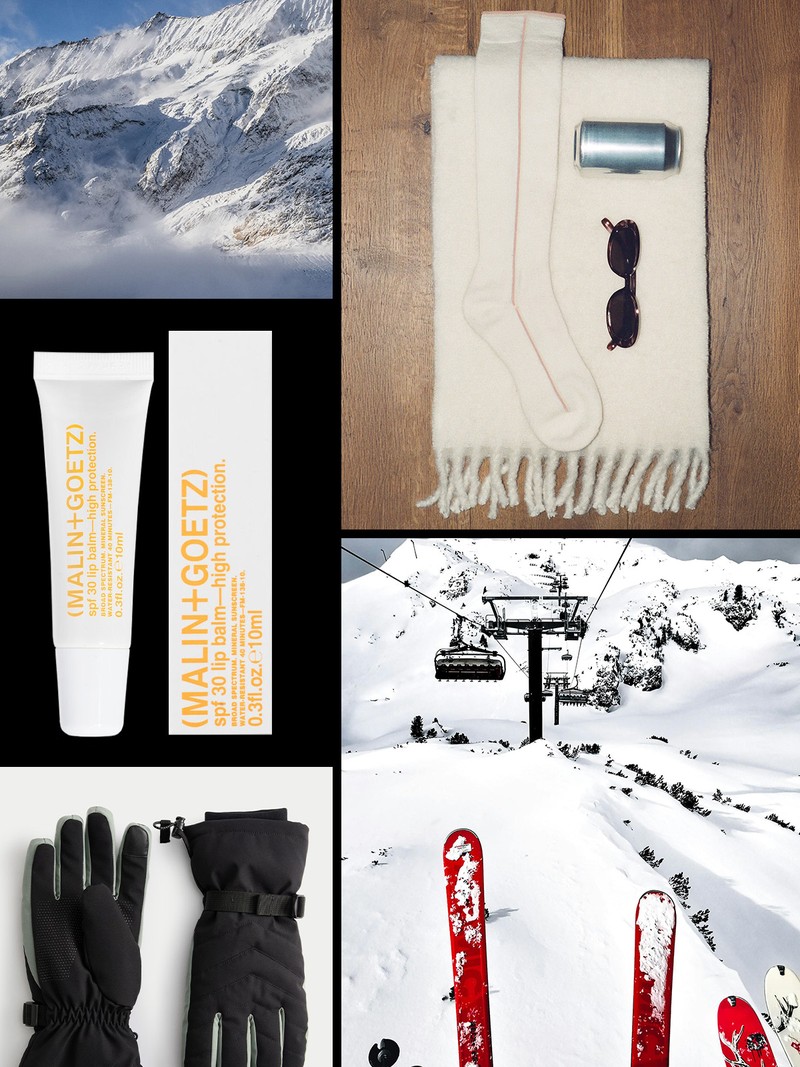
Skiing with your children is a very different experience from skiing with friends. I’ve just returned from my first trip with my son Otis, now seven, and it felt like a genuine full‑circle moment. I've been skiing for around 35 years. As an adult, my experience of the Alps has been defined by lots of mileage, long lunches, late afternoons, plenty of beers, and very few worries. Skiing with a child shifts your priorities completely. Planning matters, and how the days feel matters more than how much you ski.
The trip took more thought than I’m used to, but it paid off. Skiing with your kids, when done properly, is one of the most rewarding ways to experience the mountains. Watching my son gain confidence, sharing lifts, and skiing side by side, brought me more joy than any big mountain run ever has.
The Planning
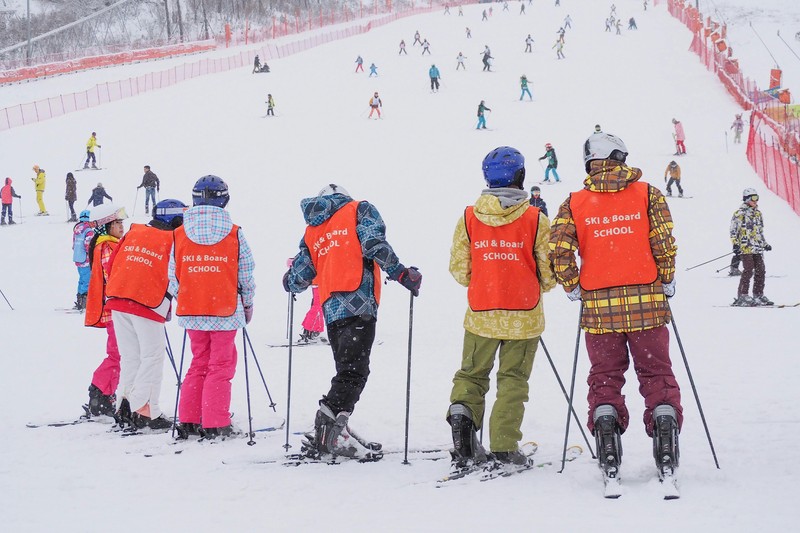
If you plan nothing else, plan ski lessons. For children, this is the single most important decision you’ll make. We used the École du Ski Français, where I also learned to ski. The consistency, structure and quality are excellent, and almost all instructors speak fluent English.
We structured the week carefully. A longer one‑to‑one lesson on the first day to build confidence, followed by group lessons for social energy and fun, then a final private session to consolidate progress. That balance worked perfectly.
If it’s your child’s first time on skis, invest in longer private lessons rather than rushing into group sessions. The nursery slope can be daunting, and early frustration is the fastest way to put a child off skiing altogether.
Ski passes are far more flexible than many people realise. Children’s passes can usually be bought on the day for €20-€30, which allows you to adapt to energy levels and weather. For adults, I tend to opt for the widest mountain pass available, so I can make the most of the time while the kids are in lessons.
The Packing
When skiing with kids, comfort equals fun. If they’re warm, dry and able to move freely, everything else becomes easier. If they’re cold, wet or uncomfortable, no view or lunch reservation will save the day. Layers always beat bulk. Rather than one heavy jacket, think multiple lighter layers that can be added or removed as the temperature changes. This avoids overheating on lifts and freezing on descents.
A simple, effective packing list includes:
• Goggles (with a spare lens if possible)
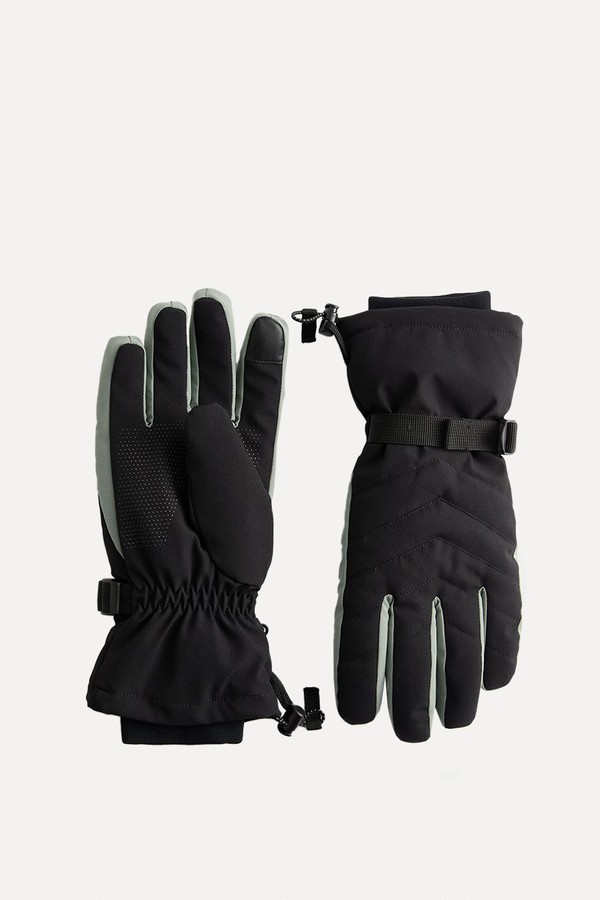
• Gloves (always bring a backup pair)
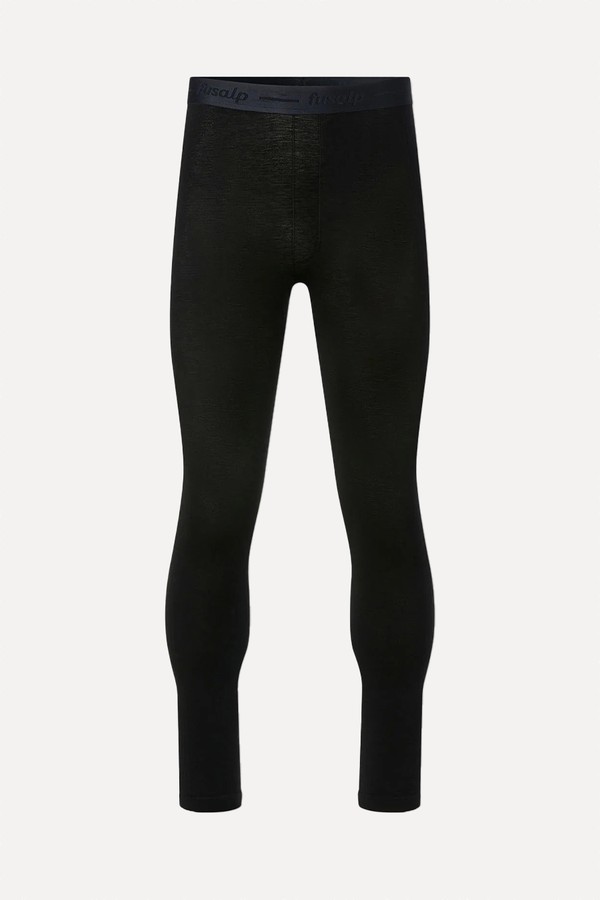
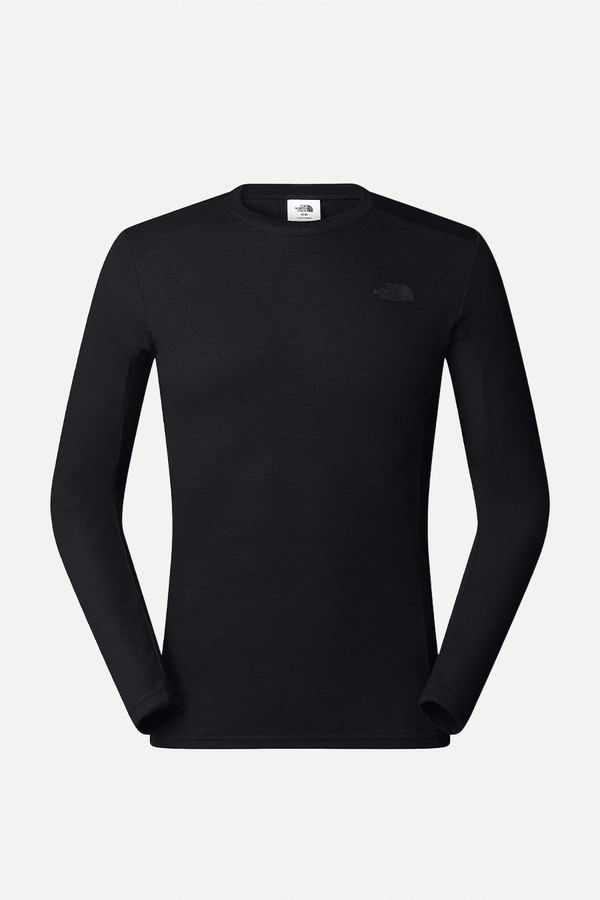
• Base layers
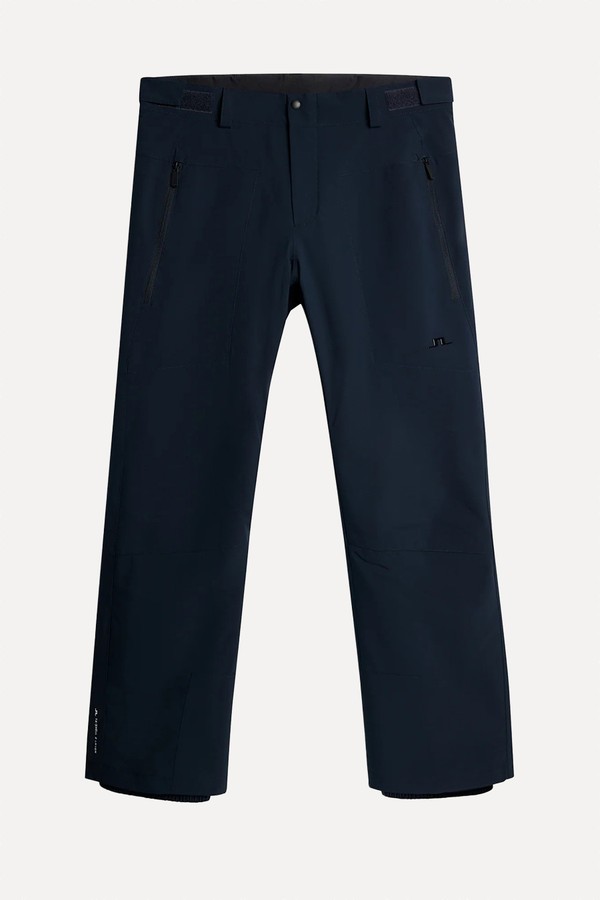
• Salopettes
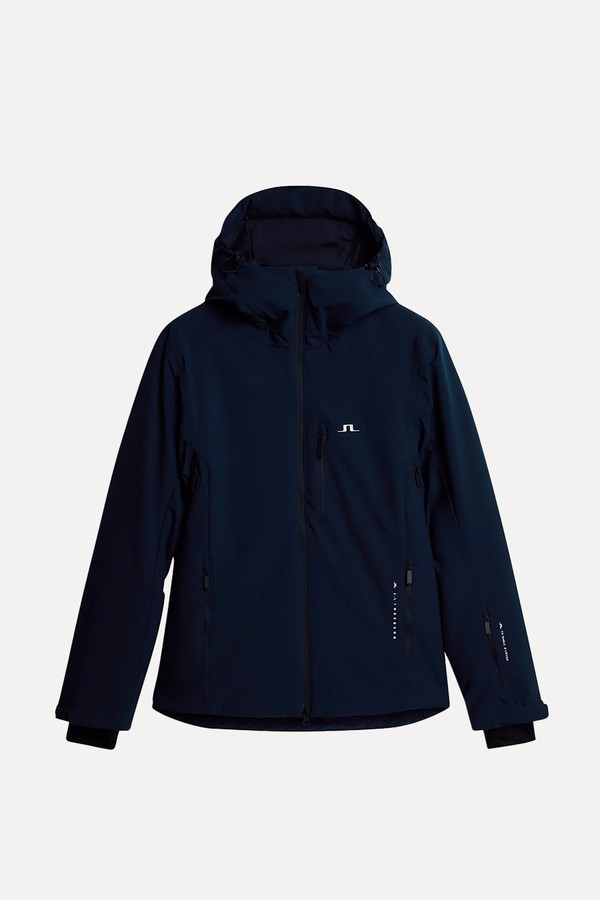
• Ski jacket
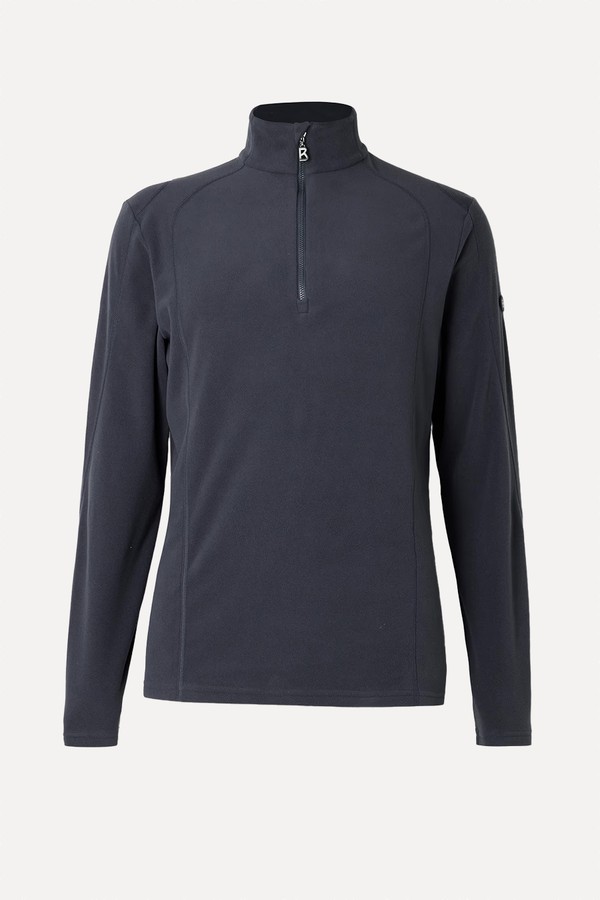
• Fleece or mid‑layer
• Snood or neck warmer
• Ski mask or balaclava
• High‑factor sunscreen and lip balm
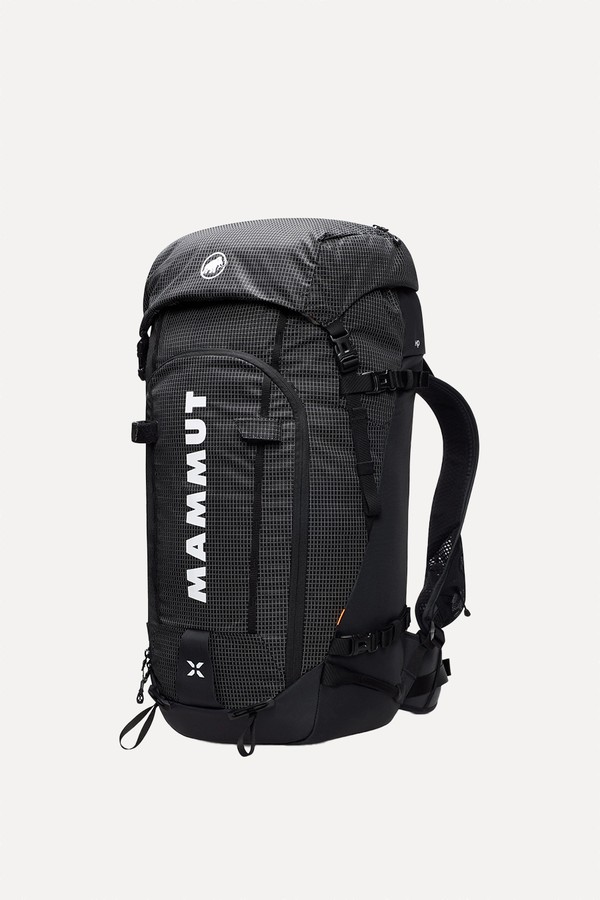
• A small backpack for snacks and water during lessons
I keep my own ski kit deliberately uncomplicated. The items worth investing properly in are jackets, trousers and gloves. These take the most wear and make the biggest difference to comfort. For kids, size up slightly so you can get another season out of the kit – ski rental and leasing programmes are also worth considering as they make upgrading year on year far more cost‑effective.
The Travel
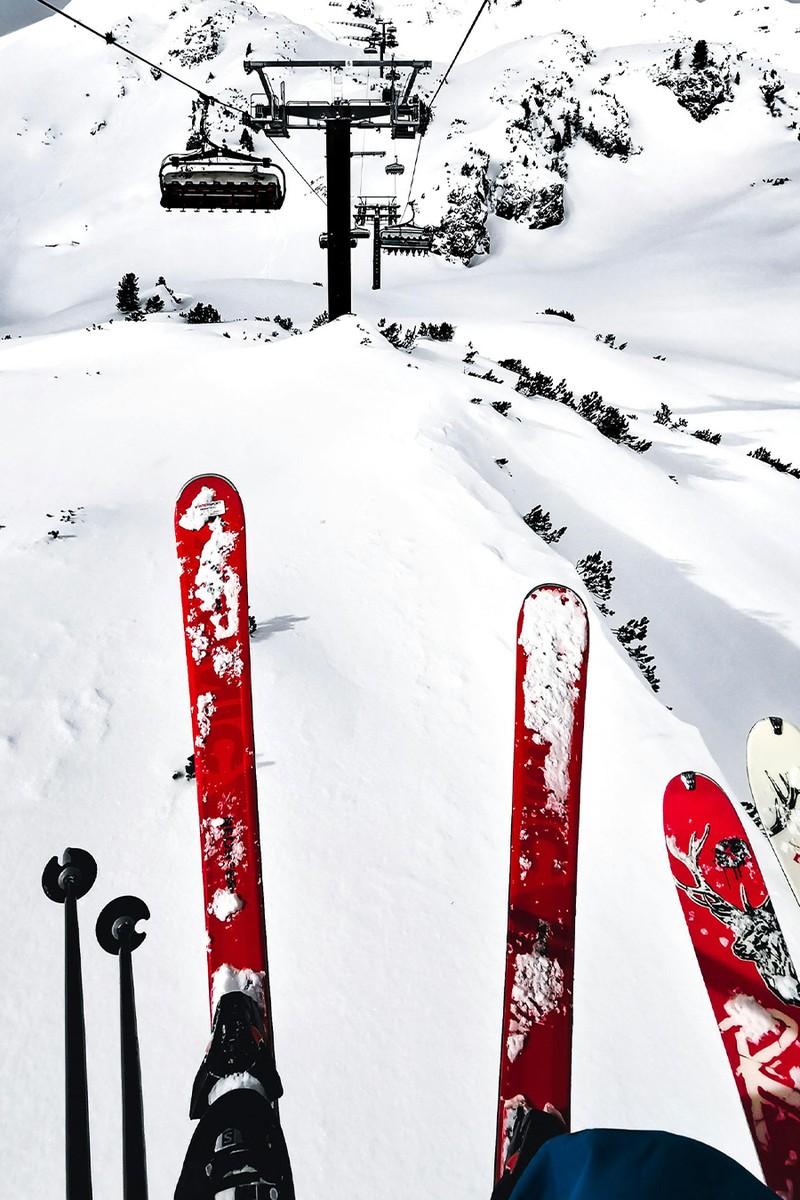
Geneva is often the most practical airport, but it comes with challenges. Flights are busy, delays are common, and transfers add time. With planning, though, it works well. Our preferred format is an early‑morning flight out on Thursday and a late‑afternoon or early‑evening return on Sunday. Depending on transfer time, this allows a ski on Thursday evening or at least time to organise hire and passes. You then have full days on Friday and Saturday, plus a final ski up until lunch on Sunday. It’s a near‑perfect long‑weekend structure.
The Destinations
Chamonix was our choice on this trip, largely due to accessibility. The transfer from Geneva is relatively short, the town is beautiful, the food is excellent, and there’s plenty to do beyond skiing. This makes a huge difference when kids reach their limit. The trade‑off is the lack of true ski‑in, ski‑out accommodation, which adds a layer of logistics.
Val Thorens offers outstanding snow reliability and true ski‑in, ski‑out convenience, as well as access to the wider Three Valleys. The drawback is the longer transfer, which can be testing with younger children.
La Clusaz remains one of my favourite family resorts. Transfers are quick, the village is charming and walkable, the skiing above the village is excellent, and there’s no shortage of ski schools and off‑slope activities for children. I’m emotionally attached as I learned to ski here as a small child, and have been on many family trips here.
/https%3A%2F%2Fslman.com%2Fsites%2Fslman%2Ffiles%2Farticles%2F2026%2F02%2Fsl-man-ski-with-kids-credit-mammut.jpg)
The Food
You can eat incredibly well in the mountains, but when you’re skiing with kids, food becomes fuel rather than indulgence. Keeping them well fed is one of the simplest ways to keep energy, mood and enjoyment high.
Big, carb-heavy lunches are your friend. Pasta, rice, potatoes, bread. This isn’t the time to worry about balance or moderation. Skiing burns through energy quickly, and a substantial lunch makes the afternoon far more enjoyable for everyone.
Snacks are non-negotiable. A small backpack filled with easy wins – bars, dried fruit, chocolate, whatever works for your child – can save a lesson, a lift ride or an entire afternoon. Hunger creeps up quickly in the cold, and once it hits, it’s often too late.
Breakfast is equally important, even if your child isn’t naturally a big breakfast eater. If they won’t sit down to a full meal, load them up with something portable. Croissants are perfect. Easy calories, easy to eat, and ideal to tuck into a pocket for later. Mornings can be long, especially with lessons, and having something on hand makes a huge difference.
Dinner takes planning. We booked our restaurant reservations early in the week, but it’s worth knowing that many mountain restaurants won’t seat before 7pm. After a full day on the slopes, that can be late for a tired child. Seek out places that offer earlier sittings or are happy to accommodate families slightly ahead of peak time.
For a few days in the mountains, all diets go out the window. Feed them well, keep it simple, and don’t overthink it. A well-fed child is a happy skier, and that, more than anything, determines how the trip feels.
The Final Tips
Pacing is everything. Adults can ski from the first lift to the last with a long lunch in between. For kids, that’s exhausting. Structure mornings and leave flexibility in the afternoons. That might mean more skiing, but just as often it means swimming, ice skating, snowball fights, or simply hanging out. Those quieter moments often become the memories that last. The last thing you want is for a child’s ski trip to feel rushed or overwhelming.
On early trips, always carry your child’s skis and boots. Removing even small points of friction makes a noticeable difference to how the day feels. Finally, accept that you’ll sacrifice your own skiing. You’ll get a few good hours in the morning while they’re in lessons. Use that time well because the afternoons will be slower and gentler, often spent on nursery slopes or chairlifts together.
SHOP THE EDIT



All products on this page have been selected by our editorial team, however we may make commission on some products.
DISCLAIMER: We endeavour to always credit the correct original source of every image we use. If you think a credit may be incorrect, please contact us at [email protected].
/https%3A%2F%2Fslman.com%2Fsites%2Fslman%2Ffiles%2Fwebsite-images%2F2026%2F10%2Fslman-full-bleed-reversed.jpg)
