
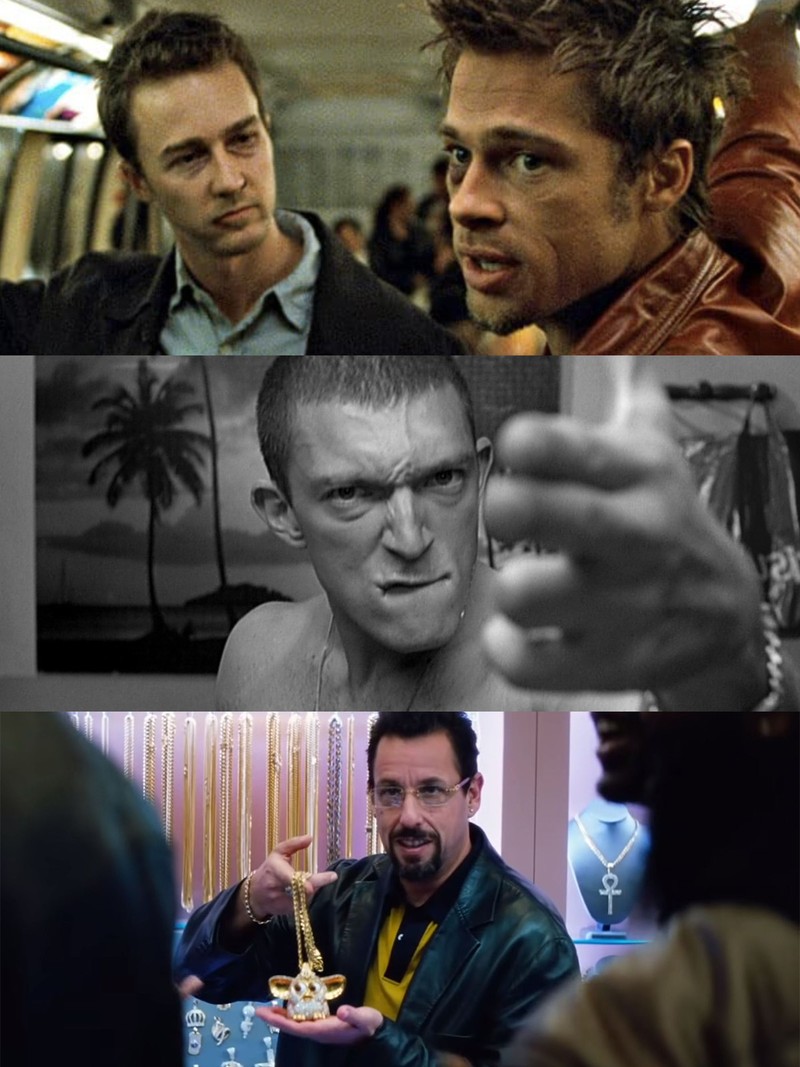
12 All-Time Great Films To Watch Now

If you liked Parasite (2019), watch Shoplifters (2018)
Oscar-winning Parasite announced Bong Joon-ho as a master of genre-switching, but what really made the film resonate was its dissection of class, inequality and family. Shoplifters approaches the same themes from a different angle – quieter, more humane, and arguably more devastating.
Directed by Hirokazu Kore-eda, the film follows a group of people living together on the fringes of Tokyo society, surviving through petty crime and mutual care. Like Parasite, it challenges the idea that morality is neatly aligned with wealth or legality. But where Bong’s film is architecturally precise and explosive, Kore-eda’s unfolds gently, allowing relationships to deepen before pulling the rug from beneath you. Replacing shock with empathy, it will stay with you.
Visit Amazon.co.uk
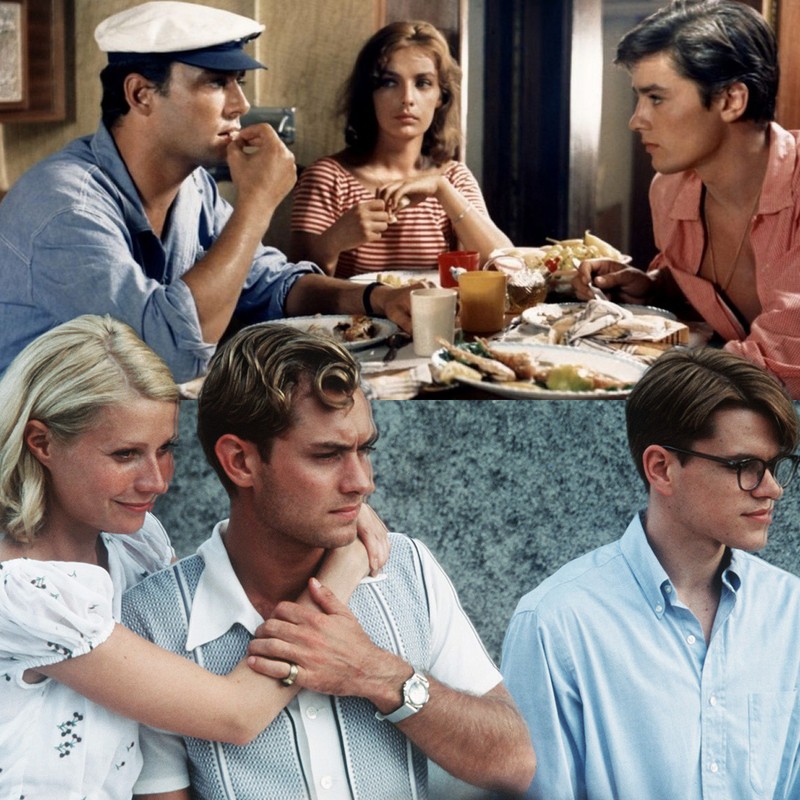
If you liked The Talented Mr Ripley (1999), watch Purple Noon (1960)
Anthony Minghella’s The Talented Mr Ripley perfected the glossy psychological thriller: beautiful locations, immaculate tailoring and a protagonist whose charm conceals something dangerous.
Based on the same Patricia Highsmith novel, René Clément’s Purple Noon stars all-time menswear great Alain Delon as a colder, more enigmatic Tom Ripley. The Mediterranean setting dazzles, but of course the beauty is deceptive – a façade for envy, obsession and moral emptiness. Unlike its modern counterpart, Purple Noon resists over-explanation, trusting stillness and silence to create unease.
For anyone who admired Ripley’s atmosphere and ambiguity, Purple Noon is a masterclass in restraint. Watching it now reveals how much contemporary cinema owes to European elegance and psychological subtlety. It’s beautifully shot too.
Visit TV.Apple.com
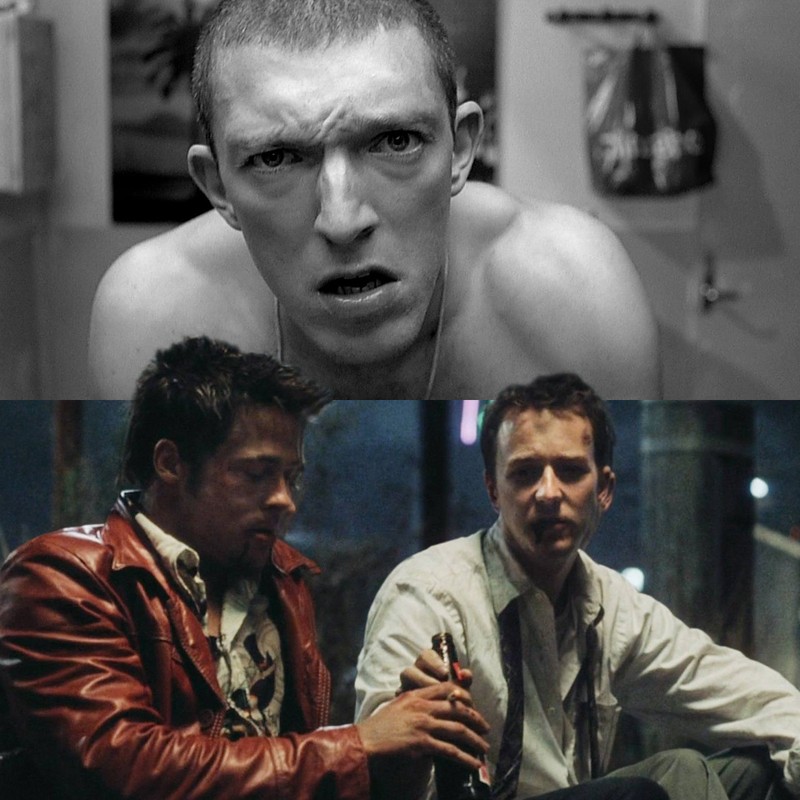
If you liked Fight Club (1999), watch La Haine (1995)
With stylised rage and dark humour, Fight Club captured late-90s male alienation to become a cultural touchstone for disaffection. La Haine explores similar anger, but strips away fantasy to confront its real-world consequences.
Set over 24 hours in the banlieues of Paris, Mathieu Kassovitz’s film examines systemic neglect, identity and violence with relentless focus. Shot in stark black and white, it forces its audience to sit with discomfort. Still devastatingly relevant, it remains one of the most powerful, urgent and clear-cut portraits of alienation ever put on screen.
Visit Amazon.co.uk
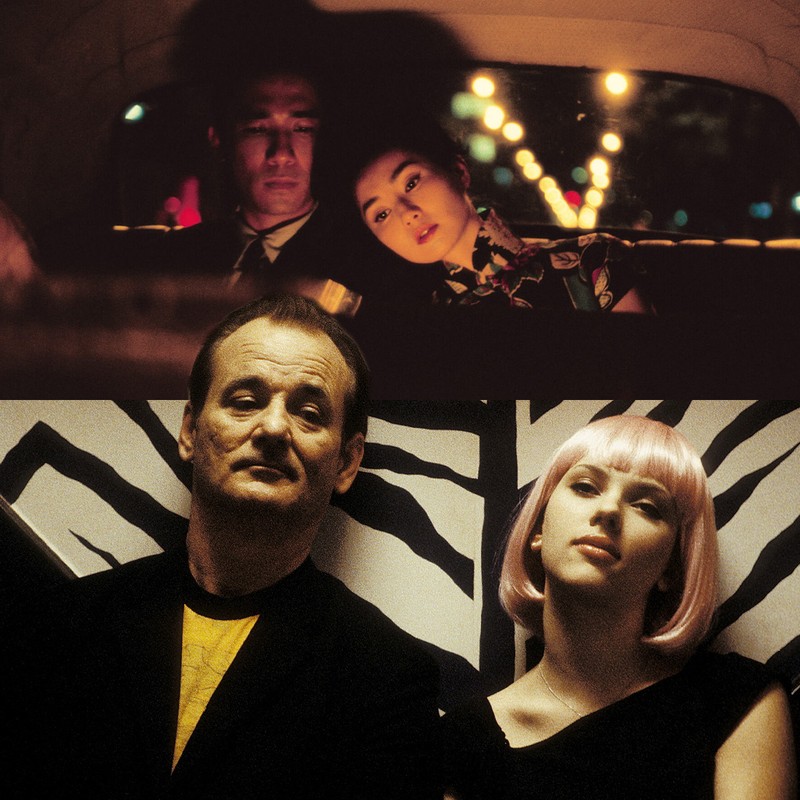
If you liked Lost in Translation (2003), watch In the Mood for Love (2000)
Lost in Translation hit a very specific emotional frequency – the intimacy of strangers, the loneliness of displacement, the romance of what’s left unsaid. Wong Kar-wai’s In the Mood for Love explores those same ideas with extraordinary precision and visual poetry.
Set in 1960s Hong Kong, the film follows two neighbours who realise their spouses are having an affair. Rather than acting on their own attraction, they circle each other cautiously, bound by social convention and personal restraint. Every glance carries weight. The lush cinematography, slow-motion sequences and recurring music transform longing into something tactile. A meditation on memory and missed chances, it’s a film that redefined how emotion could be communicated on screen.
Visit TV.Apple.com
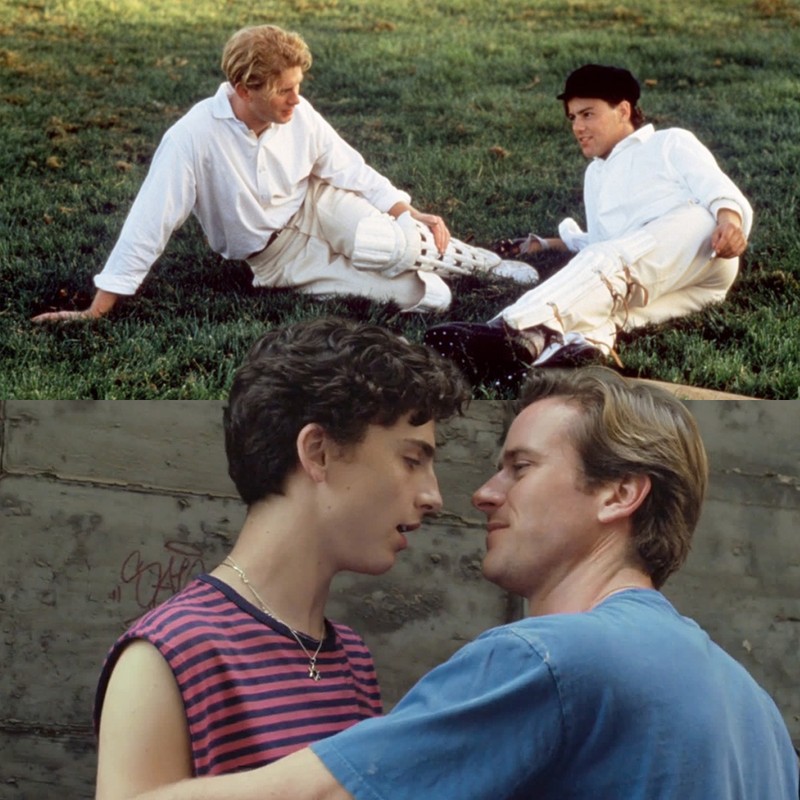
If you liked Call Me By Your Name (2017), watch Maurice (1987)
Call Me By Your Name felt revolutionary in its softness – a love story defined by touch, atmosphere and emotional openness. Maurice, adapted from EM Forster’s novel, is a deeper historical counterpart that reveals just how radical such tenderness once was.
Set in Edwardian England, starring a very fresh-faced Hugh Grant and Rupert Graves, the film explores a relationship constrained by rigid class structures and the criminalisation of homosexuality. Unlike Guadagnino’s sun-drenched Italian idyll, Maurice exists in a world of repression and consequence, where love must be negotiated in secrecy.
Visit Amazon.co.uk
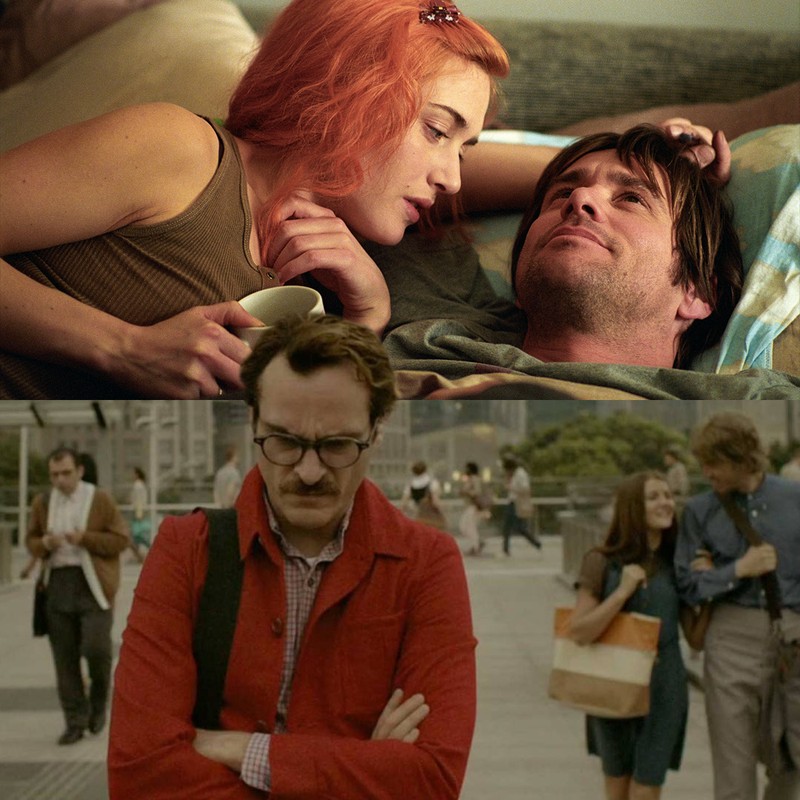
If you liked Her (2013), watch Eternal Sunshine of the Spotless Mind (2004)
Spike Jonze’s Her is often described as a sci-fi romance, but it’s actually quite sceptical about love. Beneath the soft colours and gentle humour it’s a film about emotional avoidance – about how easy it is to connect without fully exposing yourself. Eternal Sunshine of the Spotless Mind interrogates that same fear; it just looks at its aftermath rather than its outset.
Starring ‘manic pixie dream girl’ Kate Winslet and Jim Carey in a rare dramatic role, Eternal Sunshine asks what happens when intimacy leaves scars too painful to carry, exploring how grief, regret and tenderness are inseparable from love itself. If Her resonated because it felt honest about loneliness in a hyper-connected world, Eternal Sunshine takes that honesty further.
Visit Amazon.co.uk
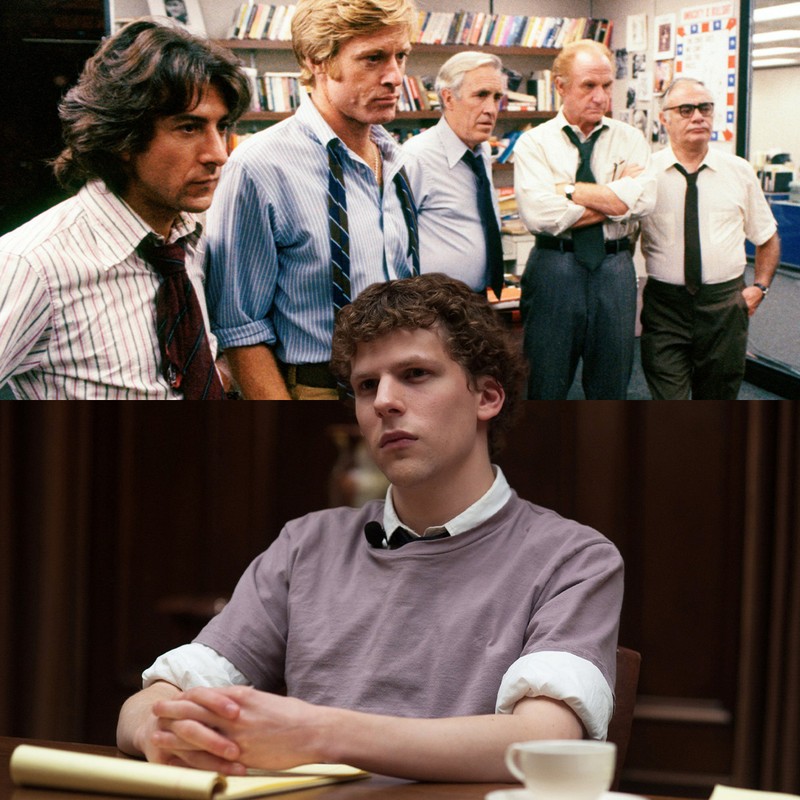
If you liked The Social Network (2010), watch All the President’s Men (1976)
Unfolding through fast, precise dialogue, The Social Network showed that conversation can be as thrilling as action. All the President’s Men is built on the same principle, long before Aaron Sorkin sharpened it for the digital age.
Chronicling the Watergate investigation, the film follows journalists Bob Woodward (Robert Redford) and Carl Bernstein (Dustin Hoffman) as they painstakingly uncover institutional corruption. If The Social Network impressed you with its procedural momentum and moral ambiguity, All the President’s Men is a masterclass in showing how intelligence, patience and precision can create edge-of-your-seat cinema without CGI, AI and blowing things up.
Visit TV.Apple.com
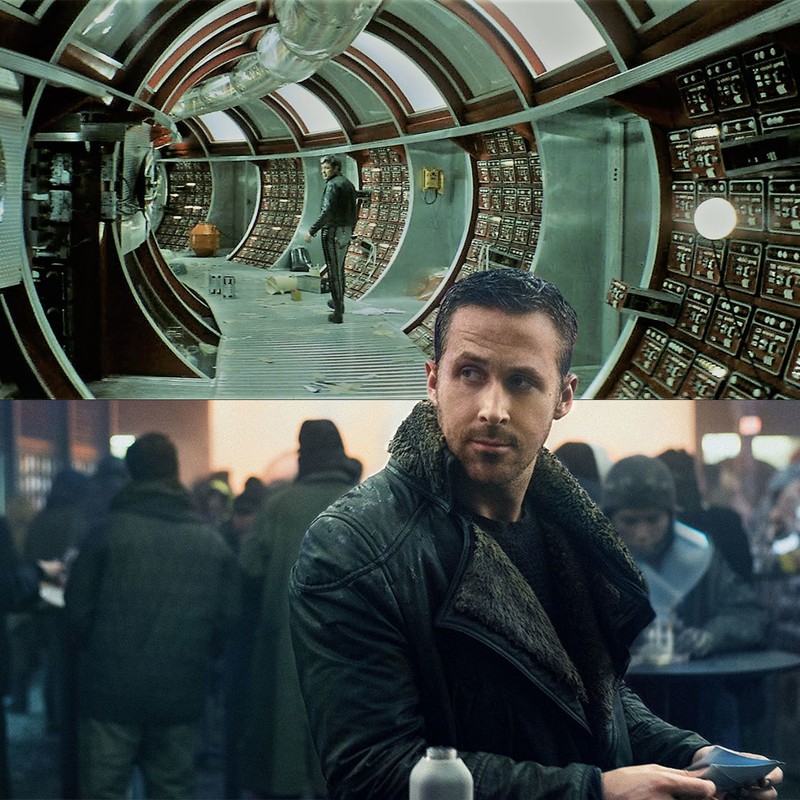
If you liked Blade Runner 2049 (2017), watch Solaris (1972)
Blade Runner 2049 expanded the original Blade Runner universe by leaning into mood and introspection, using sci-fi to ask questions about memory, identity and belonging. Andrei Tarkovsky’s Solaris does the same, just with far fewer visual comforts.
Set aboard a space station orbiting a mysterious planet, Solaris confronts its characters with physical manifestations of their guilt and grief. The future here isn’t sleek or technological; it’s heavy, slow and emotionally unresolved. Tarkovsky replaces spectacle with stillness, demanding patience in exchange for profound insight.
Visit Amazon.co.uk

If you liked Uncut Gems (2019), watch Good Time (2017)
Uncut Gems trapped audiences inside the chaos of compulsive behaviour, making anxiety its primary storytelling tool. Good Time is the Safdie brothers’ raw prototype of their later film – leaner, meaner and just as merciless.
Starring a peroxide-blonde Robert Pattinson out to prove himself as a serious actor, Good Time unfolds across one disastrous night in New York as bad decisions multiply and escape routes vanish. Handheld camerawork, harsh lighting and a propulsive electronic score create a sense of constant forward motion.
Visit Amazon.co.uk

If you liked The Favourite (2018), watch Barry Lyndon (1975)
Yorgos Lanthimos’s The Favourite reinvigorated the period drama by turning it into a vicious power game, full of cruelty, vanity and dark humour. Stanley Kubrick’s Barry Lyndon approaches similar terrain, but with glacial irony and painterly restraint.
Shot almost entirely with natural light, the film charts one man’s rise and fall through European high society. Kubrick’s detached narration constantly undercuts ambition, revealing status as fleeting and absurd. The beauty is undeniable, but never comforting.
Visit TV.Apple.com
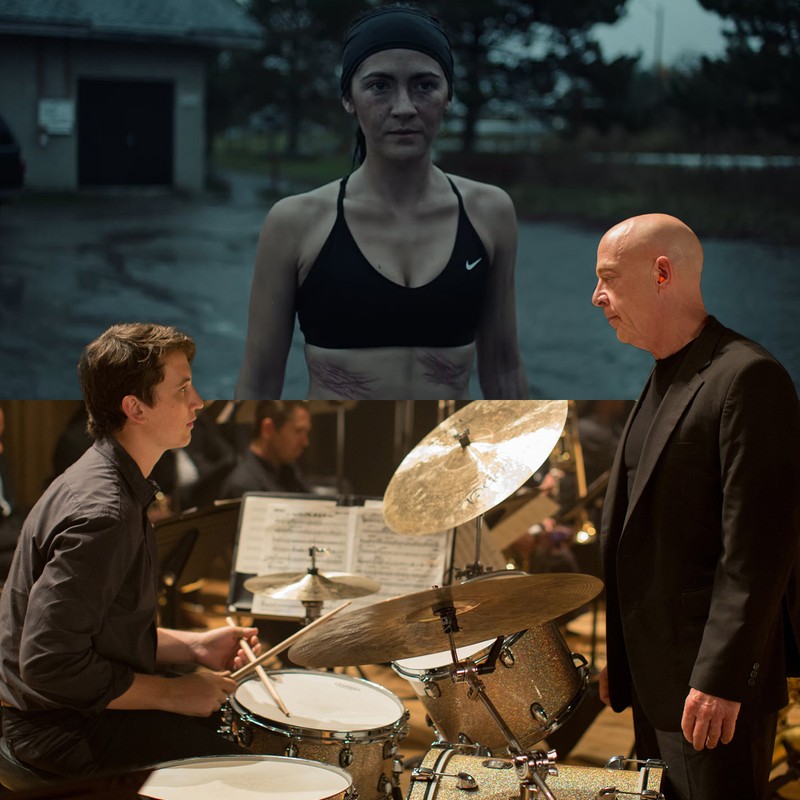
If you liked Whiplash (2014), watch The Novice (2021)
Whiplash electrified audiences by framing ambition as a kind of violence. The Novice transplants that same brutal philosophy into the world of elite collegiate rowing, with equally punishing results.
The film follows a freshman determined to earn her place on the team, pushing body and mind beyond safe limits in pursuit of validation. Like Whiplash, it’s less interested in the sport itself than in the psychology of obsession: the need to prove worth, the seduction of suffering, and the blurred line between discipline and self-destruction. If Whiplash left you wondering whether greatness is worth the cost, The Novice confirms it’s an open question.
Visit TV.Apple.com
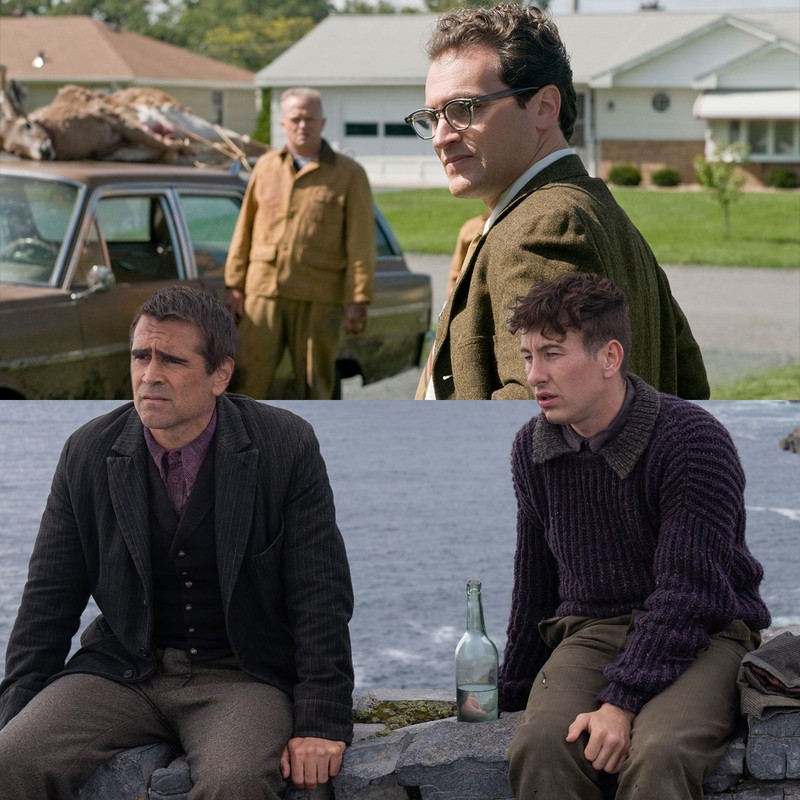
If you liked The Banshees of Inisherin (2022), watch A Serious Man (2009)
The Banshees of Inisherin uses deadpan humour and escalating absurdity to explore something deeply painful: what happens when connection is withdrawn without explanation. Martin McDonagh’s island fable frames rejection as a kind of existential violence, where politeness gives way to cruelty and meaning begins to erode.
The Coen brothers’ A Serious Man operates in a strikingly similar register. Set in a placid Midwestern suburb, it follows a man whose life begins to unravel for reasons he can’t understand or control. Like McDonagh, the Coens mine comedy from discomfort, using repetition, silence and circular conversations to highlight the futility of seeking clear answers.
Visit TV.Apple.com
DISCLAIMER: We endeavour to always credit the correct original source of every image we use. If you think a credit may be incorrect, please contact us at [email protected].
/https%3A%2F%2Fslman.com%2Fsites%2Fslman%2Ffiles%2Fwebsite-images%2F2026%2F10%2Fslman-full-bleed-reversed.jpg)
