
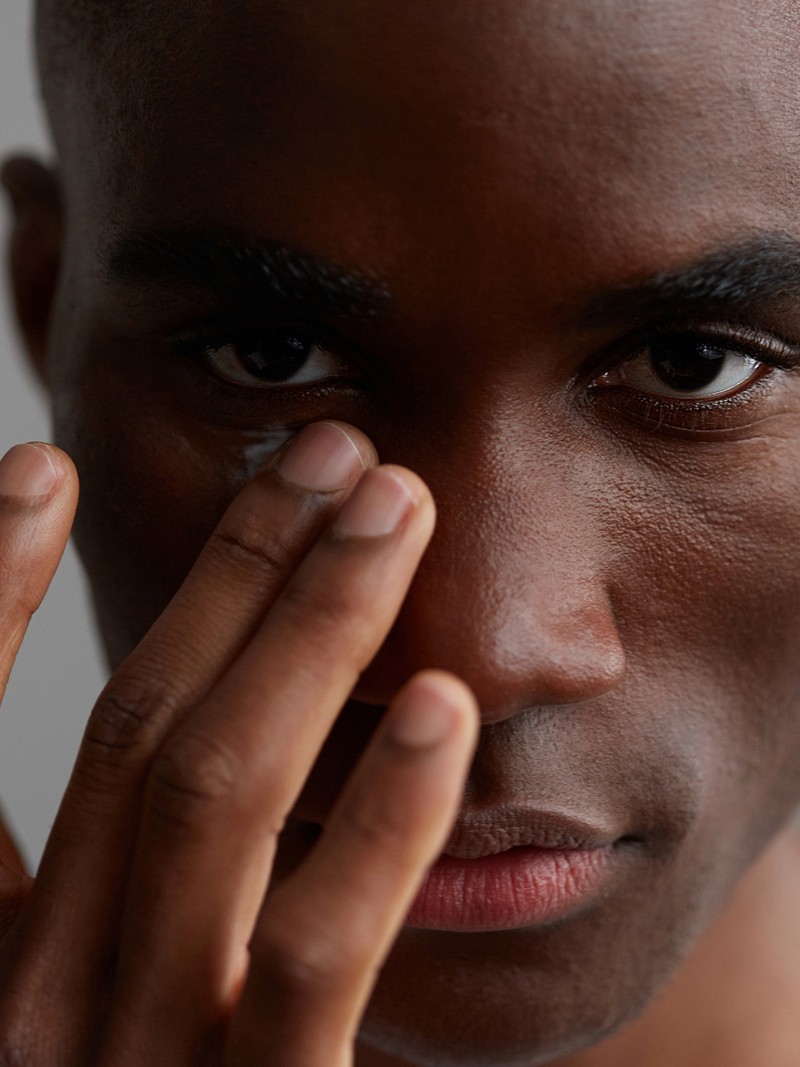
How To Deal With Dark Circles
The Causes
If you think you’re looking more tired than usual, you’re not alone. Dark circles – identifiable as discolouration under the eye area – are very common and rarely have a single cause, according to consultant dermatologist Dr Derrick Phillips. If yours present as blue, purple or reddish tones, they could be caused by blood vessels peeking through thin skin. “Around the eyes, the skin is naturally much thinner than elsewhere on the face, meaning underlying blood vessels are more easily visible,” Derrick explains. “Fatigue and lack of sleep can make this more noticeable by causing the skin to appear dull or pale, allowing underlying vessels to stand out further. Fluid retention in the lower eyelids can also contribute, leading to puffiness that casts shadows and makes the area appear darker.”
Pigmentation, which often appears brownish, is another common culprit. This form of dark circles may “develop over time due to chronic rubbing, allergies, eczema or sun exposure,” but genetics also play a part. If you have darker skin, yours may appear more noticeable.
Finally, facial structure can be a contributing factor. “Volume loss in the tear trough, or increased prominence of the muscle around the eye, can create hollowing and shadowing,” according to Derrick. “This is often perceived as a dark circle even when the skin colour itself hasn’t changed. If the darkness appears worse in certain lighting or improves when the skin is gently stretched, it’s likely connected to shadowing.”
The At-Home Solutions: Lifestyle Tweaks
Maximise Your Sleep
“Sleep is the most important factor. Poor or inconsistent sleep can make the skin look dull, allow underlying blood vessels to appear more prominent, and increase fluid retention around the eyes. Prioritising good-quality, regular sleep supports overall skin health and can soften the appearance of dark circles.” – Derrick
Reduce Stress Levels
“Chronic stress can impair the skin barrier, increasing sensitivity, inflammation and transepidermal water loss. Around the eyes, this can worsen dryness, irritation and pigmentation, particularly if rubbing becomes a habit.” – Derrick
Fine-Tune Your Diet
“My best tip is to reduce high sugar and alcohol intake as this can lead to glycation. Glycation is where sugar molecules attach to collagen, causing it to stiffen and break. This then causes the under-eye skin to thin, which makes it more prone to sagging.” – Daniel Isaacs, co-founder & chief product officer at Medik8
Effective Ingredients
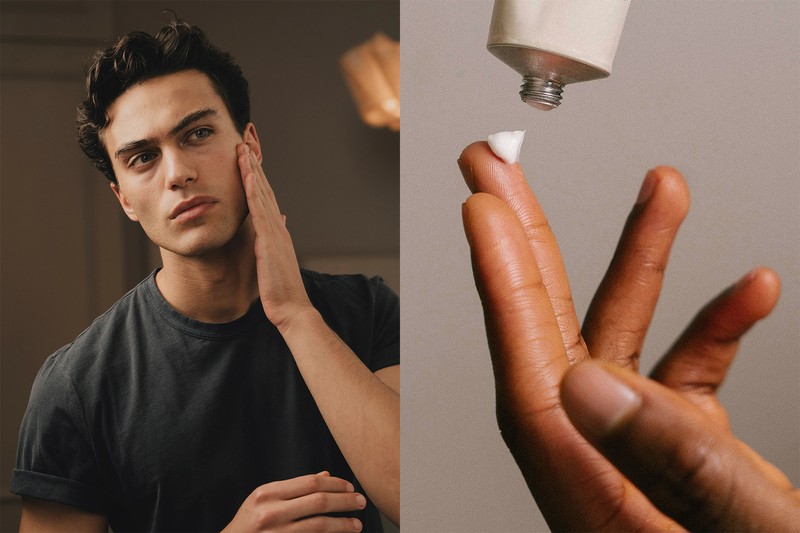
It’s important to manage your expectations with results. Topical eye products won’t completely get rid of dark circles, but can significantly improve their appearance. “In terms of results, hydrating products can improve how the skin looks almost immediately, whereas ingredients such as vitamin C, retinoids and pigment-targeting actives like thiamidol require consistent use over time (between eight and 12 weeks – to see a visible improvement,” says Derrick. “The key is choosing the right ingredients for the underlying cause, and using them consistently rather than expecting a quick fix.”
SPF
"Sun protection is key, especially where pigmentation plays a role. The under-eye area is often missed when applying SPF, but UV exposure can worsen dark circles over time. A high-factor SPF used daily, all year round, is essential.” – Derrick
Vitamin A
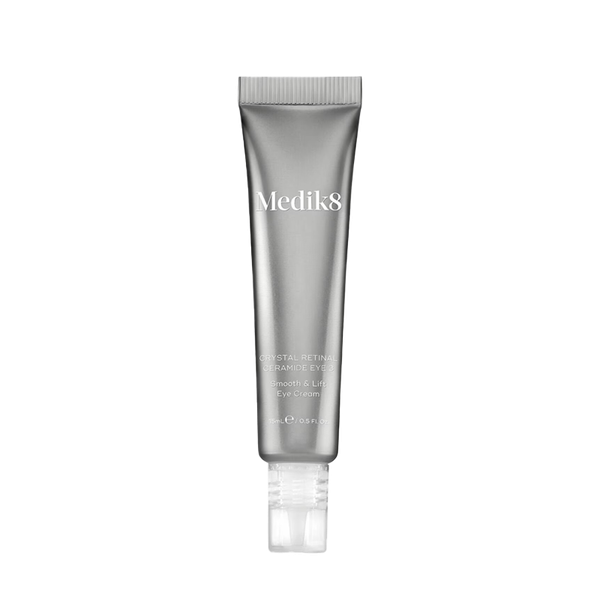
“Vitamin A delivers powerful results without irritating the delicate eye area. It effectively targets the appearance of fine lines and wrinkles, discolouration, uneven skin texture and loss of firmness. To avoid irritation you need to introduce actives slowly, starting with twice a week for two weeks, then upping the frequency to every other night. In the evening, you could try our Crystal Retinal Ceramide Eye, which contains retinaldehyde to thicken the skin and ceramides to support the barrier.” – Daniel
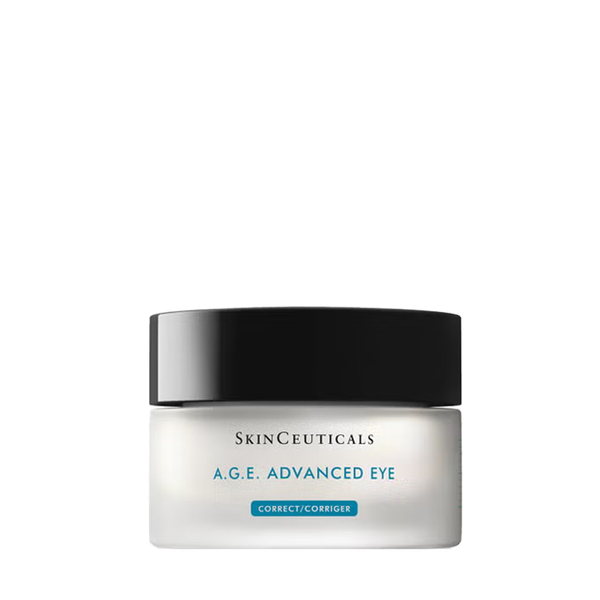
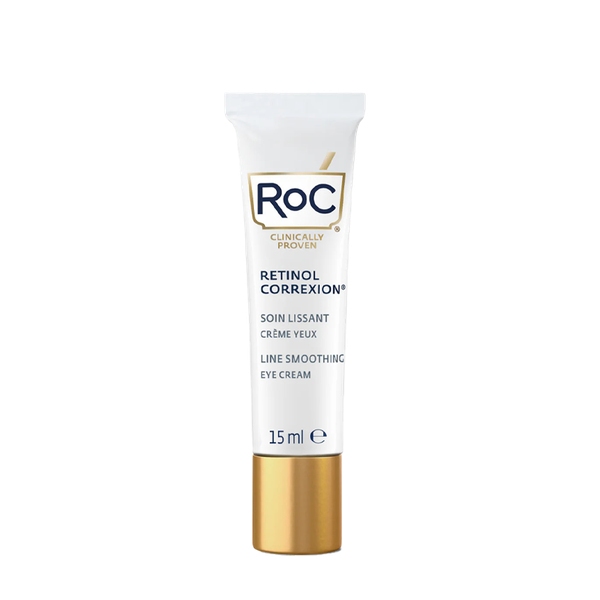
“A couple of products I often recommend in my clinic are the RoC Retinol Correxion Eye Cream, which delivers retinol in a way that’s well tolerated around the eyes and helps to smooth fine lines and wrinkles; and the SkinCeuticals A.G.E. Eye Complex, which not only addresses crepiness and deeper signs of ageing, but also hydrates and improves firmness and elasticity.” – Derrick
Vitamin C
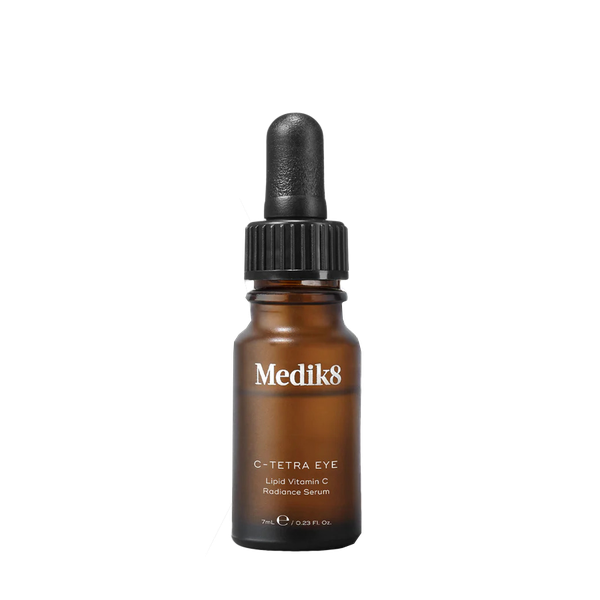
“A gentle vitamin C will offer both antioxidant and brightening benefits. Our C-Tetra Eye is a lipid-stable antioxidant serum which works to prevent pigmentation and brighten existing dark spots.” – Daniel
Niacinamide
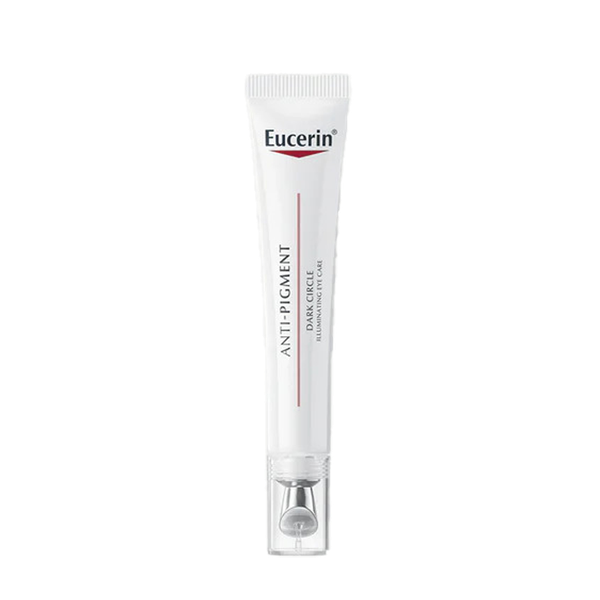
“Other brightening ingredients such as niacinamide can help reduce uneven tone over time. Another effective option is thiamidol which works by inhibiting tyrosinase, a key enzyme involved in pigment production. A product I recommend often is Eucerin Anti-Pigment Dark Circle Illuminating Eye Care Cream – it’s great for brightening and tackling pigmentation-related dark circles.” – Derrick
Caffeine
“If dark circles are more vascular in nature, caffeine can be helpful. It temporarily reduces puffiness and can make underlying vessels appear less prominent, which can improve the overall look of the area.” – Derrick
Hyaluronic Acid & Glycerin
“Drinking enough water supports general skin health, but topical hydration is more impactful for the under-eye area. While hydrating ingredients such as hyaluronic acid and glycerin won’t treat the cause of dark circles, they help the under-eye area look smoother and plumper, which can soften the appearance of darkness and fine lines.” – Derrick
The Treatments
Not all dark circles are the same, which is why a one-size-fits-all approach rarely works. “If it’s shadowing from hollowing, that’s a structural issue,” explains Dr Richard Devine, aesthetic doctor and founder of Devine Clinic. “This will only improve by reducing the hollowing with filler to project the tissue and soften the groove. For pigmentation, gentle lasers tend to give the best results. The skin here is extremely delicate, so treatment should be performed in carefully controlled settings by an experienced practitioner. Results are gradual rather than instant, usually requiring multiple sessions, alongside diligent sun protection to help prevent pigmentation from returning.”
Another option is bio-stimulatory injectables, such as polynucleotides. “This treatment is excellent for improving skin quality, thickness and brightness over time, and is ideal for patients wanting subtle, regenerative results. For the most natural outcome, a combination approach including in-clinic treatments and tailored skincare products will work best,” advises Dr Hayder Ria, aesthetic doctor and founder of Harley Street Dermal. If volume loss is your main concern, know that it’s not always the tear trough itself that needs treatment. “In many cases, supporting areas such as the mid-cheek need to be addressed first to create lift and improve the appearance of the under-eye naturally. The ideal candidate is someone with true hollowing rather than puffiness, good skin quality, and anatomy that suits subtle structural support. Results should look rested and refreshed, not filled. How long it lasts varies, but typically sits between nine and 18 months.”
SHOP THE EDIT


All products on this page have been selected by our editorial team, however we may make commission on some products.
DISCLAIMER: We endeavour to always credit the correct original source of every image we use. If you think a credit may be incorrect, please contact us at [email protected].
/https%3A%2F%2Fslman.com%2Fsites%2Fslman%2Ffiles%2Fwebsite-images%2F2026%2F10%2Fslman-full-bleed-reversed.jpg)
