
The Grooming Resolutions Worth Keeping in 2026
If Your Scalp Is Itchy & Irritated… Switch To Gentle, Calming Formulas
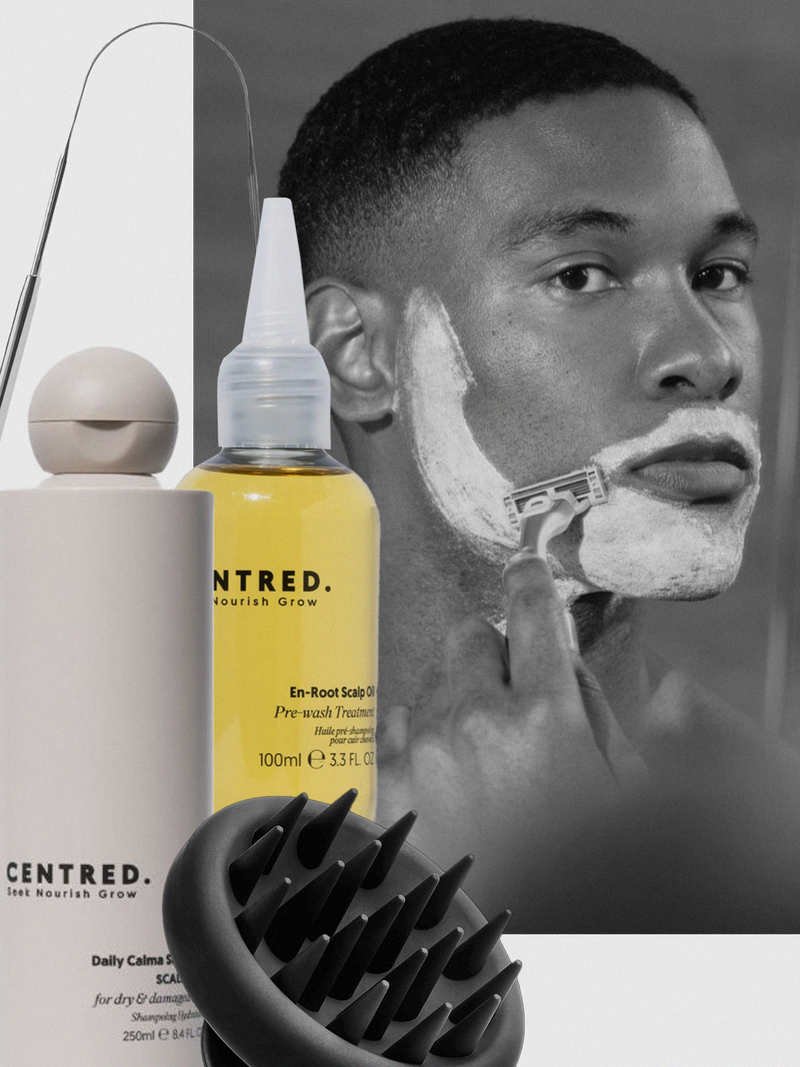
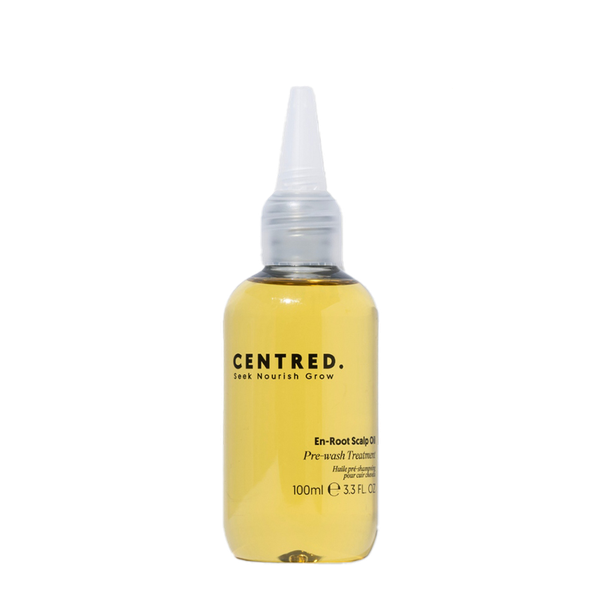
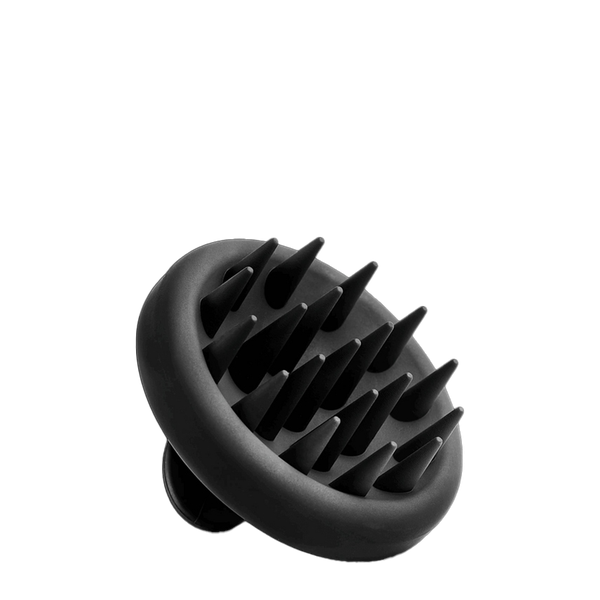
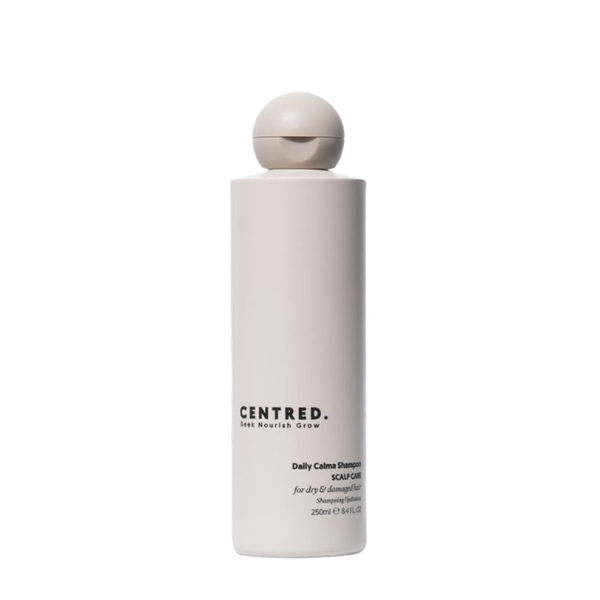
It may not be top of your priority list, but taking proper care of your scalp pays dividends when it comes to healthier-looking hair. “The scalp is living skin, and it’s the foundation your hair grows from,” explains Kieran Tudor, hair stylist and founder of Centred. “If it’s congested, inflamed or out of balance, hair can’t thrive. Think of it as caring for the soil rather than just the plant.” A regular routine helps keep follicles clear, supports blood flow and maintains a healthy skin barrier, which creates optimal conditions for stronger, shinier hair. If your scalp is itchy or inflamed, Kieran recommends a less-is-more approach. “Avoid harsh clarifying shampoos or scrubs and go for a gentle, sulphate-free formula like our Daily Calma, which is designed to calm sensitivity without stripping the skin. Our lightweight oil can also be effective at soothing inflammation and gently exfoliating. For removing flakes, I love using a soft massage brush to gently clear the scalp and encourage circulation without irritation. Done consistently, these small steps can restore comfort and balance.”
If You’re Noticing Fine Lines & Dark Spots… Start Wearing SPF Every Day
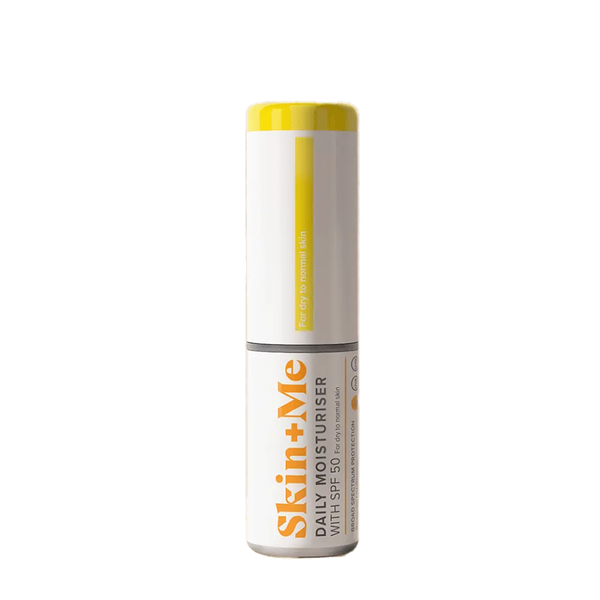
Come rain or shine, experts recommend wearing sunscreen daily. Not only is it essential for preventing sunburn and skin cancer, it also protects against the UV rays that accelerate the skin’s ageing process. “While clouds reduce visible sunlight, they do not reliably block ultraviolet radiation,” says Dr Jason Thomson, consultant dermatologist & head of medical at Skin + Me. “Thin or scattered cloud may let through most UVB, which causes sunburn and contributes to skin cancer. UVA, which penetrates more deeply into the skin and drives photoageing and also contributes to skin cancer, is minimally affected by cloud. In some conditions, cloud edges can even intensify UV exposure through reflection and scattering. Levels of both UVA and UVB are highest during the spring and summer months in the UK, but daily use of broad-spectrum sunscreen is important, even on cloudy days."
If You’re Experiencing Halitosis…Try Tongue Scraping
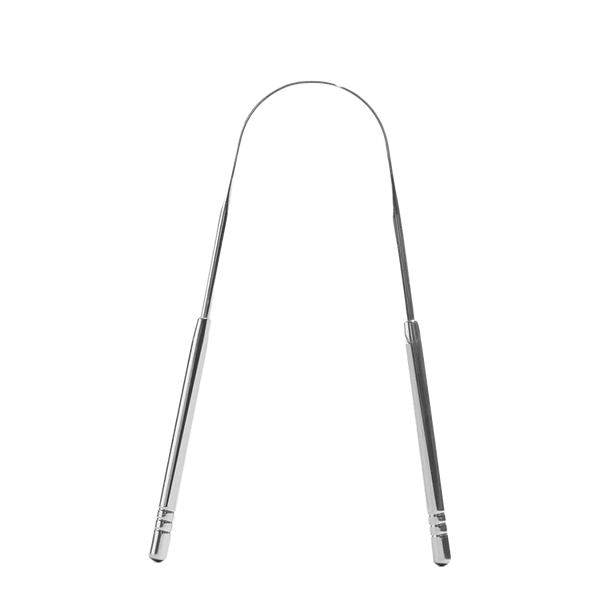
Brushing twice a day is a vital part of oral hygiene, but it focuses primarily on the teeth and along the gumline. It doesn’t address the tongue, which can become a hotbed of bacteria, resulting in bad breath. “The mouth is a complex ecosystem, and bacteria don’t just live on teeth – they also accumulate on the tongue’s surface along with food particles and dead cells,” explains Dr Reena Wadia, gum specialist & founder of RW Perio. “These bacteria can break down proteins and release sulphur compounds, leading to bad breath. Tongue scraping involves gently removing the bacterial coating from the surface of the tongue using a dedicated tool. When done consistently, it supports fresher breath, improves taste perception, and reduces the bacterial load in the mouth. Tongue scraping should be done once a day, ideally in the morning as part of your routine. Using gentle pressure, place the scraper towards the back of the tongue and draw it forwards to the tip. Rinse the scraper after each pass and repeat two to three times. There’s no need to apply force – a light, steady motion is all that’s needed. Follow with brushing and interdental brushes or flossing to finish.”
If Your Skin Looks Dull & Tired… Get Exfoliating
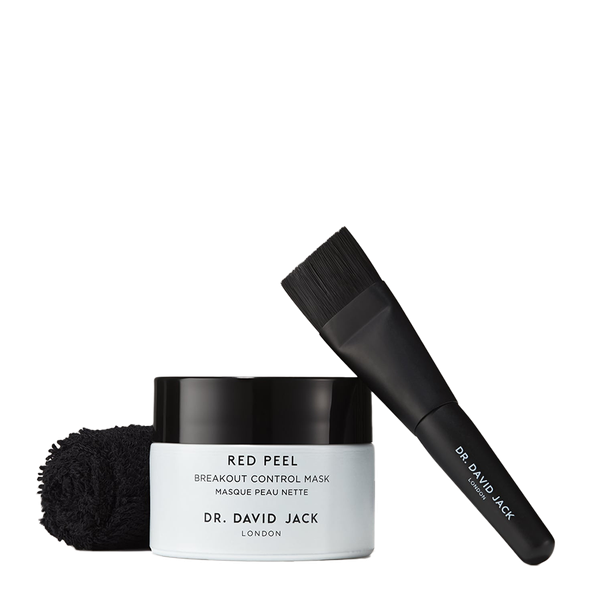
Over time, dead skin cells build up on the skin’s surface, resulting in dullness. “Exfoliation removes this layer, allowing newer, healthier cells to come through, and restoring the natural brightness we associate with well-rested skin,” explains aesthetics specialist Dr David Jack. “Chemical exfoliants including alpha hydroxy acids – like glycolic, lactic or mandelic acid – or beta hydroxy acids (such as salicylic acid) are preferable to harsh physical scrubs, as they dissolve bonds between dead cells rather than abrading the surface. Using something like my Red Peel once or twice a week, which contains both AHAs and BHAs, can make a dramatic difference to the skin’s tone and texture.”
If You’re After A Cleaner Shave… Change Your Razor Head More Regularly
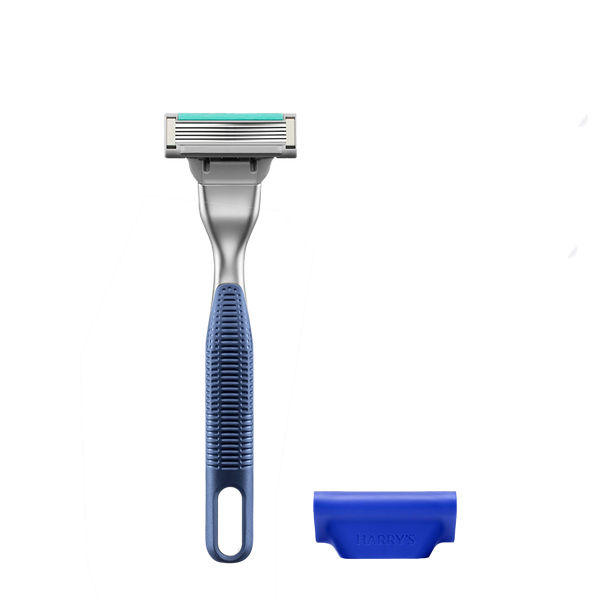
Changing your razor head regularly is one of the easiest ways to get a better quality shave and keep your skin happy, according to Olly Walker, resident grooming expert at Harry’s. “The lifespan of a blade can vary based on your hair type, how often you shave, and how you care for your blades. But on average, most people tend to change their blade every six to eight shaves, or as soon as it starts to feel dull or tug at the skin. As blades dull, they’re more likely to tug at hair rather than cut it cleanly, which can lead to irritation, razor burn and a higher risk of nicks and cuts. Old blades can also harbour bacteria, especially when they’re used repeatedly in damp environments, increasing the chance of breakouts or infection.” For the smoothest, most comfortable results, Olly recommends paying attention to your preparation and technique as much as the blade itself. “Start with warm water to soften the hair. Use a gentle cleanser and a good shave cream, and shave with light strokes in the direction of hair growth. Rinse your razor frequently, then finish with a cool rinse and moisturiser to calm the skin. A fresh, sharp blade paired with the right prep delivers a closer, cleaner shave with less irritation and better results overall.”
If You’re Concerned About Hair Loss… Tackle It With Expert Help
Hair loss is a very common concern that’s tricky to treat without professional, personalised support because there are so many different potential causes. According to trichologist Ricardo Vila Nova, the best way to address it is to pinpoint the root cause and go from there. “Seeking help from a reputable expert will guarantee you have an accurate evaluation of the type of hair fall you’re having,” he explains. “Androgenetic reduction is one of the biggest causes of hair fall, but it’s very hard to identify at an early stage. Sometimes effluvium shedding can be mistaken for androgenetic reduction, and this is the main reason why it’s crucial to find expert advice.” Effluvium shedding is the result of immune deficiencies, medication or emotional stress, while androgenetic reduction is what’s better known as male pattern hair loss. According to Ricardo, “No treatment will stop that genetic tendency for reduction, but there are some designed to preserve and prevent it.”
SHOP THE EDIT
All products on this page have been selected by our editorial team, however we may make commission on some products.
DISCLAIMER: We endeavour to always credit the correct original source of every image we use. If you think a credit may be incorrect, please contact us at [email protected].
/https%3A%2F%2Fslman.com%2Fsites%2Fslman%2Ffiles%2Fwebsite-images%2F2026%2F10%2Fslman-full-bleed-reversed.jpg)
