
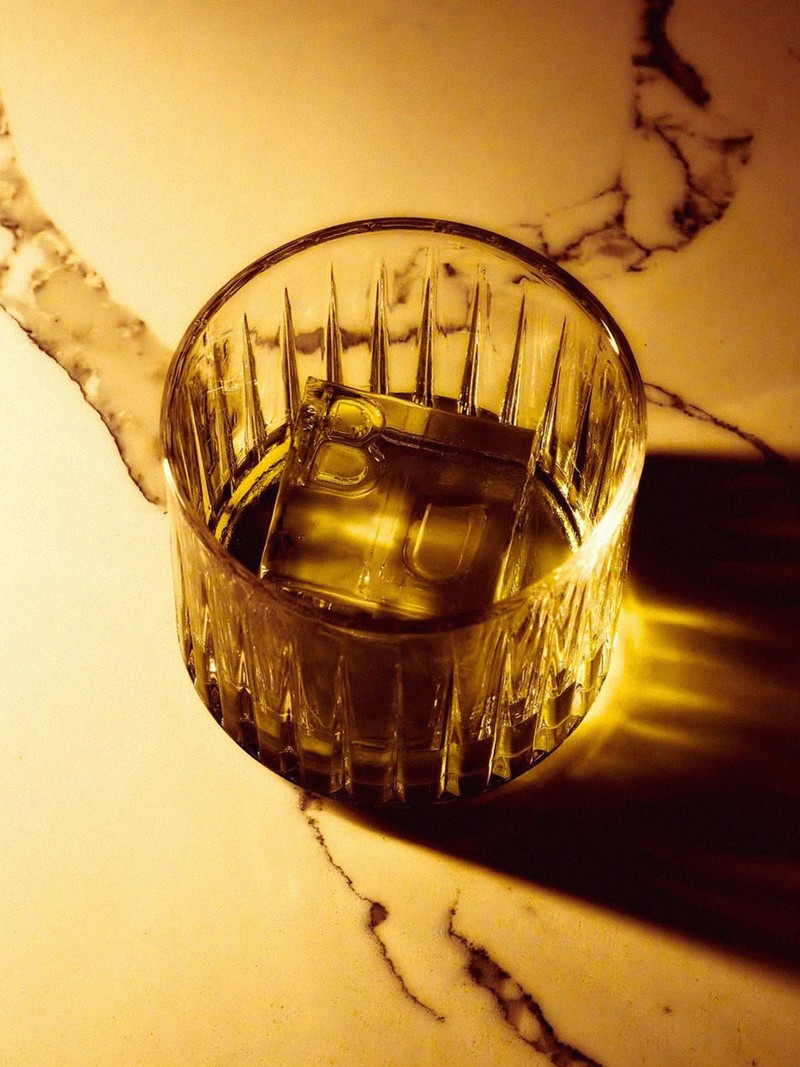
Digestifs: The Finishing Touch Every Good Meal Deserves
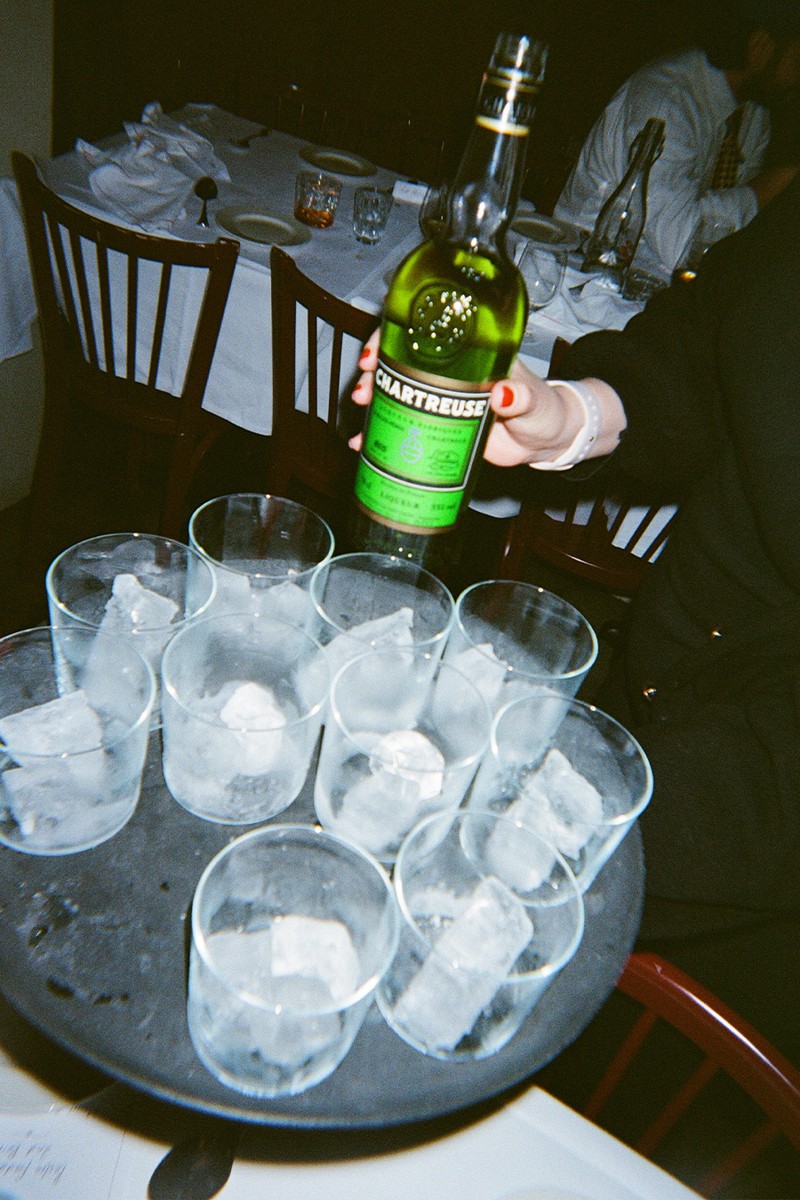
The food’s been finished, the plates cleared, but nobody's quite ready to move. Then someone produces a bottle and the mood changes. “You just feel this energy shifting to something kind of giddy,” says Dom Hamdy, London restaurateur and Chartreuse connoisseur.
The man behind Shoreditch’s Bistro Freddie has a history with digestifs, and with Chartreuse in particular. “Dad had this obsession with it to the point that we actually went out to the monastery in France where it’s made. We had all the different strengths at home in the freezer: green Chartreuse, yellow, and this small bottle in a wooden case – the Elixir Végétal. It was something like 70% and you just put it in tea before bed.”
Find yourself at one of Dom’s parties now and, like his dad before him, he’s going to put a bottle of Chartreuse on the table. “I feel like it’s very nostalgic and celebratory. It's impossible for your guests not to leave jolly and with a slightly sore head the next day after a glass of it.”
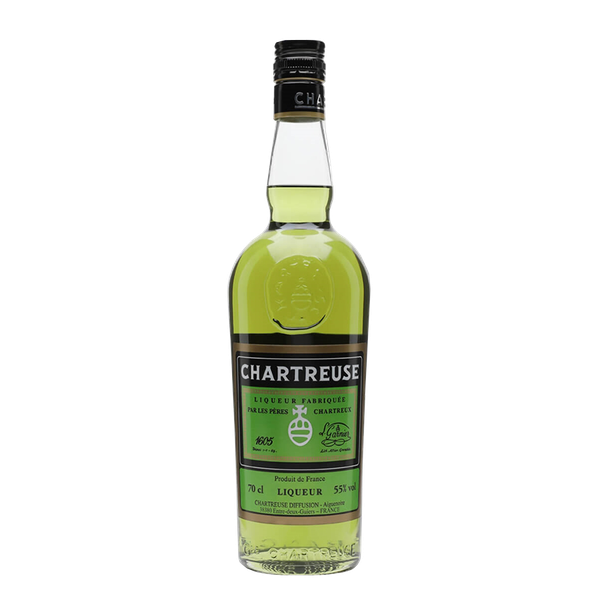
Alex Price, sommelier at Plates in Hoxton, also recognises the power of Chartreuse. “There's something quite magical about drinking a centuries-old recipe shrouded in mystery. The depth, complexity, and almost spiritual quality of the aromatics make it unlike anything else.” For Dom, “It feels like the most idiosyncratic digestif out there. It's quite a debaucherous thing, but it's made by monks. The colour is almost nuclear green, yet it’s totally natural and herbaceous.”
Chartreuse is not your only option, however. Not in a world where Italy has gifted us all amaro. "The amaro category has really grown over the last couple of years," says Bertie Morris, head bartender at Dorian in Notting Hill. It’s a broad, rich and varied category – ‘amaro’ just means ‘bitter’ – that runs from pre-dinner aperitivo staples like Campari to bracingly medicinal after-dinner options like Fernet. The negroni has opened British palates to more complex, bitter flavours, according to Bertie, though the best amaros – built from a base of neutral spirits infused with botanicals (roots, herbs, citrus peel, spices) – are usually finished with a touch of sweetness to take the edge off.
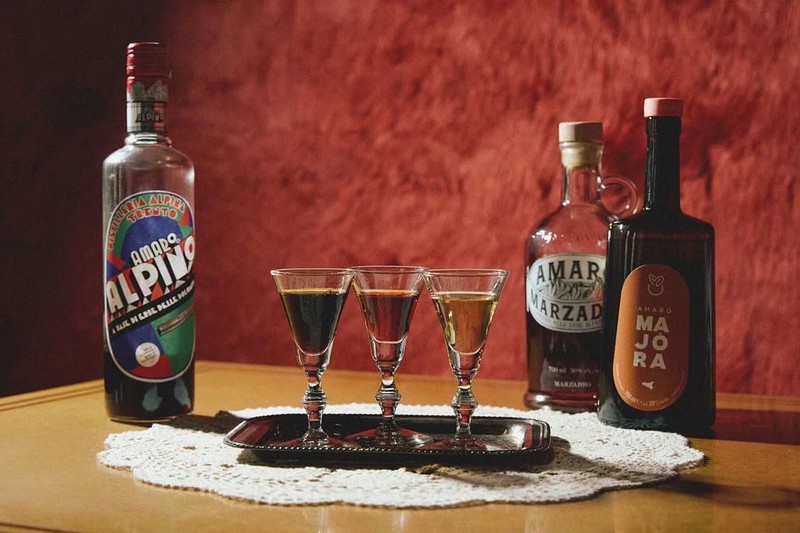
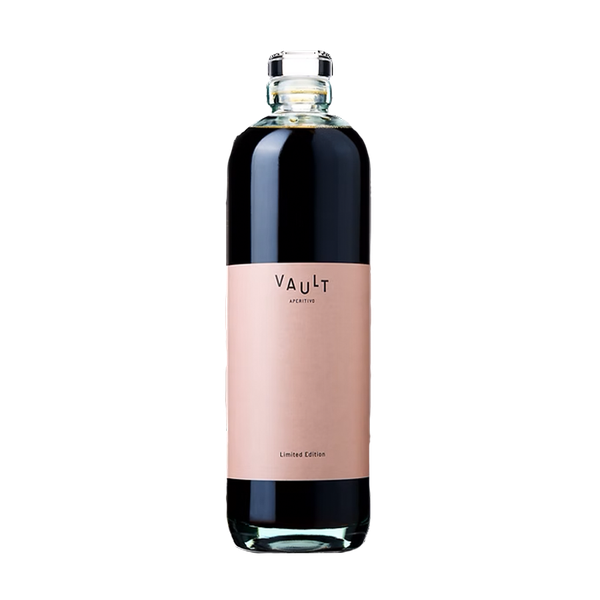
Dan Joines, founder of Essex’s own Vault Aperitivo, worked with Bertie to create Dorian’s own amaro – a golden, floral sipper at the summery outer reaches of the category. For Christmas, he’s released a bittersweet and spicy green-walnut Nocino that dovetails beautifully with blue cheese or mince pies. He’s also been working with Shoreditch’s Manteca on a house amaro inspired by Cynar – the classic Italian artichoke amaro. “Every restaurant in London has a pasta course on now, and the drinks culture is catching up.”
Whether it’s Chartreuse, amaro or something else, the appeal of a liqueur at a point in the evening that traditionally belonged to whisky, port or cognac is the same. “It comes down to intrigue and the desire to try something a bit different," says Alex. That’s why the current Plates menu puts a spotlight on the liqueurs of Laurent Cazottes, who distils them from fruit and veg grown on his organic farm in Gaillac. “People are fascinated by flavours they've never encountered before – the tomato liqueur and the green walnut one always spark conversation.”
As well as flavour, these are drinks that might have function on their side too. Classic digestifs like Chartreuse were originally presented as medicinal. The science of today may or may not support such claims, but Dom’s a believer: "If you've got a belly full of pork chop or you've had a tray of chips and mayonnaise or you've ended up with sticky toffee pudding, and you get something incredibly high-proof and herbaceous, it’s just going to cut through all of that. I think there are definitely digestive properties.”
Henry Harris of Farringdon’s Bouchon Racine is also unequivocal: “All of them aid digestion, absolutely.” Alex has another theory: “It could be that the whole purpose of a digestif is to slow you down so you take time to sip the drink, allowing for digestion to happen naturally.” Whether it’s folklore or scientific function, the effect is the same for Dan. “I certainly feel better after it.”
But there’s another effect at play – one that’s self-evidently true. Henry leans into it at Bouchon Racine, where big-format bottles of Chartreuse – jeroboams, five-litre demijohns – catch the eye on a prominent shelf. "When someone orders a Chartreuse and it's poured from something fun and almost comically big, the room notices and the next table invariably follows. It prolongs the evening,” he says, “as it should.” Dom sees this too. “When you're trying to entertain people and show them a good time, I think generally excessive, oversized things are celebratory, and they speak of generosity.”
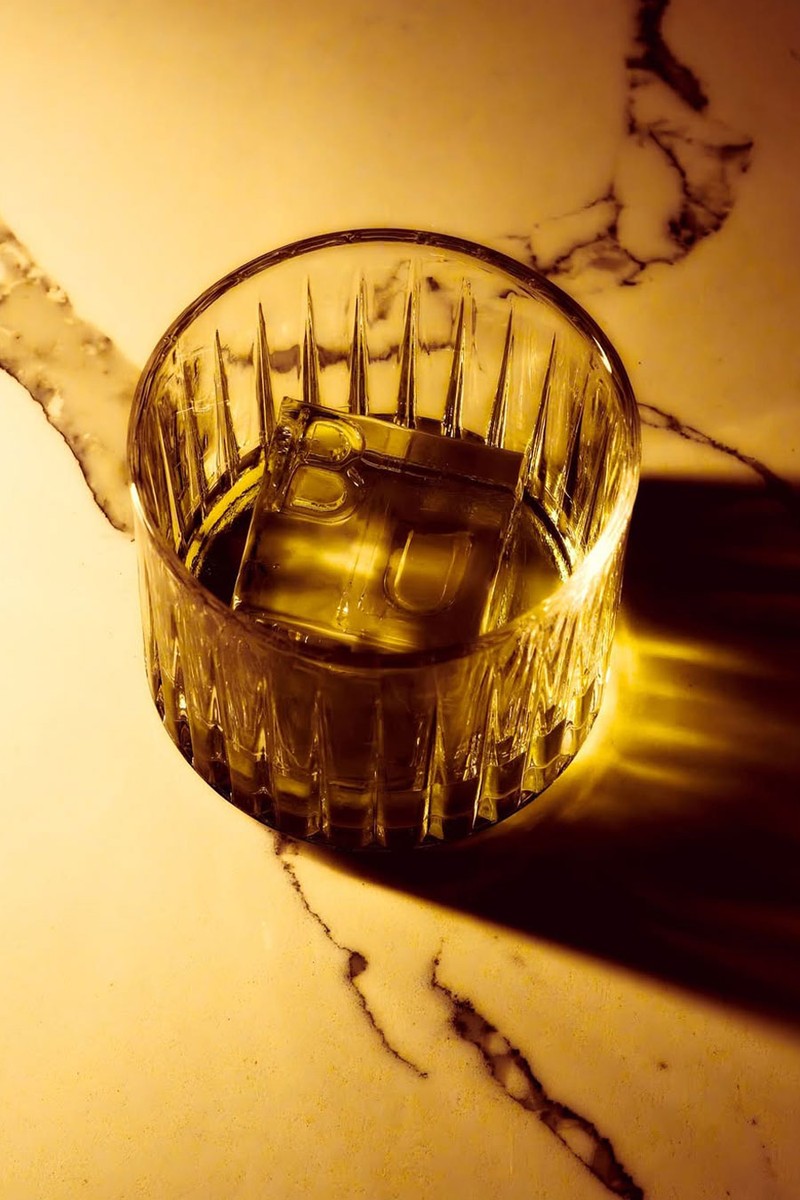
As for how to serve them, there's no single right way, but colder is often better. Alex is “partial to a single cube in a glass of Chartreuse, and when it comes to a heavier amaro, I prefer it colder to help lift the herbaceous aromatics”. Bertie too reckons you’ll get a “slightly more complex flavour” if you go colder with amaro. Dom keeps his Chartreuse in the freezer at home, serving it ice-cold, no ice. That’s also where Dan would put his Nocino on Christmas Day: “Put it in while you're eating dinner, so it's ice-cold for pudding.”
When the time comes, you’ll be reaching for something that demands attention. Easy to drink, but too richly complex to knock back, a digestif has to be settled into. And in that way, it extends the moment and can turn the end of a meal into its own occasion.
The Bottles To Buy…
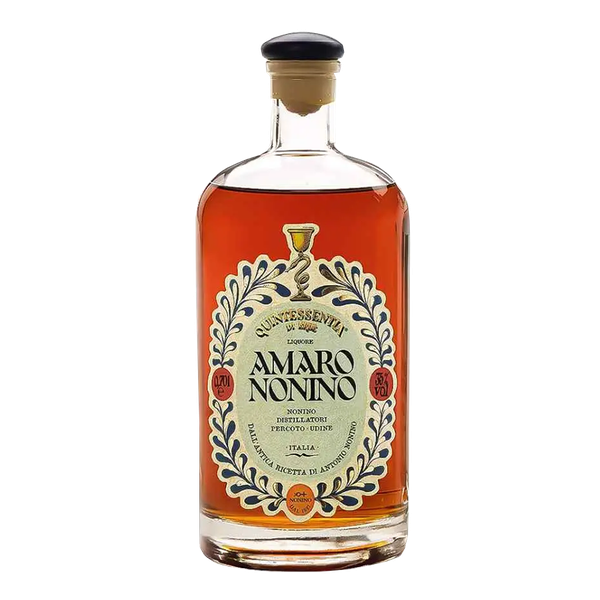
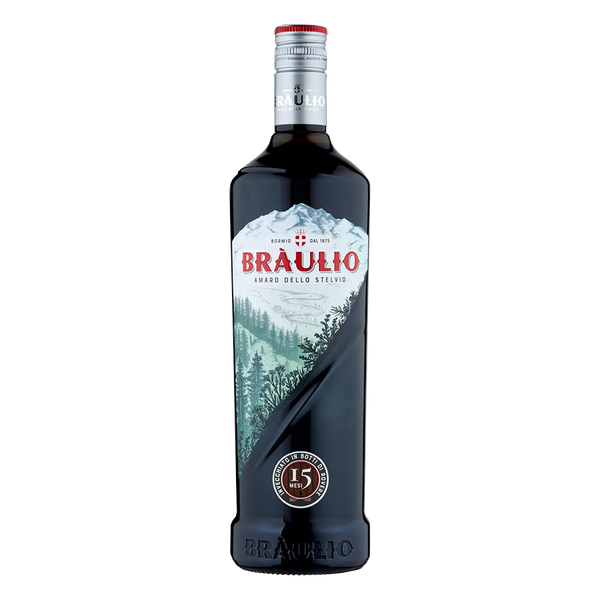
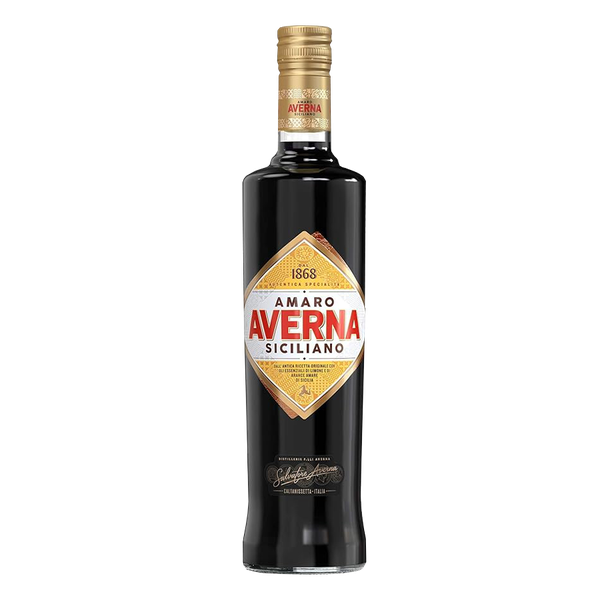
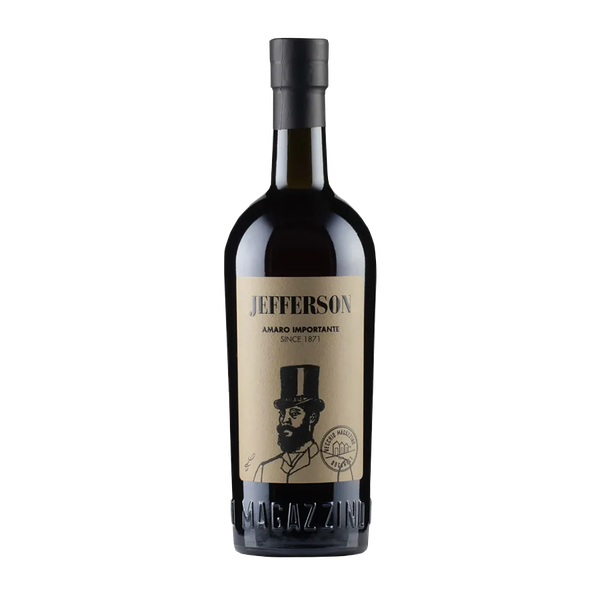
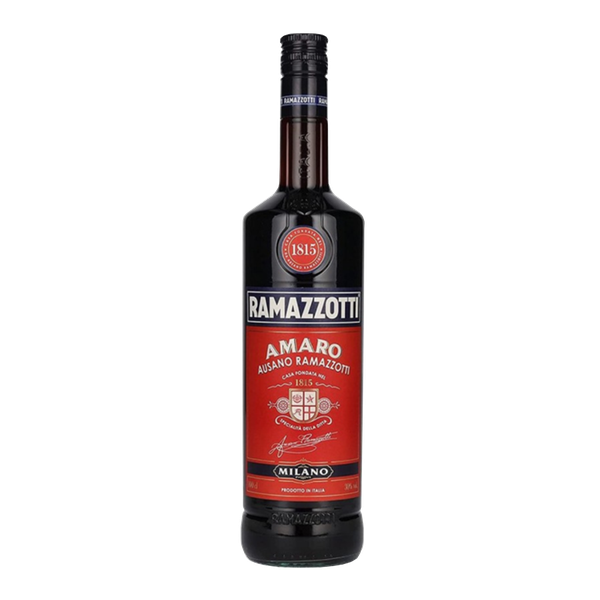
Alex’s amaro of choice is Braulio. Bertie suggests Nonino: “It’s super citrusy on the front, and barrel-aged, so it's got this really nice warmth in the back end – really great for this cold weather." Dan likes Ramazzotti or Averna as approachable entry points. For Chartreuse, Dom says classic green is “the only one for me, just because I have such fond memories of it”. Yellow is the slightly gentler alternative.

…And The Places To Try
For Chartreuse, it’s hard to beat Bouchon Racine. As Dom points out, “All those large-format bottles speak to someone having drunk them at some point.” Dorian and Manteca are the spots to try Vault’s unique amaros, while Plates has those Laurent Cazottes liqueurs. Dan suggests Amaro Bar in Kensington, while Henry recommends Rules and the Yellow Bittern for their ways with digestifs in general. Having worked there previously, Bertie puts forward Side Hustle: “They really understand amaros and they’ve got a massive collection, which they also use creatively on their cocktail menu.”
DISCLAIMER: We endeavour to always credit the correct original source of every image we use. If you think a credit may be incorrect, please contact us at [email protected].
/https%3A%2F%2Fslman.com%2Fsites%2Fslman%2Ffiles%2Fwebsite-images%2F2026%2F10%2Fslman-full-bleed-reversed.jpg)
