
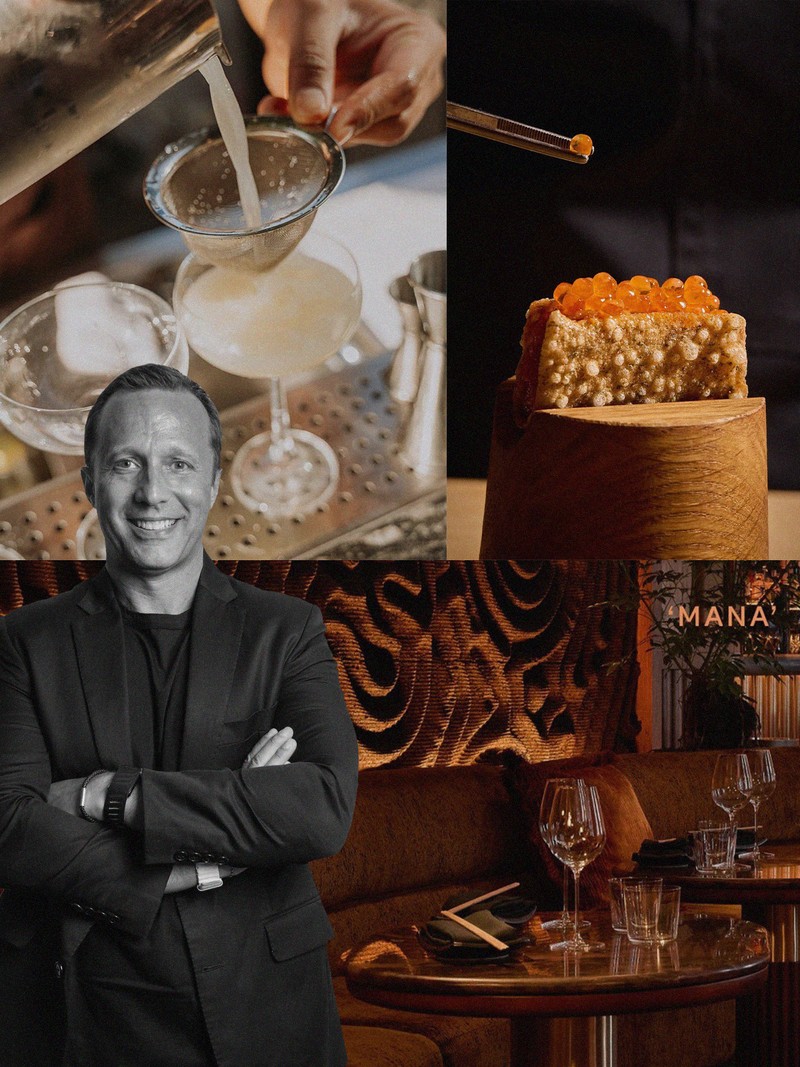
The CEO Series: Markus Thesleff
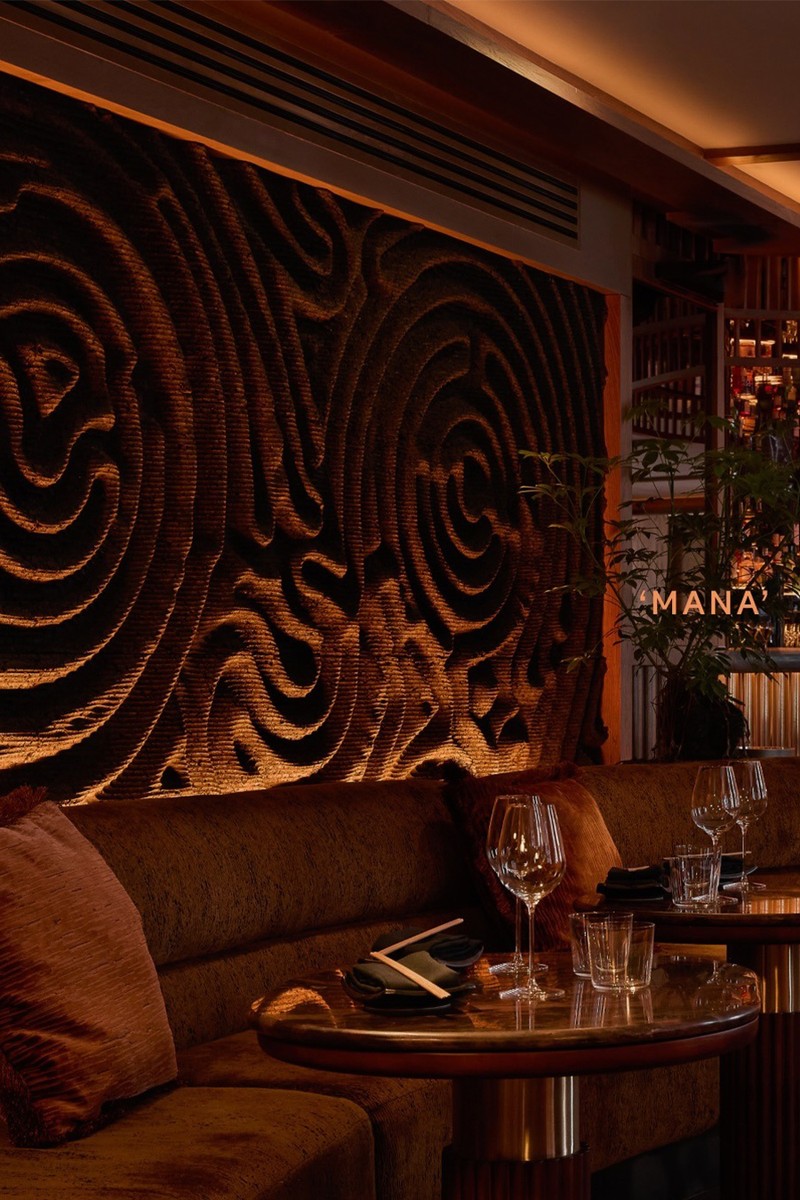
You grew up between Finland, Sweden and England. How did hospitality become part of your world?
My parents were incredible hosts. There were always people around the table – neighbours, ambassadors, businesspeople, gardeners, it didn’t matter. We were expected to sit there, be part of the conversation and engage properly. Looking back, that shaped everything for me. Then, at university in Illinois, I ran out of money almost immediately. I went from living like a king to surviving on packets of noodles, so I started throwing parties to make cash. What began as a few people in my apartment turned into thousands every weekend across multiple apartments. That was probably my first real lesson in creating places people wanted to be.
What did those experiences teach you about hospitality?
That people connect around food and drink. The dinner table is a magical place. Living in the Middle East reinforced that for me – hospitality and family culture are still incredibly alive there. Business is done by breaking bread together.
You’ve opened venues all over the world. How much does a city shape what you create?
Completely. If you don’t respect a city’s culture, energy and unwritten rules, you’ll fail. Every city has its own rhythm and even different neighbourhoods within cities do too. You also have to understand how people eat and live. In the US, tables are bigger. In the Middle East, people traditionally want more space between tables. In Asia, flavour profiles are different. These things matter.
You’ve called London the culinary capital of the world. Why?
Because it is. For the last decade, I think it’s been London over New York. Tokyo has the Michelin stars, Paris has the history, but in terms of innovation and energy, London has led. What makes London special is the diversity. Look at Indian food alone – the level of regional specialisation now is insane. But I do think we’re at risk. Hospitality and tourism are deeply interconnected, and I don’t think that relationship is properly supported here. Other cities understand the economic and cultural value of restaurants. London needs to protect what makes it special.
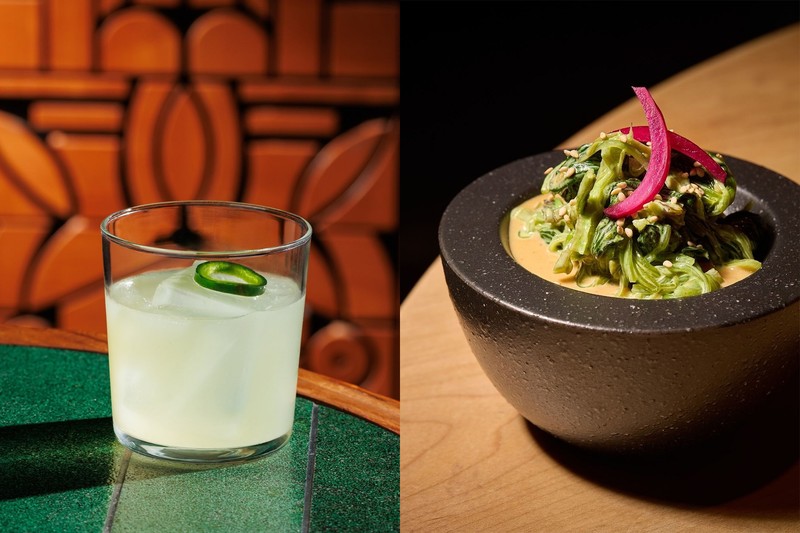
What’s been the biggest industry shift you didn’t see coming?
Alcohol. I never expected drinking habits to change this dramatically. Restaurateurs everywhere are feeling it. That said, I’ve started hearing that younger people are drinking again, so we’ll see whether this is a long-term structural shift or another cycle. But it’s definitely changed the industry.
Los Mochis is all about Japanese-Mexican food. Why did that combination appeal to you?
I’ve always loved both cuisines. My grandfather was the Finnish ambassador to Japan, and my dad was born in Tokyo, so there was always a connection to Japanese culture growing up. When we started Los Mochis, people told me it was the dumbest idea ever. Which, honestly, usually makes me want to do something more. I’m very contrarian.
Your restaurants all feel very immersive. Is that intentional?
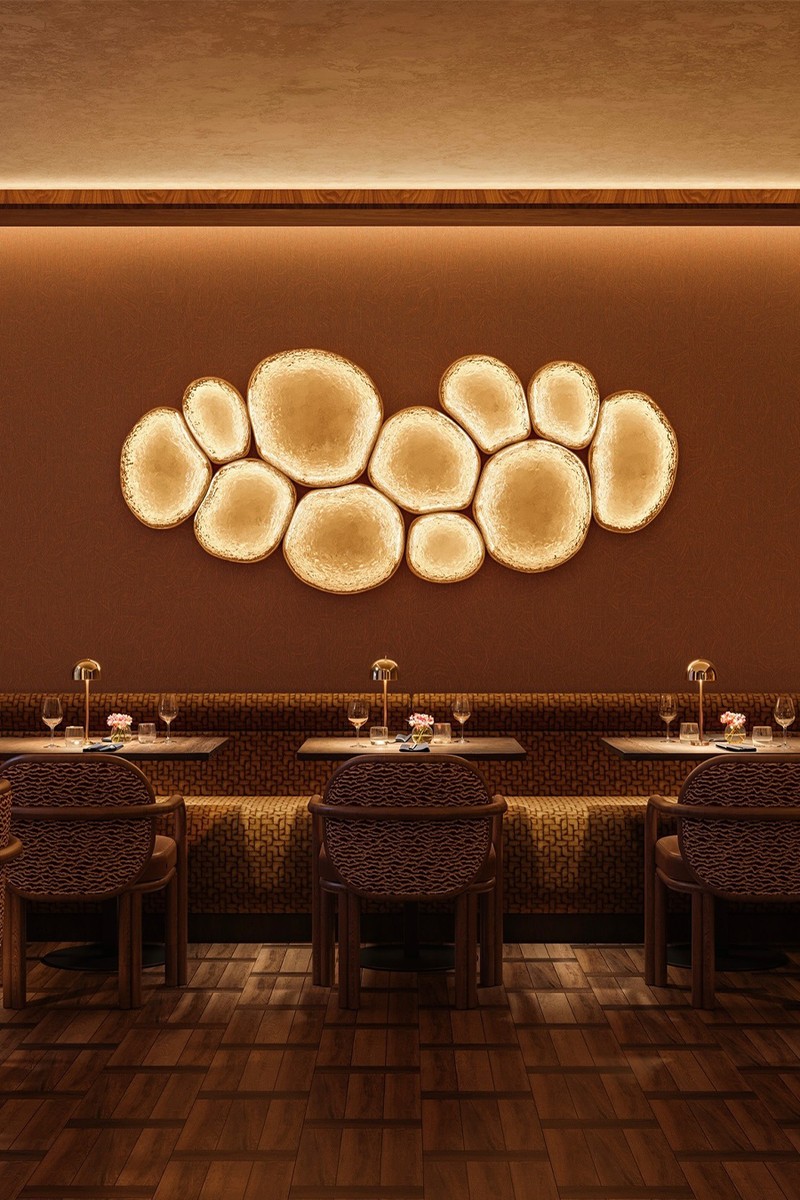
Absolutely. Everything is about energy and emotion. At Los Mochis, most of the menu is designed to be eaten with your hands because, even if you’re in a business meeting, it instantly makes things more relaxed and human. At Juno, we wanted it to feel like being in someone’s house rather than a stiff omakase experience. You’re sitting on top of each other. You have to interact.
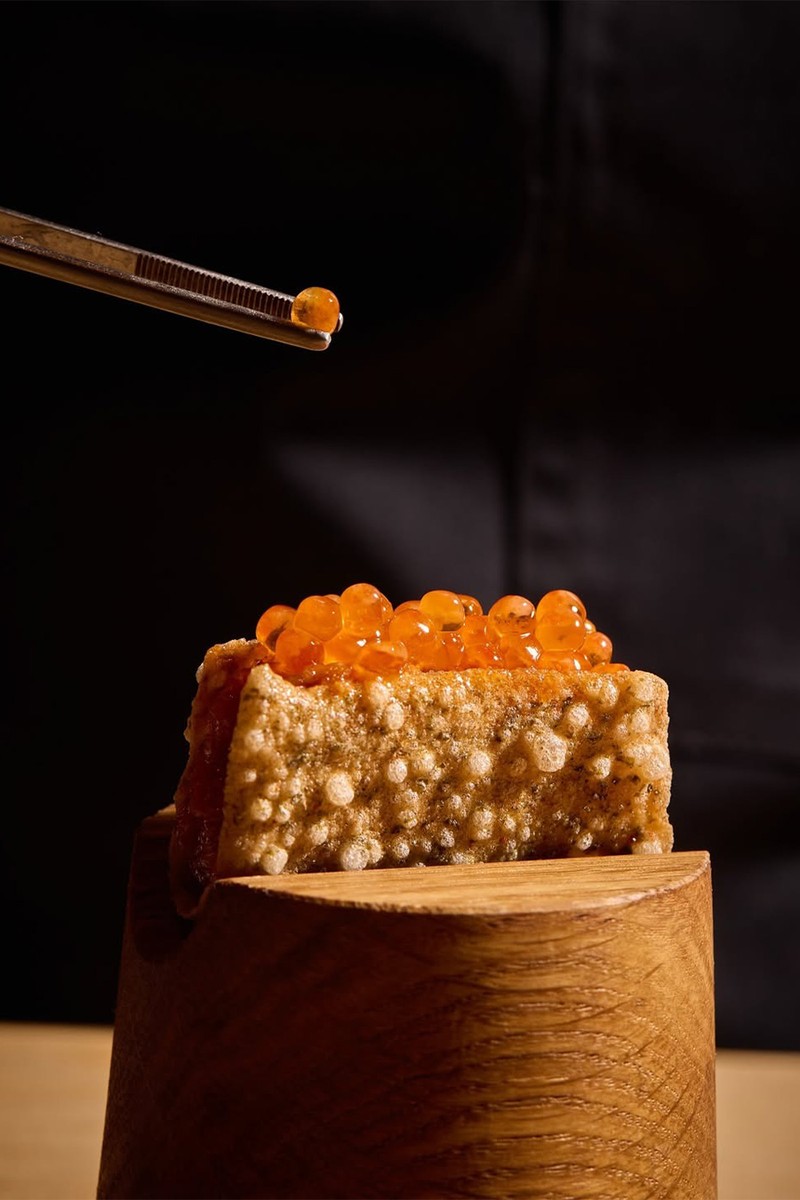
How do you know when a concept is right?
It always starts with feeling. I’m very instinctive. I meditate every morning, I’m really into energy and I genuinely believe spaces hold energy too. I actually work backwards: I know the feeling I want people to leave with, then I stress-test the idea from every possible angle. If everyone immediately tells me an idea is amazing, I usually won’t do it – because it probably already exists.
What’s your leadership style?
Extreme ownership and inspiration. I push people hard because I want them to become the best version of themselves. Every day, we just need to be two millimetres better than the day before. And I only want to work with kind people. I don’t care how talented someone is – if they’re an asshole, it’s not worth it.
You’ve got several openings happening right now. Tell us a bit about them…
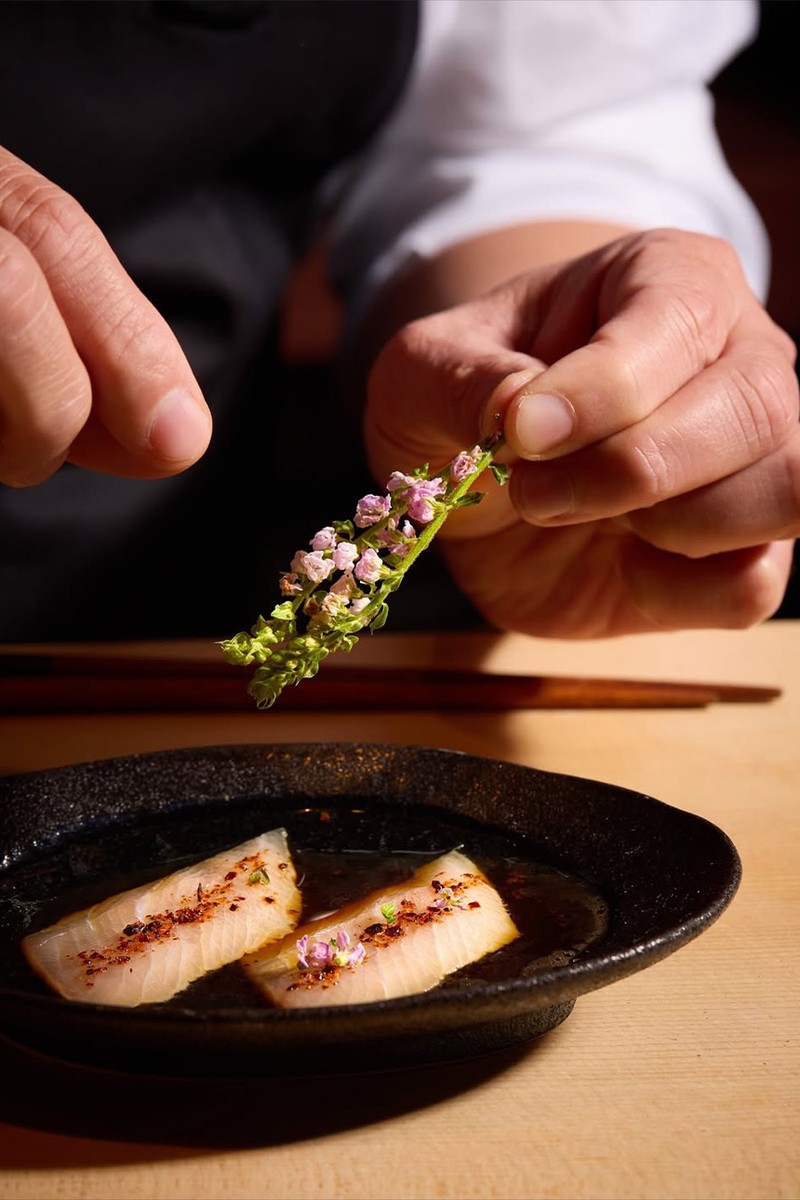
We’ve just opened Sale e Pepe Mare at the Langham, which is really an ode to my parents and the kind of places we grew up loving. It’s coastal Italian dining inspired by travels through Puglia and Amalfi. The next is MA/NA in Mayfair, which is contemporary Japanese dining. It’s probably one of the biggest openings we’ve done as a group. The design takes inspiration from 1970s Tokyo, interpreted in a modern way. And then we’ve got a summer pop-up coming in a beautiful private garden in Marylebone.
What’s one thing hospitality still lacks?
Respect and recognition. People don’t realise how much of life happens in restaurants. First dates, celebrations, business deals, birthdays, proposals, breakups – these spaces matter. And economically, hospitality is huge. Millions of people work in this industry. It shapes culture, tourism and communities in a massive way.
What’s the biggest mistake you’ve made?
Not listening to my gut. Most mistakes come down to people and not making decisions quickly enough. It’s never the person you didn’t hire – it’s the person you didn’t fire. But honestly, one of the biggest mistakes was not believing in myself enough when I first moved back to London from Dubai. Other people believed in me before I fully believed in myself.
And finally, what do you want your legacy to be?
Easy. My people. The legacy is the people who worked with us, and what they go on to do in their lives – whether that’s in hospitality or not. If we helped them push themselves, grow and build fulfilling lives, that’s what matters most. A brand is just letters above a door. The real brand is the people behind it.
Visit TheSleffGroup.com & follow @Mana.Mayfair, @LosMochisLondon, @SaleEPepeLondon & @Luna.Omakase
DISCLAIMER: We endeavour to always credit the correct original source of every image we use. If you think a credit may be incorrect, please contact us at [email protected].
/https%3A%2F%2Fslman.com%2Fsites%2Fslman%2Ffiles%2Fwebsite-images%2F2026%2F10%2Fslman-full-bleed-reversed.jpg)
