
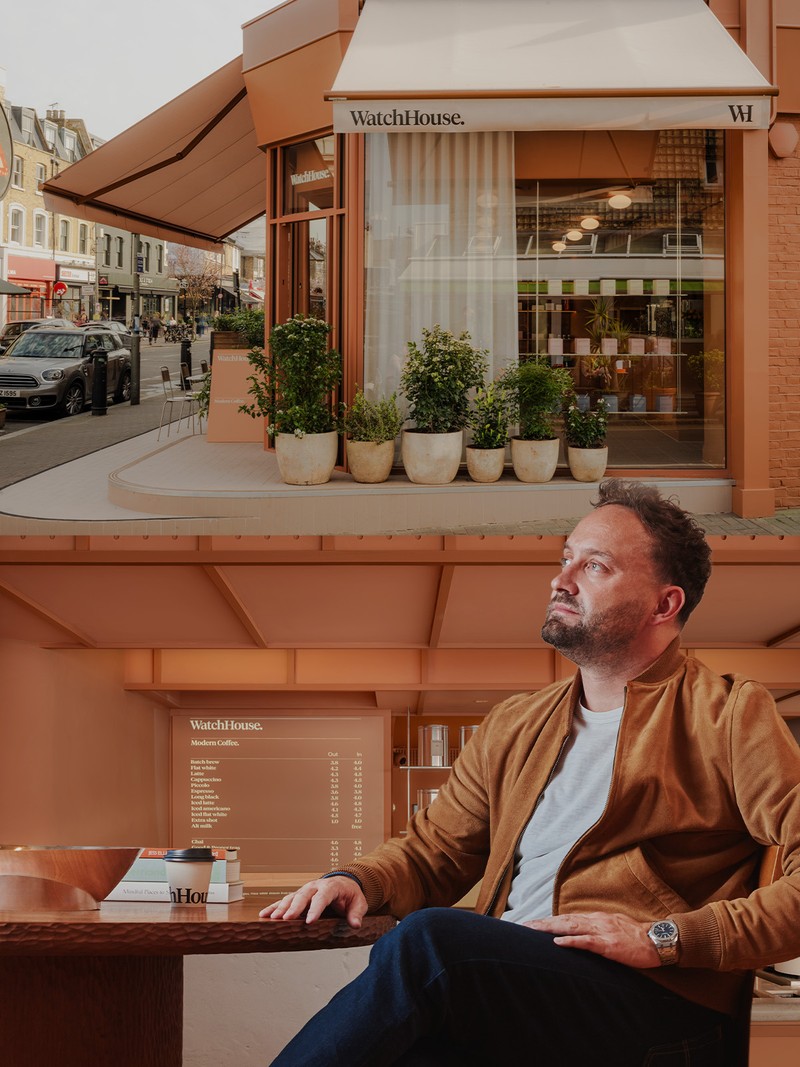
The CEO Series: Roland Horne of WatchHouse
What were the experiences that led you to become a CEO, Roland?
If we’re going primordial, I would say childhood. I know someone in the investment community who only looks for founders with challenging childhoods. I didn’t have a bad childhood, but there were definitely challenges in it that led me to be a leader. Everything I’ve done, from captaining sports teams at university to founding businesses, goes back to moments when I was younger when I had to lead out of necessity.
What was the opportunity you saw with WatchHouse?
I always tell people: I'm not a coffee aficionado at all. I was an economics undergraduate and master’s student, then I worked in oil for six months. Then I started an aquarium design business. When it came to WatchHouse, I effectively got asked to be an investor. I was going to design it and pay for it, and someone else was going to run it. Then suddenly that person didn't want to do it, so I just thought, I'll go for it myself.
Why did you decide to go for it?
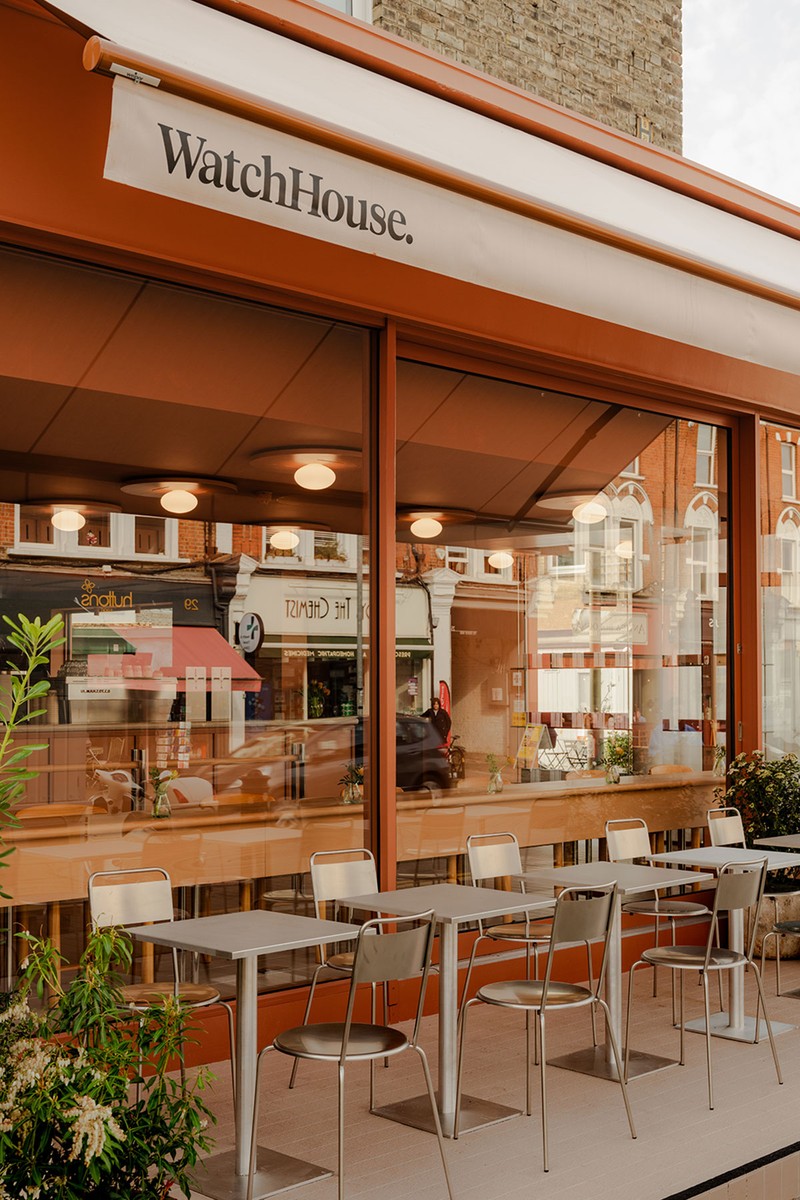
My view at the time, and it still is today, is that hospitality in the UK is just not built for any form of authentic expression. It tends to be built for capex, especially the chains. Chain is a word that we kind of relish at WatchHouse because it’s an opportunity for a large brand to do exciting things because it has more resources to play with.
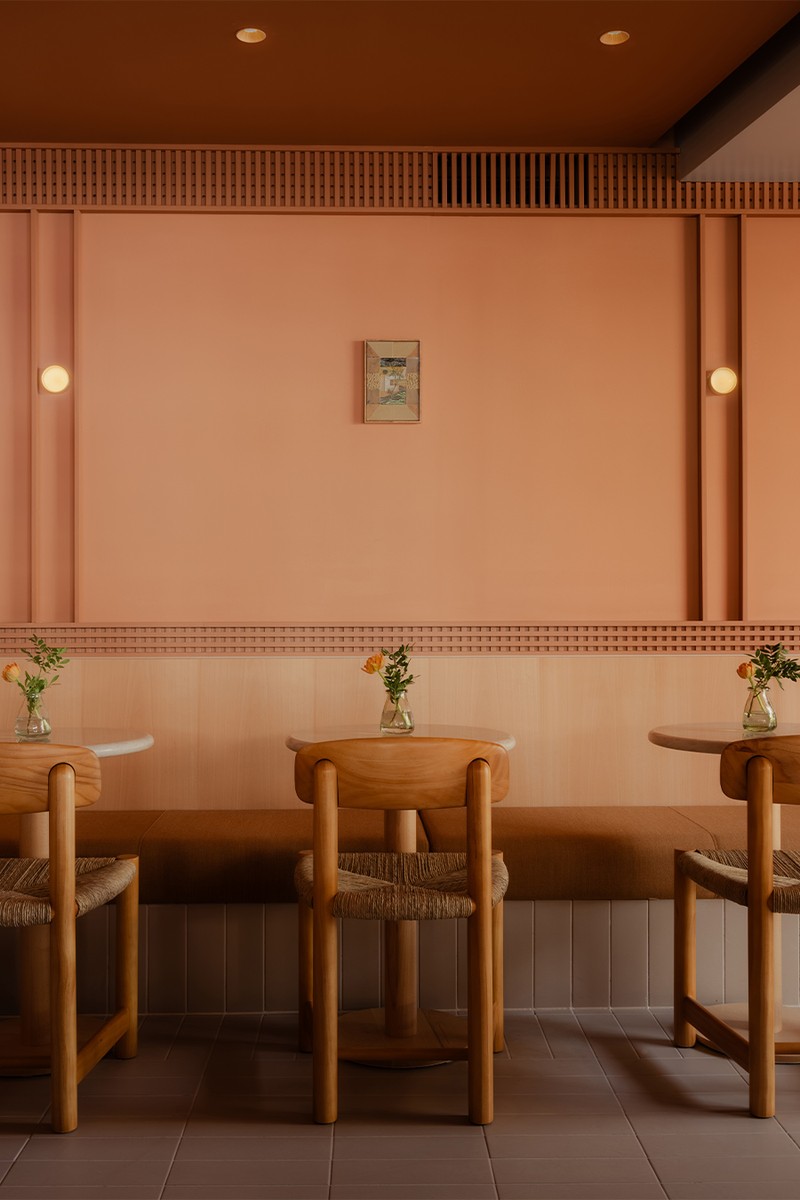
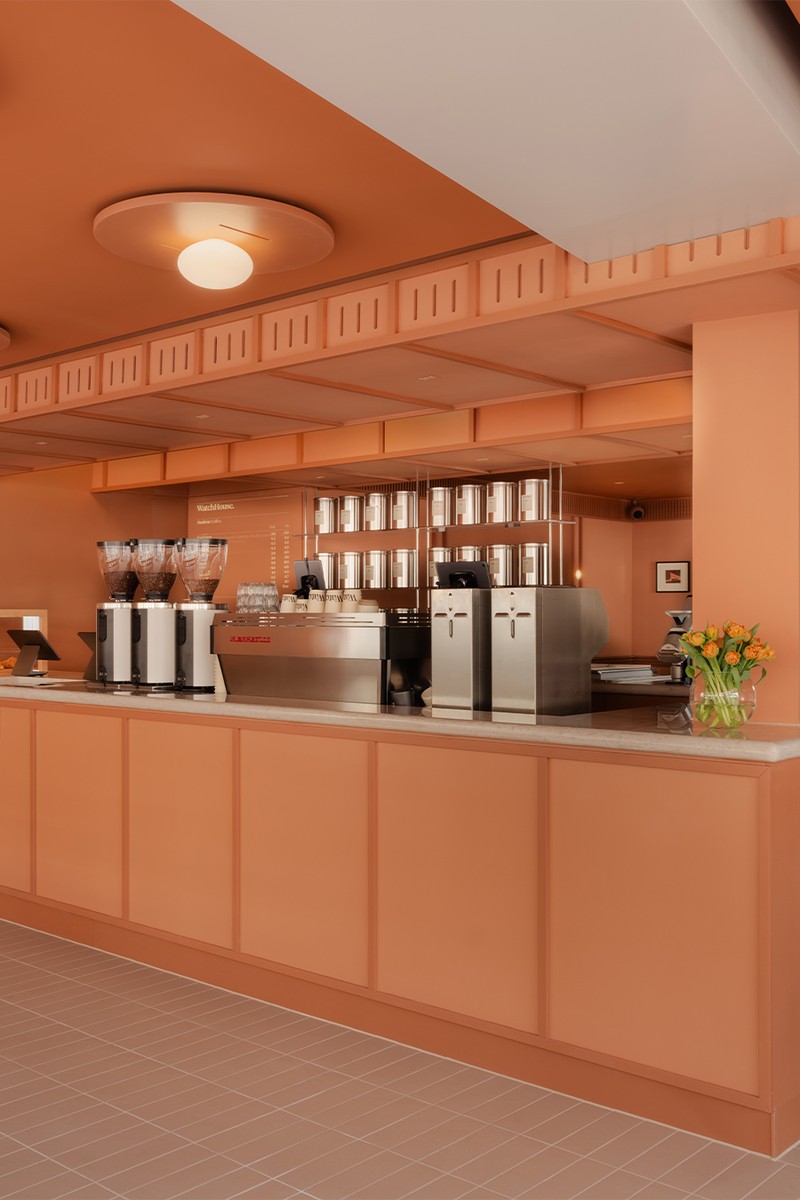
In London 15 years ago, it was all cookie-cutter brands. I wanted to create something that was a true local hero in its environment. Something that had great food and great product – designed in a really great, economic and smart way with a high attention to detail – and was staffed and run by great people. It was as simple as that. I live around the corner from the original WatchHouse, and there was a lot of traction with it. The landlords liked it because they thought, ‘This is a brand that looks great,’ which is a good amenity factor for other tenants. Guests love it because it's something that feels a bit different. And so it gained traction.
What was the strategy at that point?
There was no strategy, it just felt right. By personality trait, I’m not a blue person. I don’t sit down, and create a plan and a strategy, and work out the systems we’re going to need. Did I sit down at the age of 20 and think, ‘I'm going to set up an aquarium business, then I'm going to set up a property business in London, New York, and then I'm going to set up a coffee business’? No, but it's worked out very well for me economically. With WatchHouse, I just felt like it was a good thing to do. I thought that people would want it. I think if you want to use something and it's not in the market, then go build it.
What do you think marks WatchHouse out today?
Local heroes in London don't have to be polished. They just have to be authentic and real. I tell my teams that WatchHouse is a spiritual experience – and I'm not religious whatsoever, but our baristas will spend more time talking to people than those people will spend time talking to their mum and dad this year. That’s significant.
What do you think is the key to being a successful leader?
It's the emotional intelligence, isn't it? Truly great CEOs just have incredibly high emotional intelligence. The Peter Thiel viewpoint is that only the neurodivergent are going to survive – the odd, off-the-wall, brilliant characters, the Musks. That’s fine, but I think great, lasting organisations and cultures are built by people that truly dial into human forces. I know what I'm good at, and other people can see and feel it. Equally, when I'm not good, I think people can see and feel it, so think it's really important to show that vulnerability, show the emotional intelligence to be able to notice your shortcomings really well.
Zuckerberg is amazing, not because of who he is, but because he builds people around him who are amazing, and that makes him brilliant. That's my approach here at WatchHouse. I sit now in meetings, the teams are either side of me, and they're just firing off at each other, and suddenly I have no idea what they're talking about. I think that's the point. We’ve got a team of great people and great personalities that complement each other, which we have built using a system called Entrepreneurial Operating System (EOS), a framework that has been totally game-changing for us.
Tell us about some of the team…
My seventh hire, Steph Greg, came in as a barista in 2014, then became a house manager, then area manager, then ops manager, ops director, and she then joined the board. She now sits as our culture director. She's kind of like the spirit animal in this business. Then there’s Caroline Ottoy, who is our MD. She helped me realise I wasn't very good at the empathy part of our business. Basically, we have the four core values of our business that derive from the EOS process: drive, passion, diligence and empathy. I'm plus on drive, passion and diligence, but I'm plus minus on empathy, which apparently is quite common in the founder. She is the opposite of me. She comes in and really leads the teams and makes people feel happy. She has this way about her, and she's been a game changer to our business.
/https%3A%2F%2Fslman.com%2Fsites%2Fslman%2Ffiles%2Farticles%2F2026%2F05%2Fsl-man-ceo-roland-horne-watchhouse-landscape.jpg)
Going back to the beginning, what was the biggest challenge?
We were lucky because the first house we opened had a very small cost base. I was earning decent income from a previous business and other assets that I'd acquired, and therefore it was a bit of a free option. Open it, and if it doesn't work out, it’s a £150k nosebleed. It stings, but it’s not the end of the world. But it worked, so then we opened the second one, and that worked too.
Reflecting now, the biggest risk in the beginning was selling my time to the business at a key juncture of my life. I was 29 or 30, when you really get into somewhere an inch wide and a mile deep in terms of your focus and specialisation. I ended up selling my 50% share in the aquarium business, which was a very good business making good money. That was obviously a risk, but I would say the biggest risk really was ultimately the gamble of time.
What are the current challenges?
Our business is such that our first three houses were organic and cash flowed from the business. My accountant was like, ‘You’ll be dead before this is interesting.’ They suggested that we go out, get some debt and get some equity, and really go for it. We closed a round in 2020 and raised around $5 million which enabled us to go into Covid feeling like we're going to crack on. We went in with four houses, and we came out with 11, and we opened up our roastery. We did some good investment deals, and we pulled through, but that was definitely a moment of jeopardy. We're saying the same thing that we said then right now in our UAE business: ‘This is a great time to put your foot to the gas and really go for it.’ Humans want to be around each other.
How are you using AI?
We use it for an awful lot of our business analytics and business insights. The really interesting and fun one is a piece of software that effectively uses our existing CCTV cameras within the houses to track and monitor what's happening. You have to look past the Big Brother thing – it's no more than anything else that we have in our lives, and it's not about our customers’ faces or demographics. It's more about, ‘Where are our staff standing? How much food do we have? It’s 2:15pm on a Thursday at WatchHouse Hanover Square, what did the food display look like? What's your journey time from coming in to getting your coffee?’ We only really see you as the customer once you actually make an order, but your physical wait time is different, so that piece of AI technology is making a huge difference to our business.
How do you measure success in the business?
The EOS has been the biggest game changer for our business. It effectively enables you to codify your business from your core values to what does ‘good’ look like? We have a scorecard that tracks both quantitative and qualitative metrics. We have very clear, definable numbers for what we're going to be doing this year, in three years’ time and in 10 years’ time. We track those every single week. Every Tuesday morning, we sit for 90 minutes in a level-10 meeting. Level 10 means you come into the meeting with the expectation it'll be 10 out of 10. If it’s not, you have to ask why and then improve for next week.
If you can't track success, you can never find success. We didn't have any of that when we first started WatchHouse, but you can't run a business without it. You have to be able to ask, ‘What's our Net Promoter Score? What's our Employee Net Promoter Score? What are our Google reviews indicating? What do our house audits say?’ If you don't really lean into those things, you end up missing key parts of the business. For example, how many people left our business in the last seven days? We allow for two per week across our whole business. If it's seven, then something's going wrong.
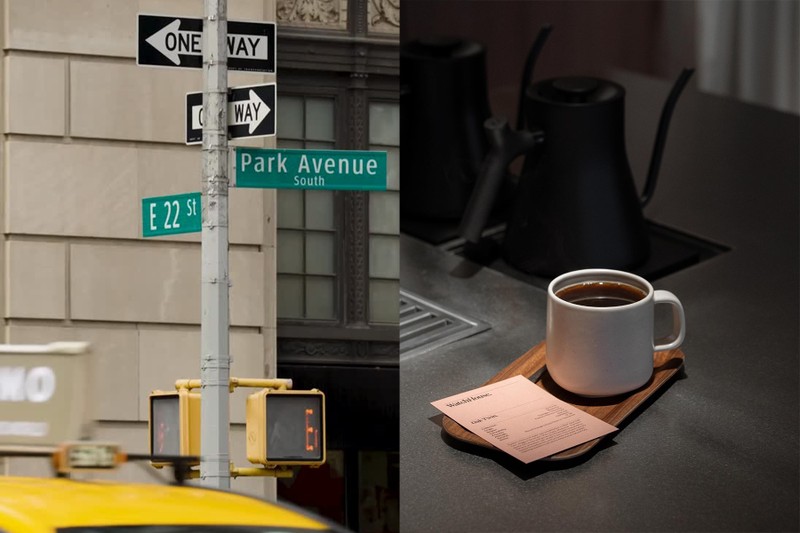
We have a thing called ‘right person, right seat’. The minimum pass for the business is to have three pluses and one plus-minus – so thankfully I just get in. You can't have three pluses and a minus. You can't be driven, diligent, passionate, and have no empathy. Anyone with a minus doesn't get hired or, sadly, has to get fired. That’s how you find the right person. The second part of that is the right seat. Someone might be the right person for the business, but not in the right role, so let's see if we can find them a role. If there’s not a role, we have to let them go. The point is we track the ‘right person, right seat’ percentage in our scorecard every week. We're now at 94% across the whole business. You need that. You need the system to track everything and make sure you're on the right journey, especially because we're in three continents now.
Finally, Roland, do you have one piece of advice for someone wanting to set up their own business?
Implement the EOS as soon as you can. Also, if you're going to set up a business, ask yourself why. Truthfully, what are the fundamental reasons for doing it? Everyone wants to be their own boss, but you're going to be in a marriage for 20 years. Are you sure you want to do this?
Visit WatchHouse.com
DISCLAIMER: We endeavour to always credit the correct original source of every image we use. If you think a credit may be incorrect, please contact us at [email protected].
/https%3A%2F%2Fslman.com%2Fsites%2Fslman%2Ffiles%2Fwebsite-images%2F2026%2F10%2Fslman-full-bleed-reversed.jpg)
