
Why Is British Menswear So Special?
What do you think defines British menswear?
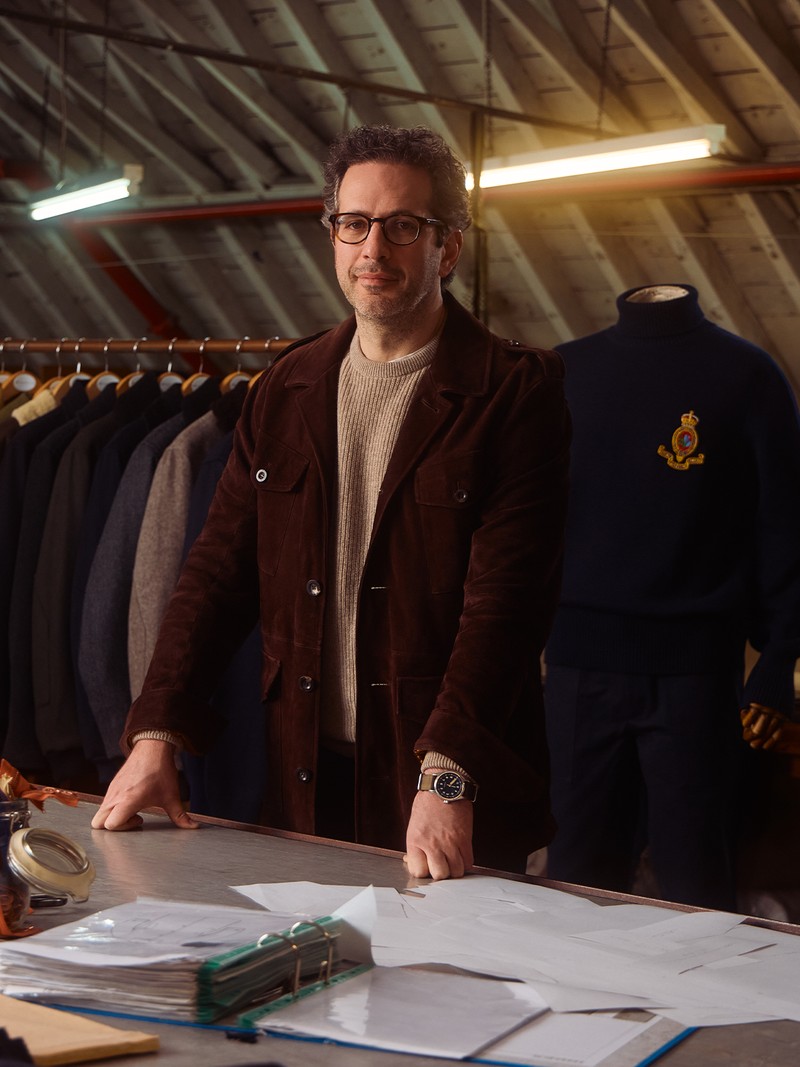
James Eden, CEO of Private White VC: I feel quite passionately that if you label something as British, it should be made in Britain. It should be blessed with British materials, British yarns and British craftsmanship. For me, cloth is absolutely everything, and British menswear is most famous for its fabrics. In terms of style, I think it says something about heritage, simplicity, tradition and understatement. Clothes should whisper, not roar.
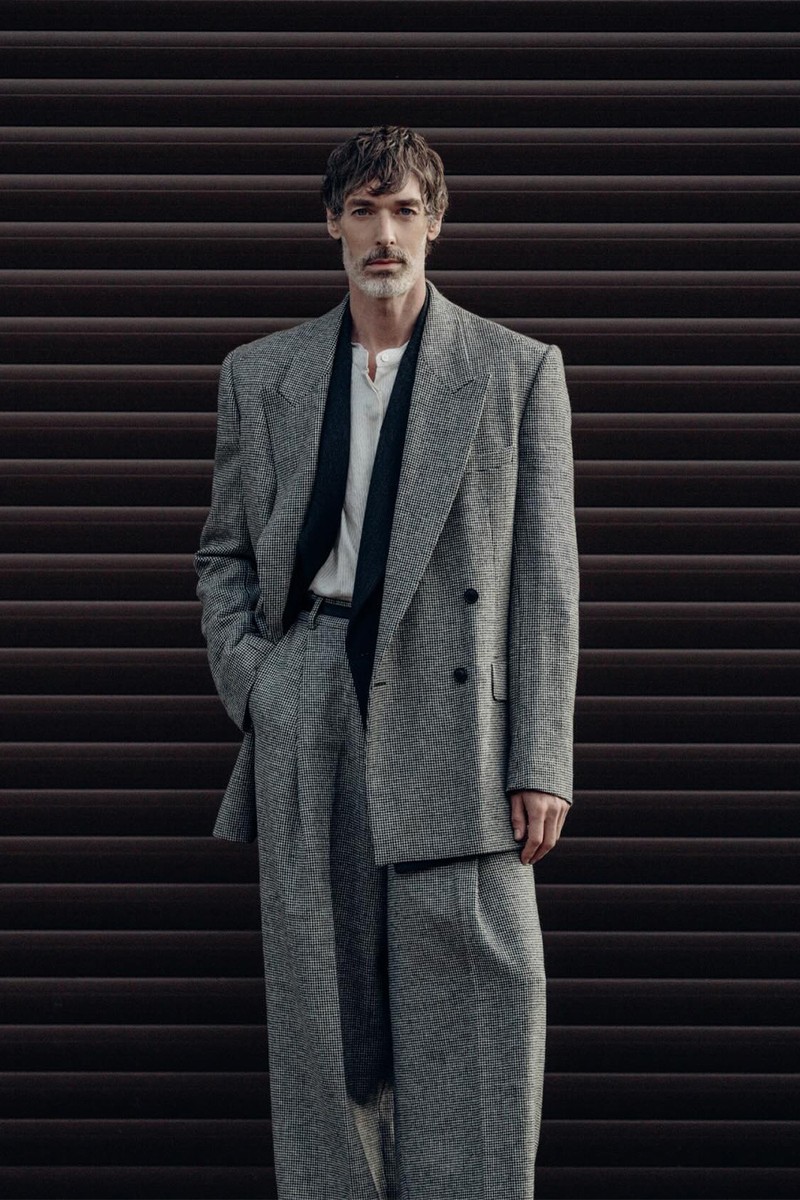
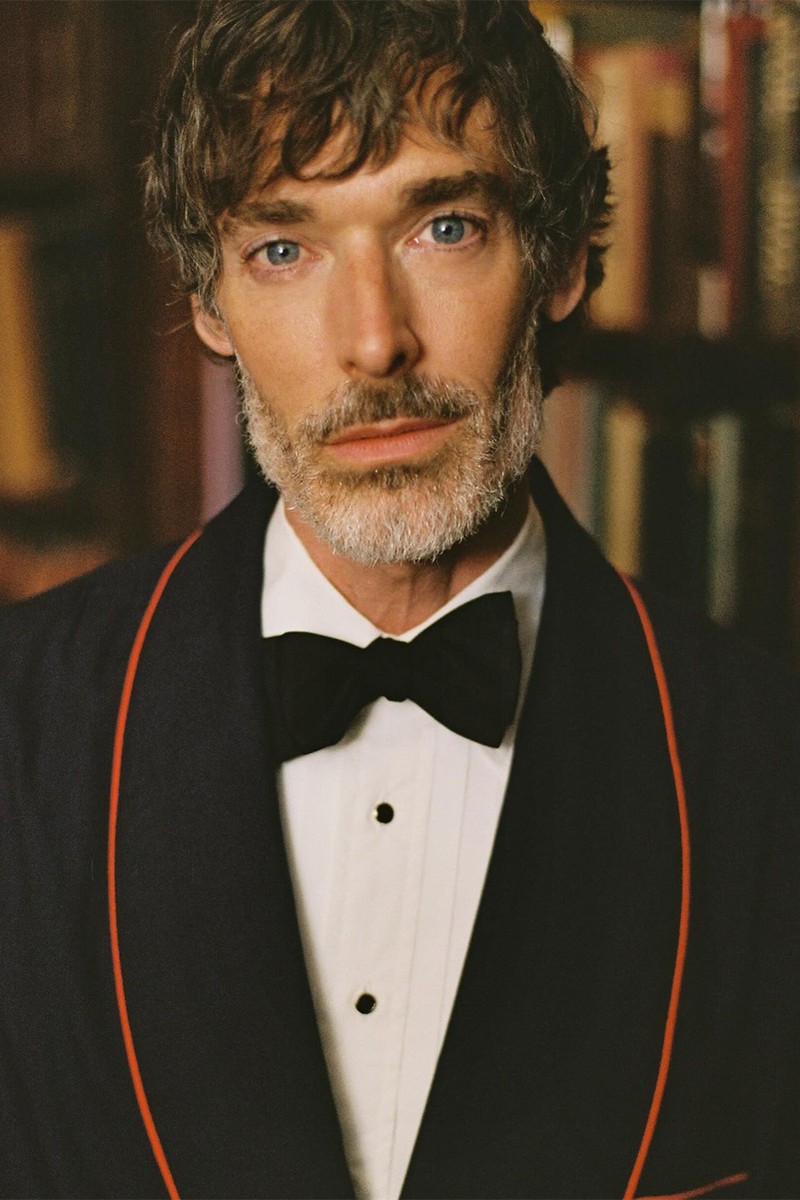
Richard Biedul, model, creative & artistic director: Traditionally, when you think of brand Britain, you think of craftsmanship from a heritage standpoint. Shoes in Northampton, shirting on Jermyn Street, and tailoring on Savile Row – all have the stamp of quality. We now have so many new brands entering the marketplace that don't necessarily fit any of those classic positions – Oliver Spencer was probably the first. He's still using a lot of heritage fabrications; he's just tweaked the silhouettes into a modern shape, and his clothes are very wearable, almost a uniform. It still has a stamp of quality, but just in a different way.
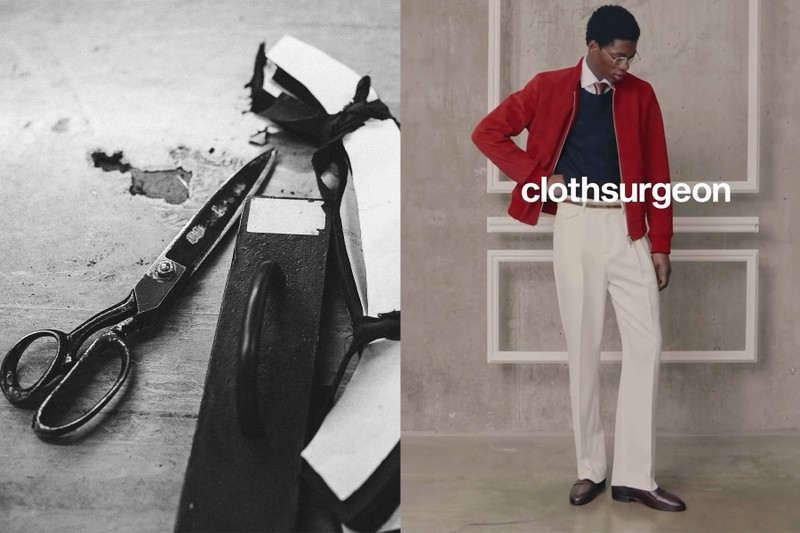
Rav Matharu, founder of Clothsurgeon: I’d say eclecticism. I spend so much time people watching in the heart of London and studying so many British subcultures from punk to terrace to mods. We are known for craftsmanship, tailoring and heritage, but also for producing some of the greatest designers. We have harnessed the art of rebellion.
Is there a single fabric that encapsulates British menswear?
James: Cotton gabardine. It started with a request from Churchill during the Second World War to prolong the survival rates of RAF pilots. You land in the water, you get wet, you get cold, you get too cold, and you've had it. Cotton gabardine is a mercerised yarn, so when moisture hits the yarn, it swells and repels the water. If you tape the seams like we do, it's 100% waterproof cotton. It's a fabric that has saved a lot of lives, it's got an incredible heritage, and we still use it to this day.
Do we fully appreciate what we have in this country?
Rav: I feel there is so much more demand abroad. Clothsurgeon’s clients are mostly international. US first, Japan, the Middle East, then Britain, and then the rest of the world.
James: It seems like the further away you are from something, the more intriguing, the more interesting, the more exciting it is. There are people in central Manchester who could not be closer to our factory, yet they couldn't be less interested in visiting. Yet we have people flying across the Atlantic to see what we do.
Richard: As a consumer, I look to the Japanese, the Italians and the Americans, and the things I really buy into are the things that have a story and have heritage. In Britain, we have the same thing. We can tell those stories and show that product. Burberry does it very well, and they have so much history. I'm not a Burberry consumer, but I absolutely adore their comms.
/https%3A%2F%2Fslman.com%2Fsites%2Fslman%2Ffiles%2Farticles%2F2026%2F01%2Fsl-man-british-menswear-richardbiedul-photography-garconjon-clothsurgeon-full-bleed-2.jpg)
What can the industry do change this?
James: I'm always pushing for more transparency and a better understanding of what making in Britain actually means. If we were more of a nation of builders and makers like we once were, we'd be in a fantastic position, but there’s been a big contraction in craft, industry and vocational courses.
Richard: If you look over at New York at the moment, the menswear scene is thriving. Independent retailers have gone from really small offerings to having really curated, beautiful, direct-to-consumer spaces where they're able to build out their own community. Look at Stòffa, Noah and ALD – what they're actually selling is identity and community. Drake's and Studio Nicholson do this as well. Both brands' visuals are incredible, and their products are incredible. It’s about remembering who your audience is, and allowing your community to tell your brand story.
Rav: Bring back men’s fashion week! Celebrate domestic menswear brands, and give them a platform.
Who has been instrumental in forming your sense of British menswear?
Richard: My grandfather. He was a working-class dude, an electrician who worked his way up to be the head of the company. He would have his shoes made in Northampton, his suits made on Savile Row, and his shirts bought from Jermyn Street. He would wear a gold watch, cufflinks, a beautiful handmade tie, and a tie bar. He believed that the best products came from the UK, and he introduced me to buying a product for life.
Rav: I love Lee McQueen – his unapologetic attitude backed up by incredible talent. I’ve tried to bring that rebellion to Savile Row. Breaking rules, but with respect!
James: It’s probably my mentor, Mike. He's been in this business for 53 years. He got me fixated with making things regionally, doing things properly, and employing lots of people. And you're only able to do that by becoming known for impeccable standards, unrivalled quality, and a determination to be the very best at what you do.
/https%3A%2F%2Fslman.com%2Fsites%2Fslman%2Ffiles%2Farticles%2F2026%2F01%2Fsl-man-british-menswear-private-white-vc-landscape.jpg)
When you think of British menswear, what are the kind of key items that come to mind?
Rav: A classic form-fitted suit, a 90s oversized tracksuit, a trench coat, a parka and a harrington are all quite significant to British culture. And a pair of bench-made loafers!
James: Outerwear. The cut has got to be fabulous, the fabrics have got to be impeccable, and the proportion, dimensions and all the rest must be bang on. Then invariably, shoes. Britain – Northampton in particular – has an unrivalled heritage in shoemaking.
Richard: A Barbour jacket, right? Everyone's got one, and we all love them. Then you'd probably look at a button-down oxford or a flannel, a Shetland jumper, a suit jacket and some nice, pleated trousers.
What’s the next word when you type into Google, “What makes British Menswear so…”?
James: Authentic. You can't replicate what we do. You can't because we're making it ourselves in British materials, British fabrics, by British people in one of the oldest British factories. It’s that provenance, authenticity and integrity.
Richard: Expensive. And that’s not necessarily a bad thing. It's expensive because people are probably thinking about the handmade garments. The work, the time and the artisanal craftsmanship that goes into making those garments cost money. When you're making good products from high-quality raw materials, and you're paying your supply chain ethically, you're treating them responsibly, and that’s what good clothes that last forever should cost.
Rav: Innovative.
Visit ClothSurgeon.com, PrivateWhiteVC.com & RichardBiedul.com
All products on this page have been selected by our editorial team, however we may make commission on some products.
DISCLAIMER: We endeavour to always credit the correct original source of every image we use. If you think a credit may be incorrect, please contact us at [email protected].
/https%3A%2F%2Fslman.com%2Fsites%2Fslman%2Ffiles%2Fwebsite-images%2F2026%2F10%2Fslman-full-bleed-reversed.jpg)
