

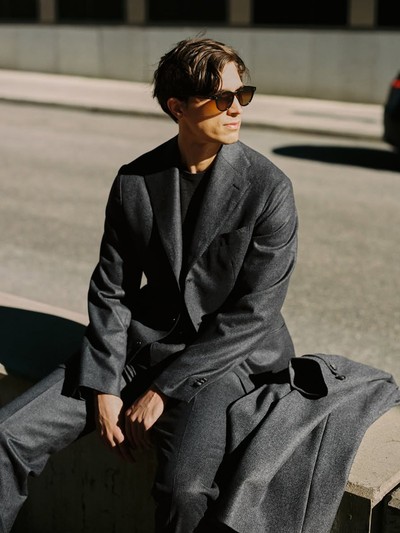
How To Dress Like A Scandi Man
The Scandinavian style has swept across Instagram of late. Simple and elegant, its appeal is obvious, but the technique behind it is not. To find out how to achieve the look, we went to three of its finest native exponents…
All products on this page have been selected by our editorial team, however we may make commission on some products.
What is Scandi style?
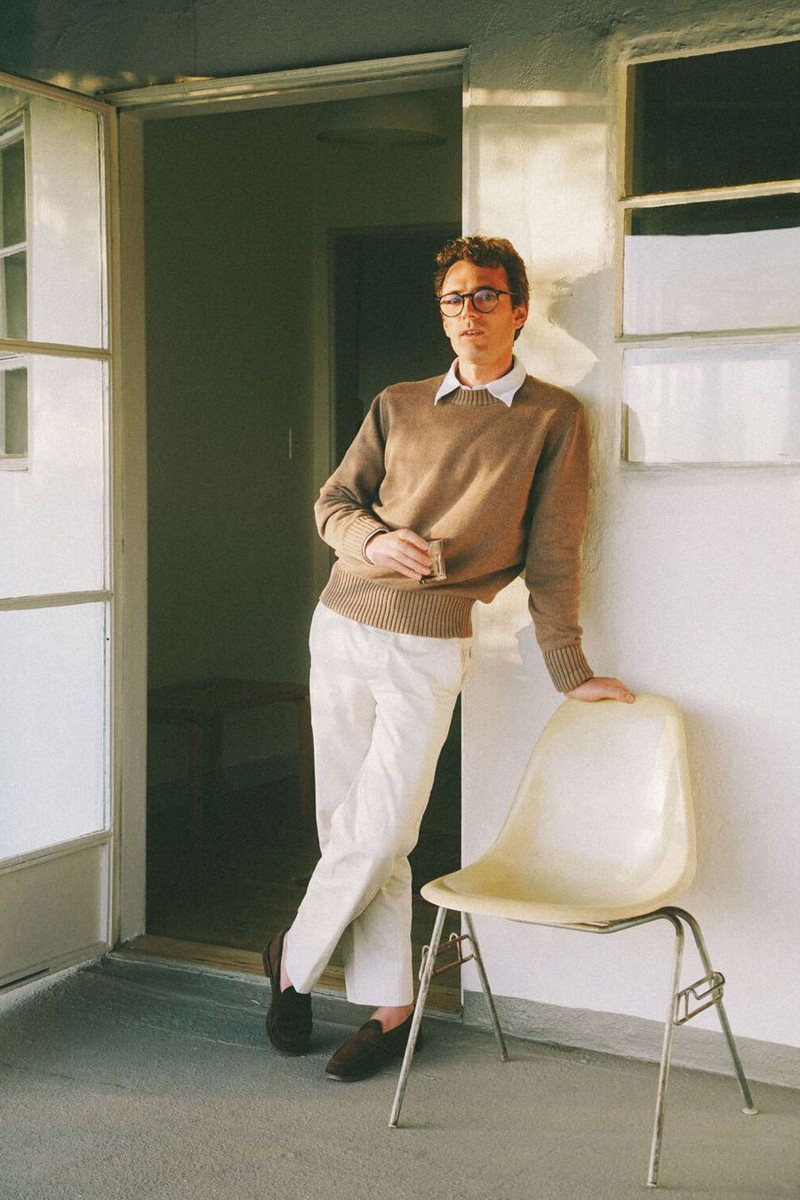
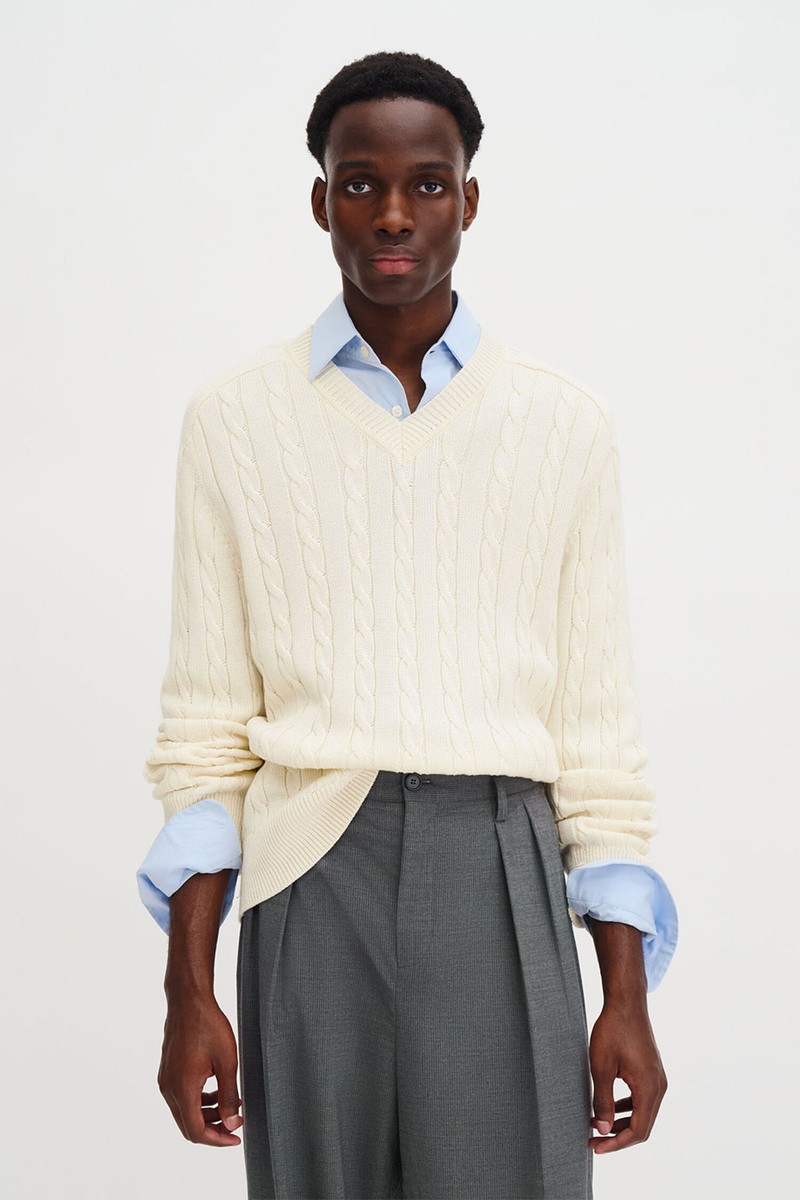
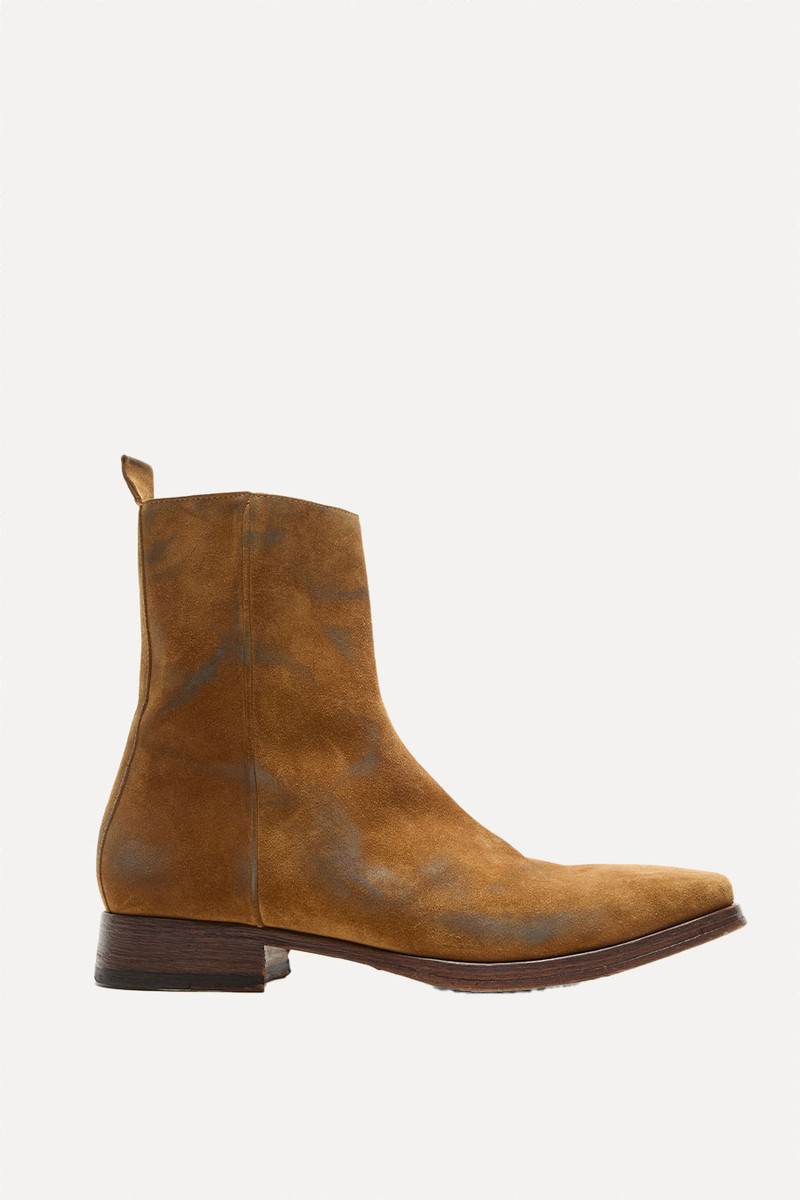
Oskar Jørgensen, Samsøe Samsøe: To me, Scandi style is a set of decisions that prioritise mobility and longevity. It comes from spending months dressing around wind, rain and temperature shifts. The style reads simply, but it is built on proportion, texture and finish. A brushed wool coat, denim with weight, a knit with depth, a well-cut T-shirt, a shirt that holds its shape. When it is done well, the clothes don’t shout, but they are never anonymous. There is always one intentional detail – a silhouette choice, a fabric, a single tonal contrast or a shoe that anchors the look.
Oliver Dannefalk, Rubato: It’s a clean look, usually quite dark and tonal. A lot of Scandinavian style is due to our geographical location. We're devoid of sun for much of the year and do not have such a colourful landscape, which manifests in pared-back design with a neutral, earthy palette. It's interesting how Scandinavian brands have been able to make a name for themselves, given the restraint. The less you have to work with, the more creative you have to become.
What’s the cultural background that informs the style?
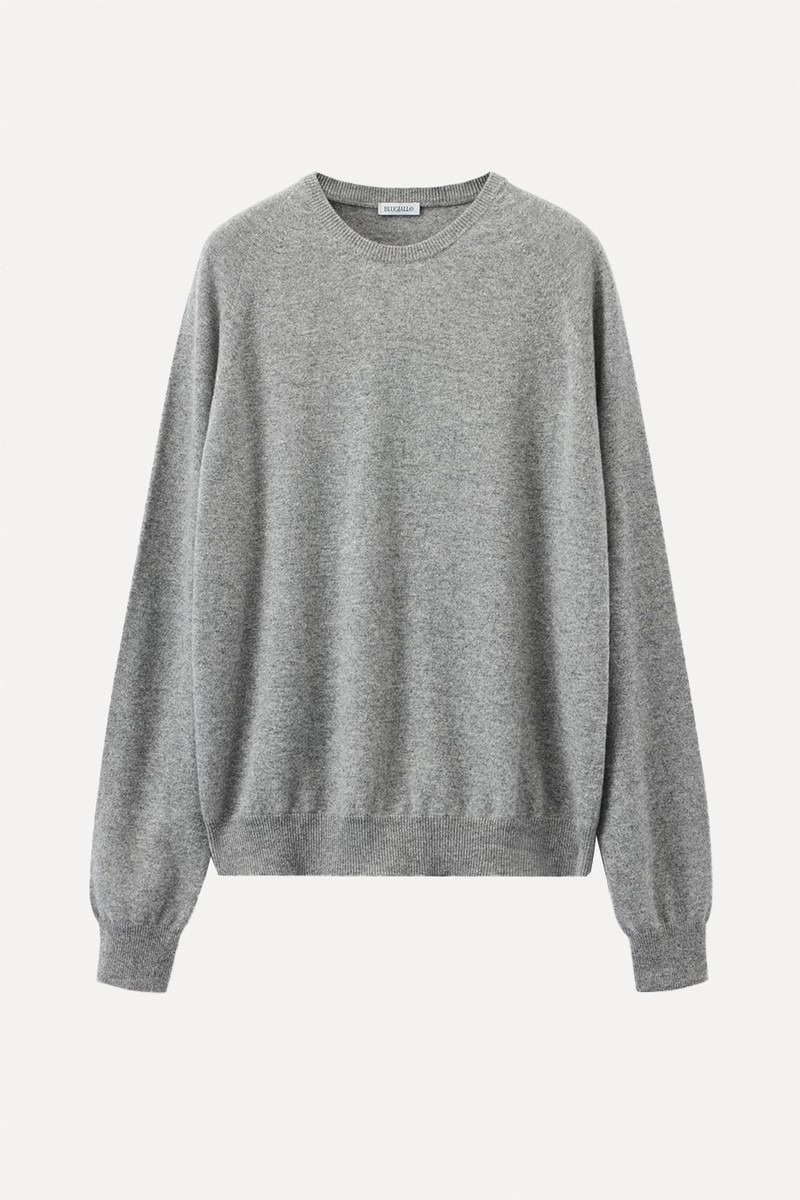
Alexander Moström, Blugiallo: For good (and bad), I think Swedes are reluctant to showcase themselves as too expressive, flashy or eye-catching. It relates to a cultural and historical upbringing of not being too loud about yourself. The ‘Law of Jante’ has shaped an egalitarian culture in Scandinavia for generations.
Any style icons who exemplify this approach?
Oskar: The most convincing icons for me are the Scandinavian people. Living in Copenhagen, I get to see the wardrobe logic on daily bike rides, in cafés, on public transport or around the lakes. You notice the repeatable foundation: coats and knits, and the current silhouettes of trousers and jeans. The base does most of the talking, and the details finish the job. Familiar silhouettes, but with a personal twist. That is where Scandinavian style really shows itself, and where everyday Scandinavians come across as iconic.
Alexander: Perhaps a style icon in a different sense, but for me the work of late Danish architect and furniture designer Hans J. Wegner has been incredibly influential and inspiring. I think his work captures a lot of the things we have mentioned. He’s curated so many iconic furniture pieces that exemplify a perfect balance of what makes Scandinavian design great. The quality, the natural, lightly finished materials, and the earthy colour scheme – while being bold and innovative in his design approach – are perfection to me. It is truly mind-blowing how his work stands the test of time.
When did you come to appreciate the Scandi approach?
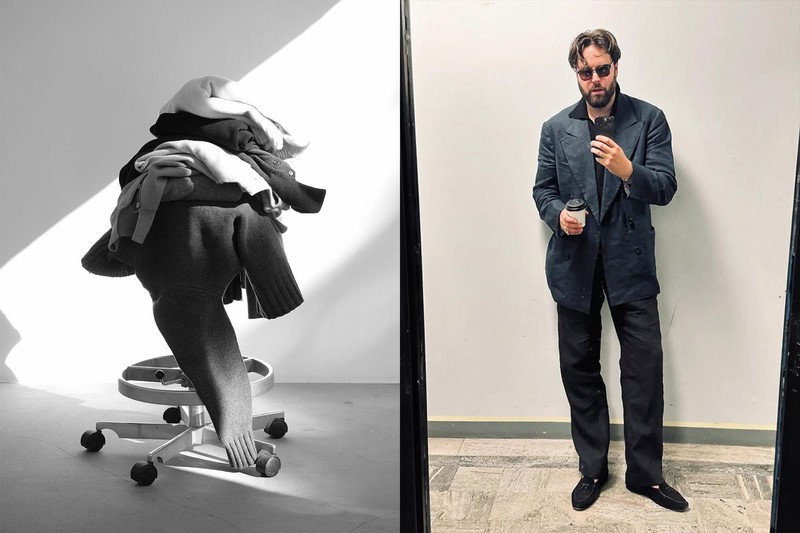
Oskar: When I was younger, I tried a lot of different things, and I thought I would find my style through statement pieces. As I got older, the value of simplicity became clearer to me. Some of the most respected food cultures show what happens when you work with fewer elements and focus on quality.
Alexander: From the first pieces of IKEA furniture I selected for my boyhood room, it just became a natural part of how to approach anything creatively when elements of design, shape and colour were quite limited.
Why do you think Scandi style has broken out internationally?
Oskar: People are looking for clothes that feel relevant without being disposable. Scandi style offers that balance. It is contemporary, but it is not obsessed with constant change. You can build a small wardrobe and get a lot of mileage. That matters when people want to buy fewer, better things, and still look modern. I also think it resonates because it reflects something people associate with Scandinavian societies more broadly. A preference for simplicity over excess, trust over show, and a quiet sense of equality where you do not need to signal status loudly. Scandi style becomes a visual symbol for those values. It looks calm, capable, unforced, and reads as its own kind of confidence in a louder global cultural landscape.
Oliver: It’s easy to approach from all angles and price ranges. Using a good basic, in a tonal colour, is something most people can do. There is also something quite serious about Scandinavian style, which makes it something to count on and something that is unlikely to go wrong.
Alexander: Perhaps it is because we live in a faster, louder, heavily social media-inspired world where everything feels noisier and more expressive to catch our attention. A more understated approach acts like an oasis, creating a calm, tranquil feeling in the mind.
/https%3A%2F%2Fslman.com%2Fsites%2Fslman%2Ffiles%2Farticles%2F2026%2F02%2Fsl-man-040326-scandi-dressing-credit-rubato-blugiallo.jpg)
What role have Copenhagen Fashion Week and social media played in this?
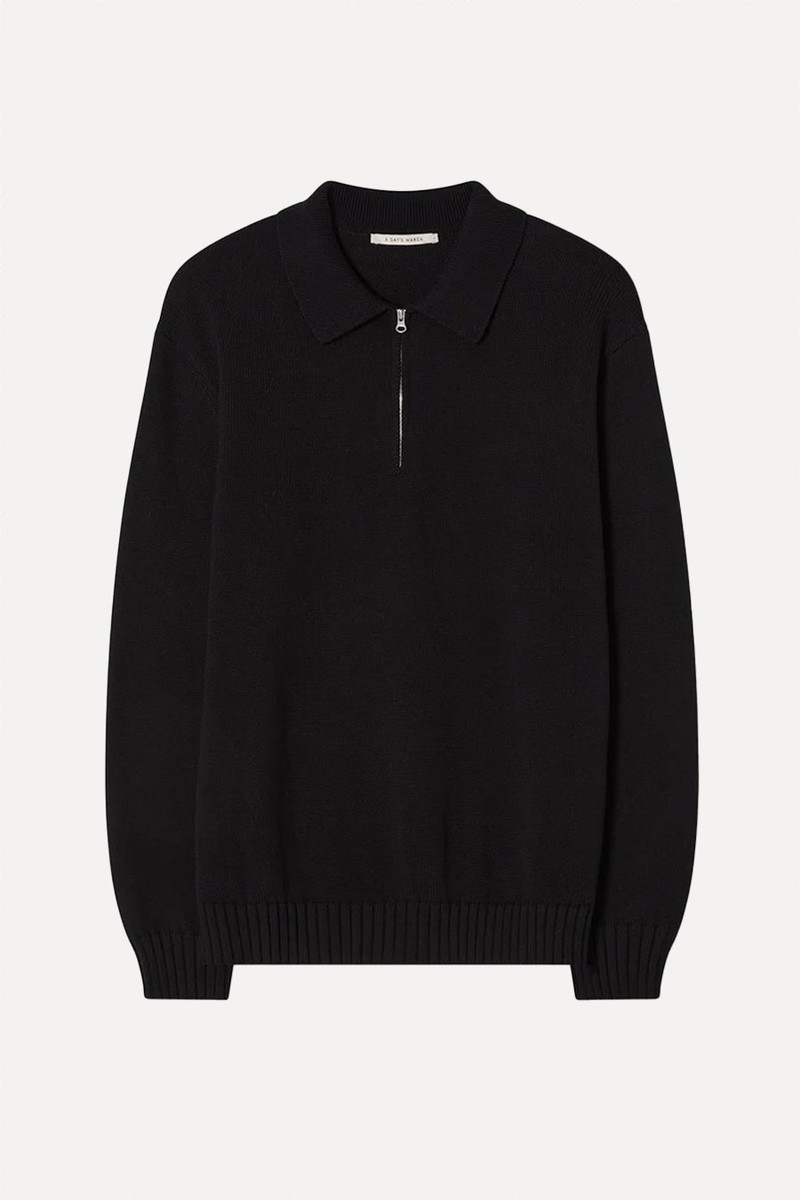
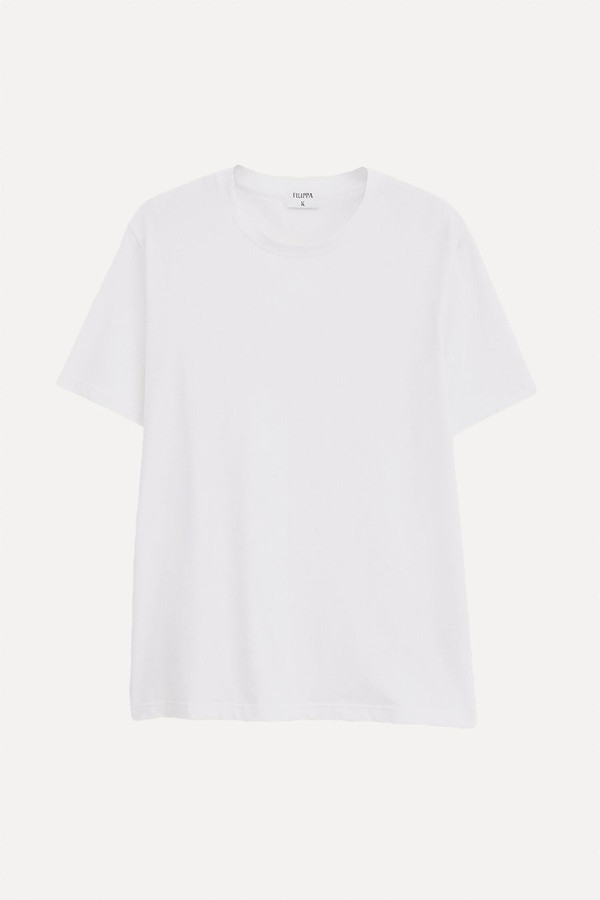
Oskar: Copenhagen Fashion Week has helped frame Scandinavian fashion as a coherent design culture, and its sustainability requirements also helped position the week as more than pure spectacle. Social media has made the Scandi look easy to recognise from anywhere. The upside is reach. The downside is simplification. The image travels without the logic behind it. The world sees the uniform cues, the coat, the knit, the clean T-shirt, the open shirt, the wide trousers, the quiet tones, and will adopt these as a trend. But in Scandinavia, these elements are a natural part of a long-term wardrobe ecosystem.
Alexander: They’ve played a huge one. I think Swedish and Scandinavian brands have struggled historically to reach outside our own region. They have enabled young creatives and entrepreneurs to dream bigger, and to inspire and influence people on a much bigger scale. It is also interesting to see that a lot of successful Scandinavian fashion brands reach their success not necessarily through conquering their home soil first, but rather by appealing to an international crowd and larger markets from the start.
Are there geographical differences within Scandi style?
Oskar: Shared principles with different accents. If I simplify, Denmark tends to be classic with a hint of play, Sweden often reads a bit cleaner and more edited, Norway a bit more practical, and Finland slightly more daring. But that is a broad generalisation.
Alexander: Generally speaking, Sweden and Denmark have two notably different design approaches, whether it be fashion, architecture or interior design. I think most of it reflects the cultural aspects of Denmark and the Danish people being slightly closer to Central Europe. I find Danish design to be a bit more bold and expressive, whereas Swedish design tends to keep things simpler and timeless in a sense.
/https%3A%2F%2Fslman.com%2Fsites%2Fslman%2Ffiles%2Farticles%2F2026%2F03%2Fsl-man-how-to-dress-like-a-scnadi-credit-blugiallo_0.jpg)
Tell us about some of your signature pieces that embody the Scandi style…
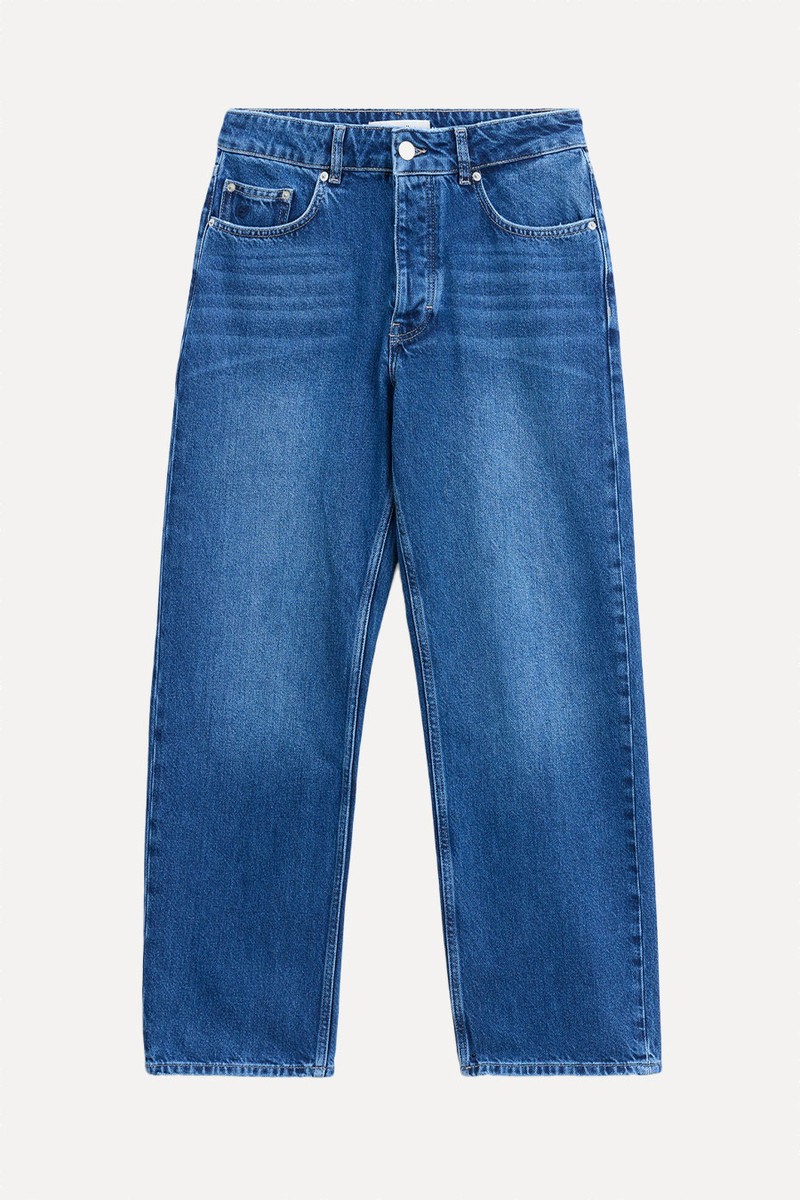
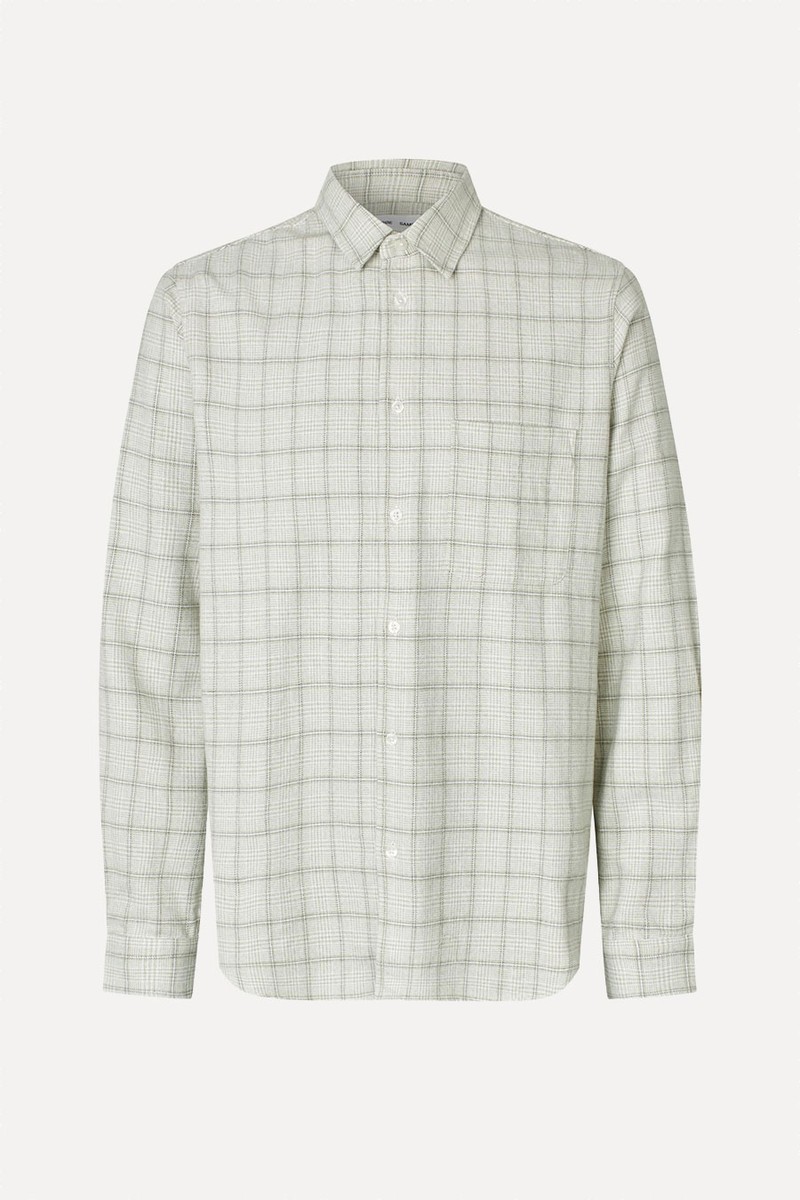
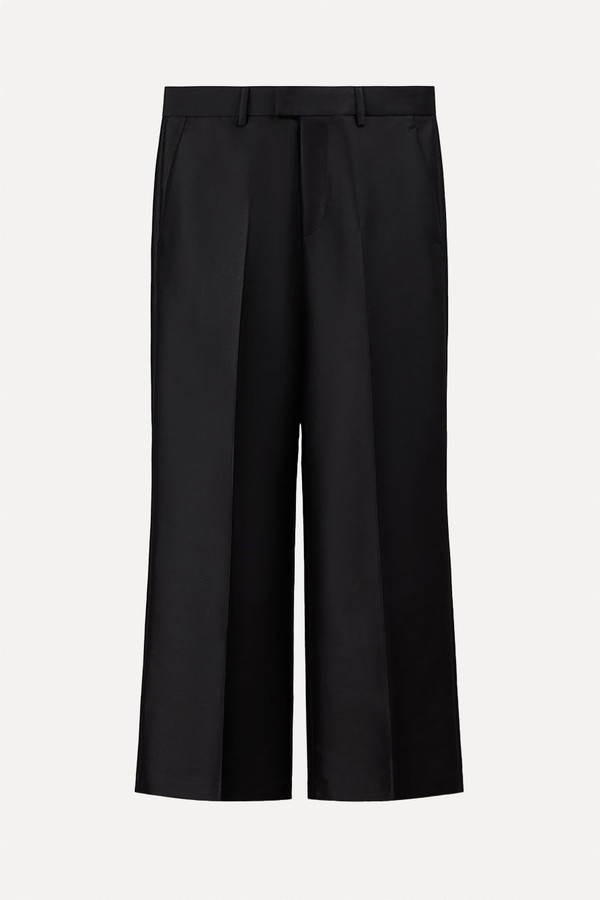
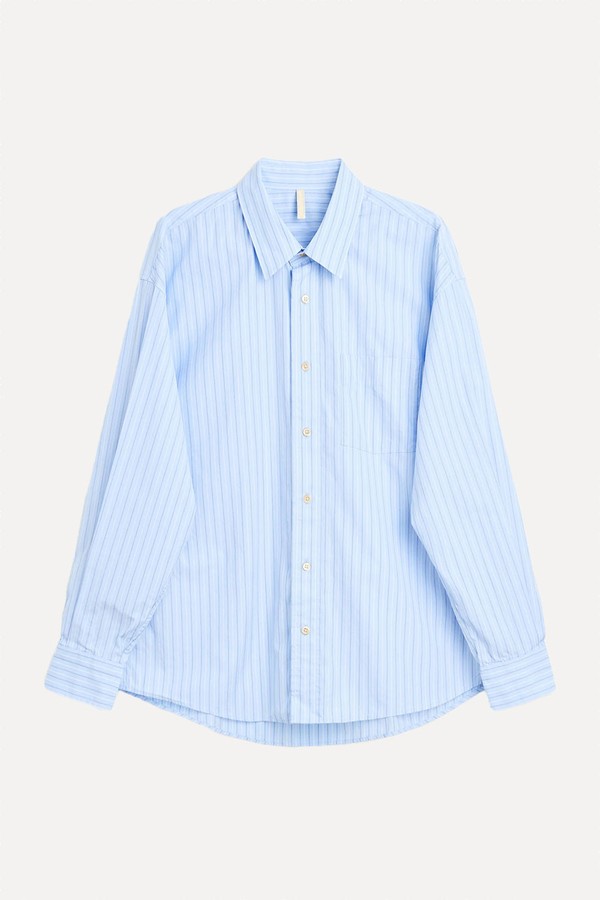
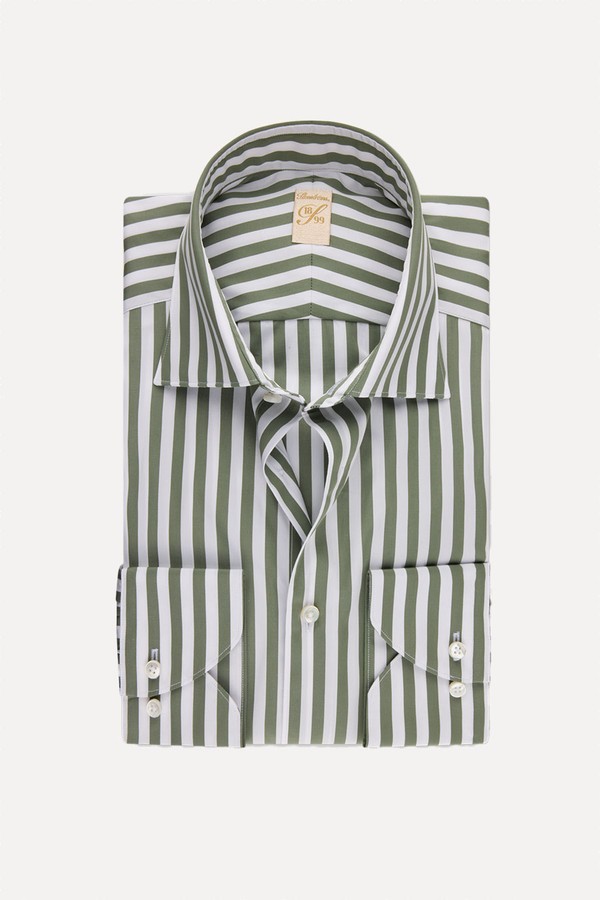
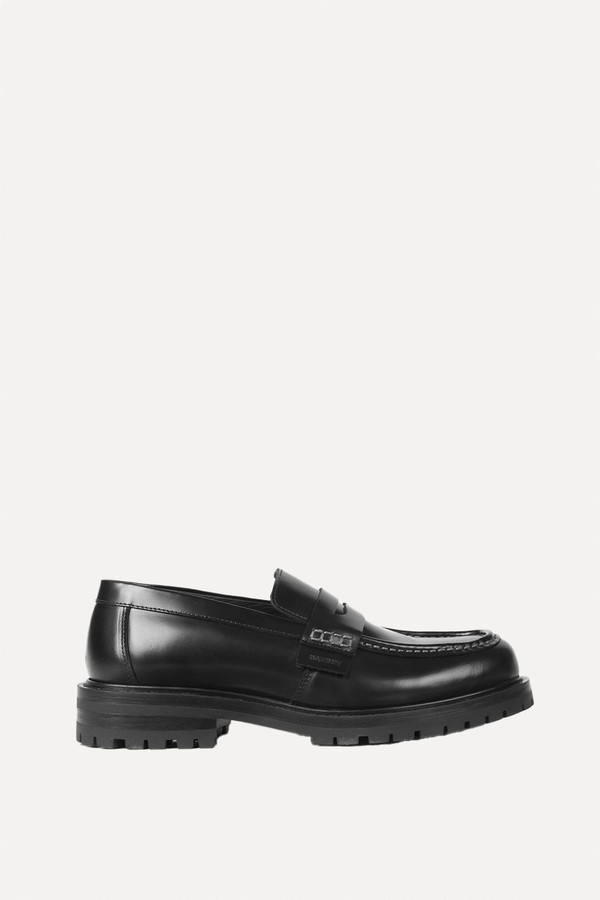
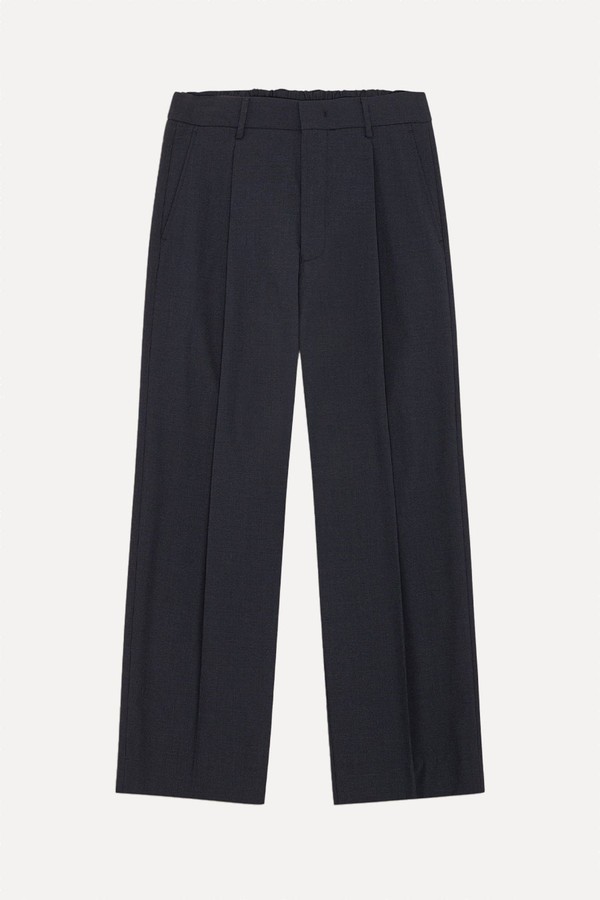
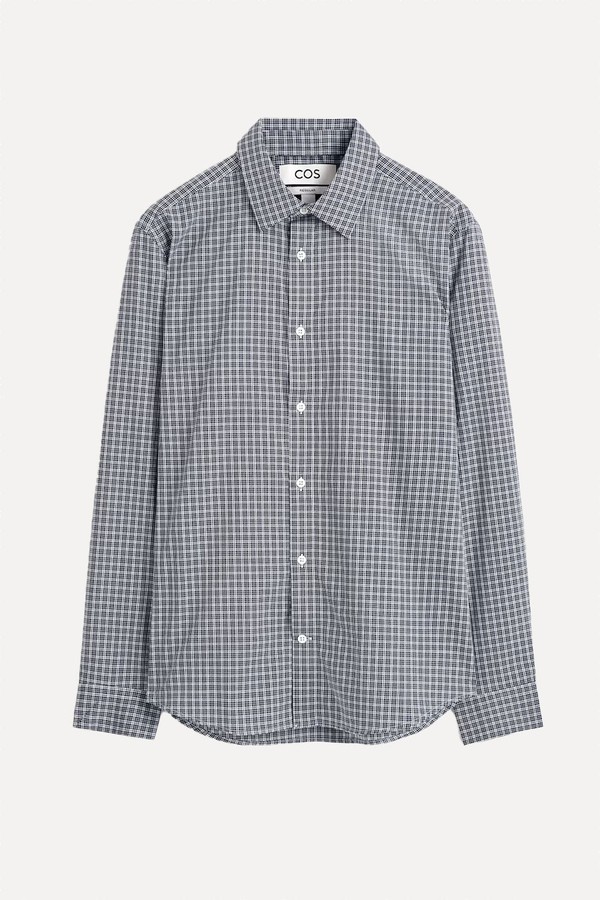
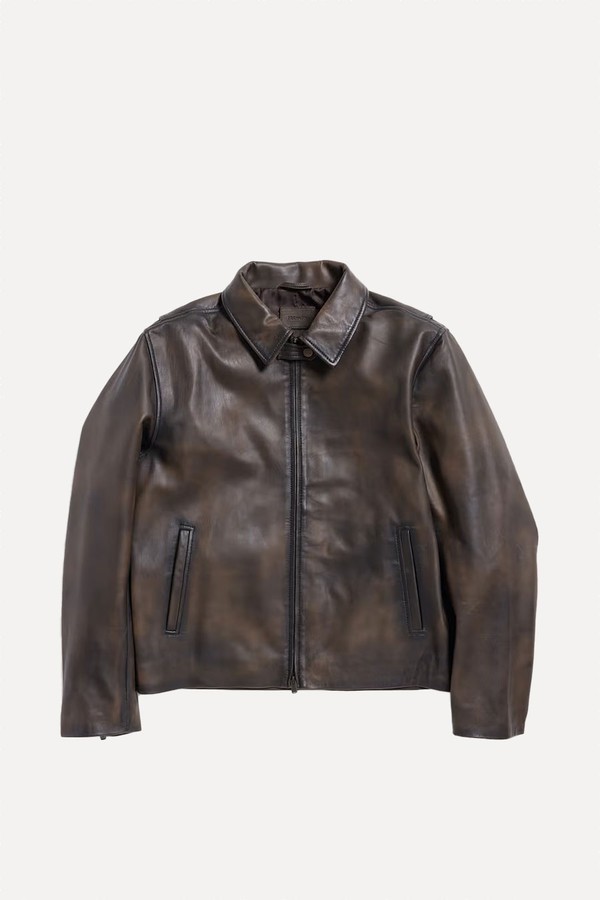
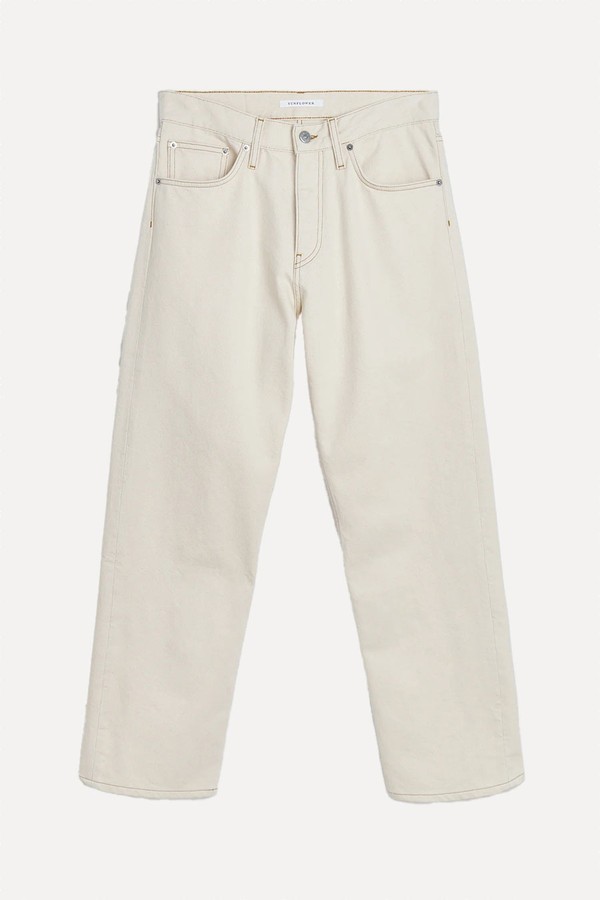
Oskar: Outerwear comes first, usually a jacket you reach for repeatedly because it works with almost everything. Something like the Samsøe Samsøe Sarobin Jacket. It comes in a range of colours, is often refreshed in seasonal tones, and goes with everything. A shirt acts as a flexible layer – I reach for my Saryan shirts all year round. And then you land on trousers and denim, because that is where you set the proportion, like the Sanoah trousers or Saeddie relaxed denim.
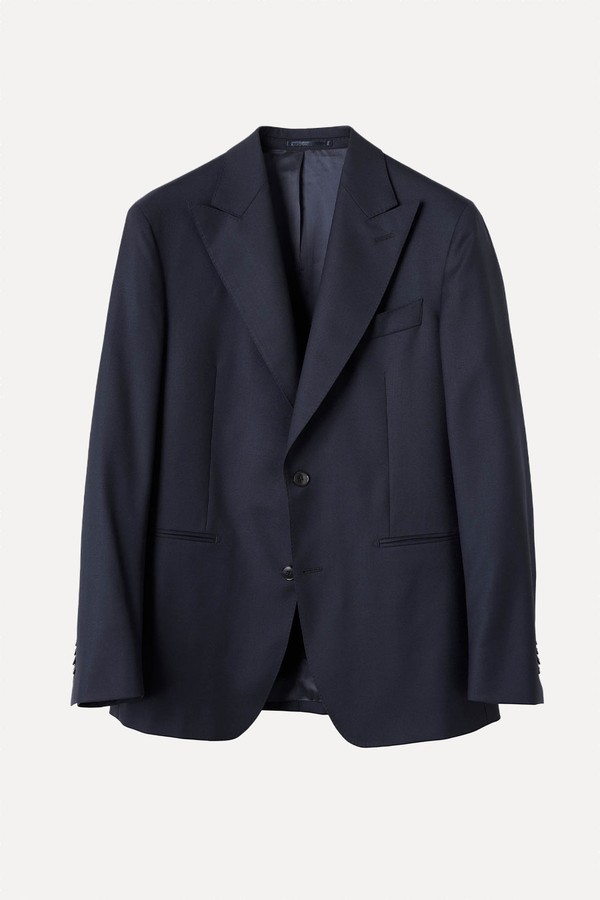
Alexander: The ’Signature’ Tailoring collection we carry is completely uncompromising in terms of fabric and material. The colour palette is always muted and tonally styled. It is also designed with a free-flowing cut and fluid drape, where each piece highlights the beauty and character of the cloth. Timeless in one sense, but always with small, contemporary details. If I were to choose one single piece from our SS26 collection, it would be our handmade Aérien suit cut from an incredibly light, airy wool and silk fabric with beautiful handwork. It is an example of a piece that you truly understand once you wear it.
And one final Scandi tip for dressing well?
Oskar: Respect your existing wardrobe. Before you buy something, ask a simple question: can I wear this three different ways with what I already own? If the answer is yes, it will earn its place.
Oliver: Make sure you’re comfortable, and focus on quality over quantity.
Alexander: I think trusting who you are and what makes you feel great is key. If you don’t know it yourself, consult someone who can help and inspire you with this process, as it is well-invested time.
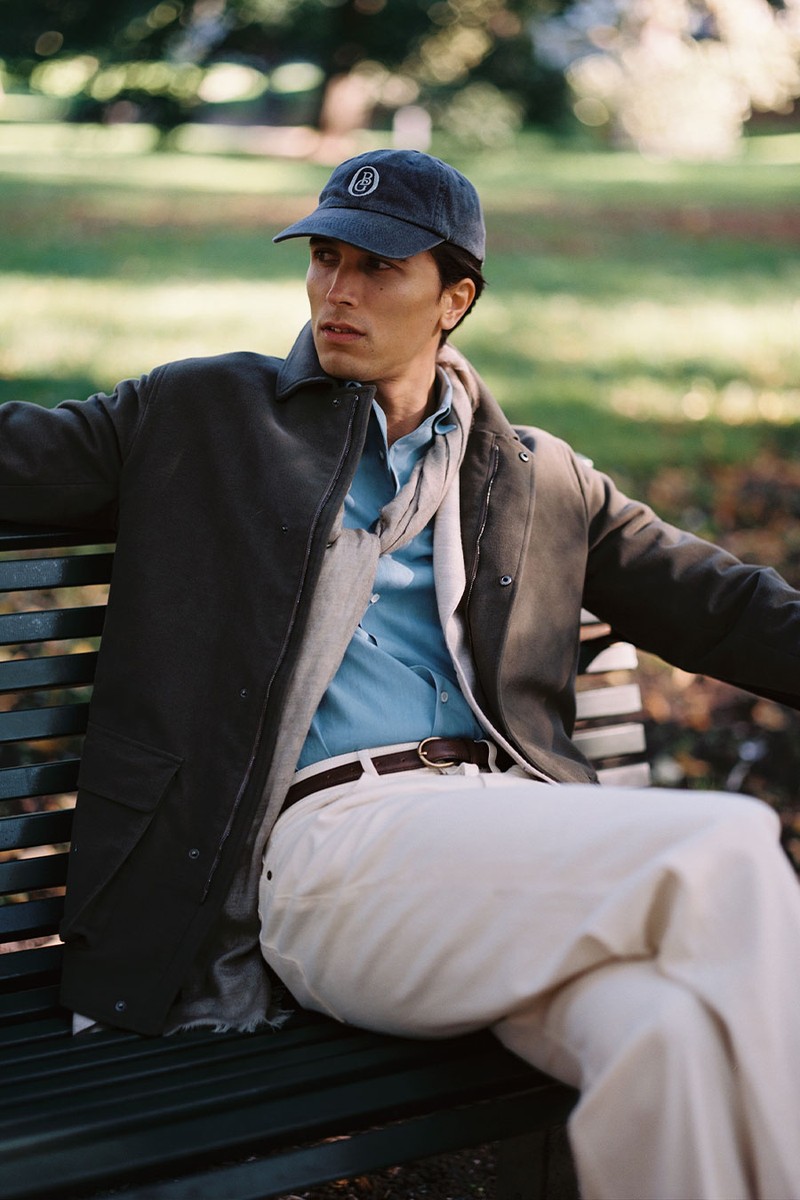
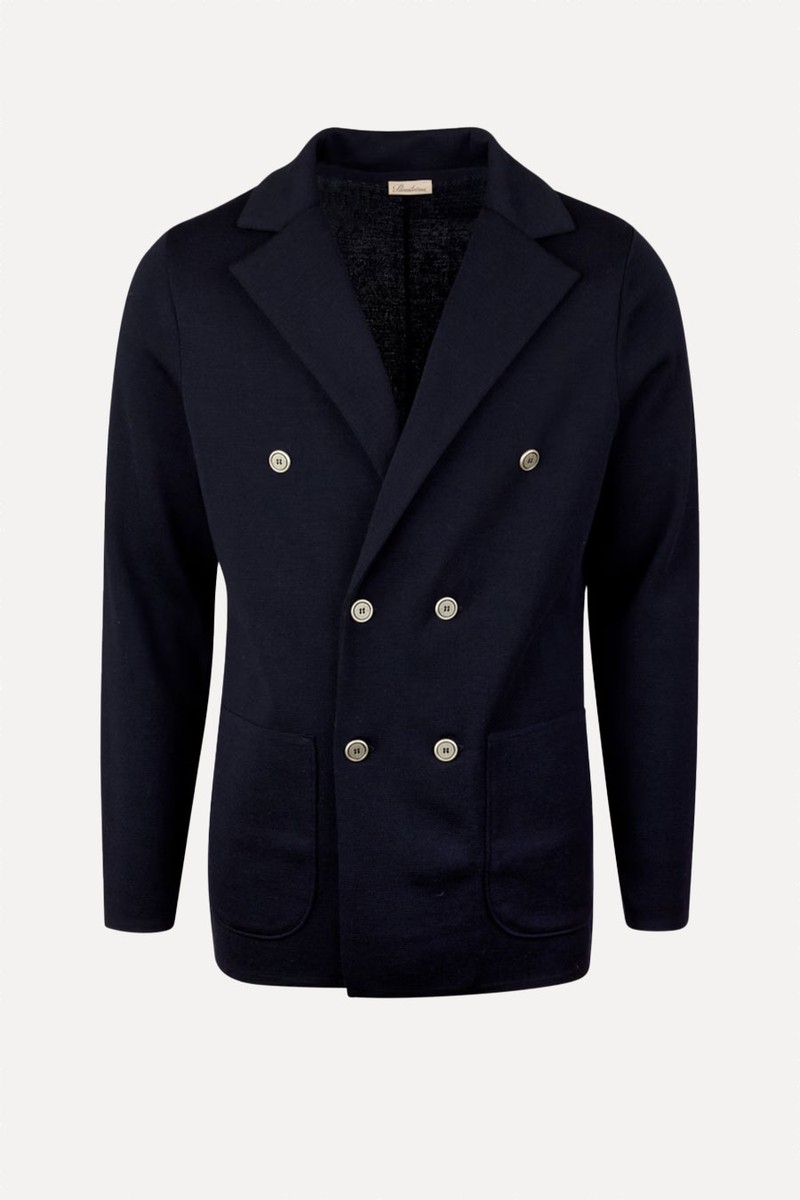
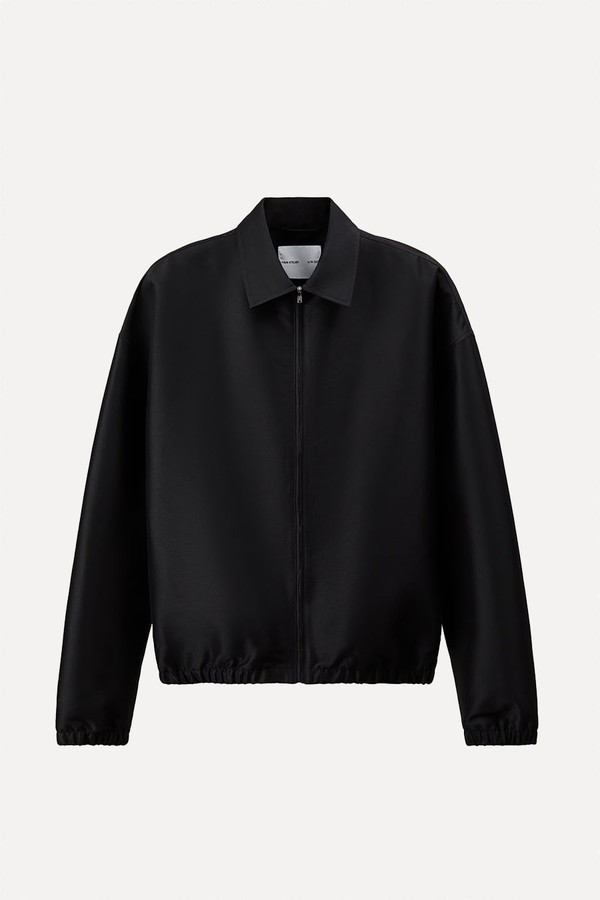
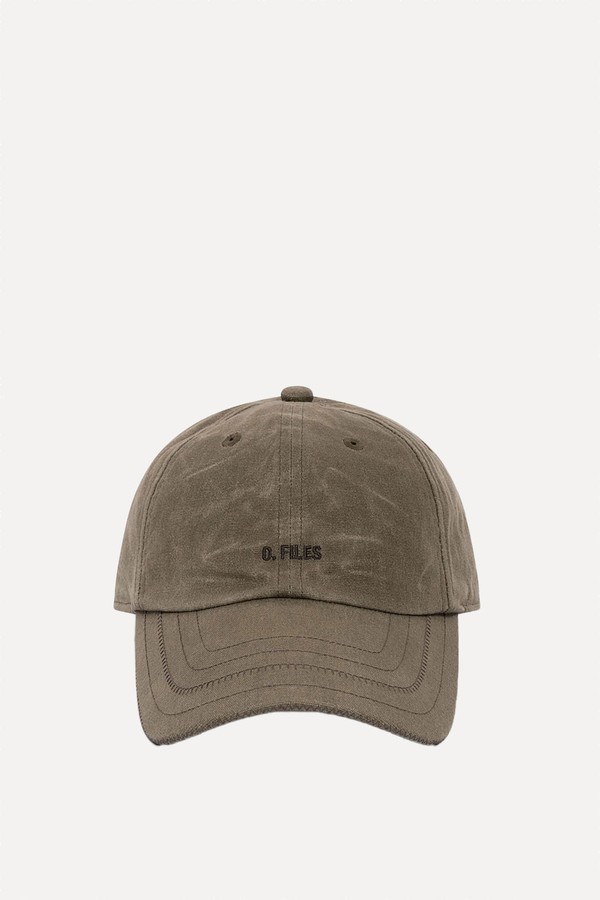
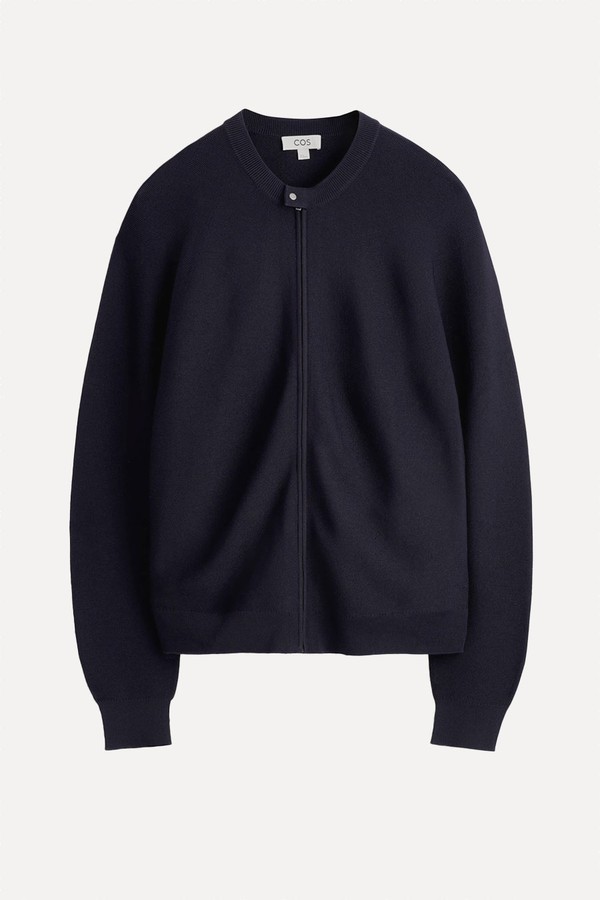
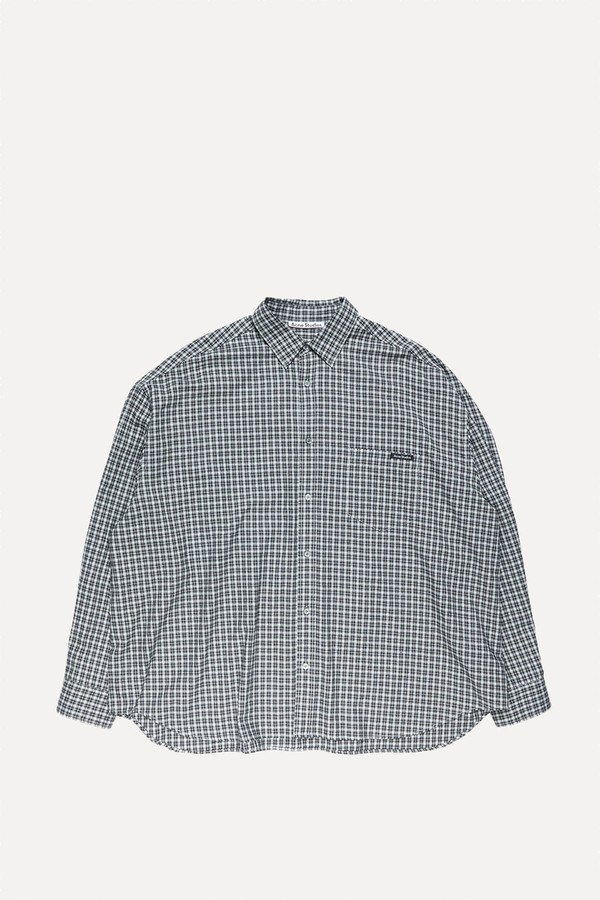
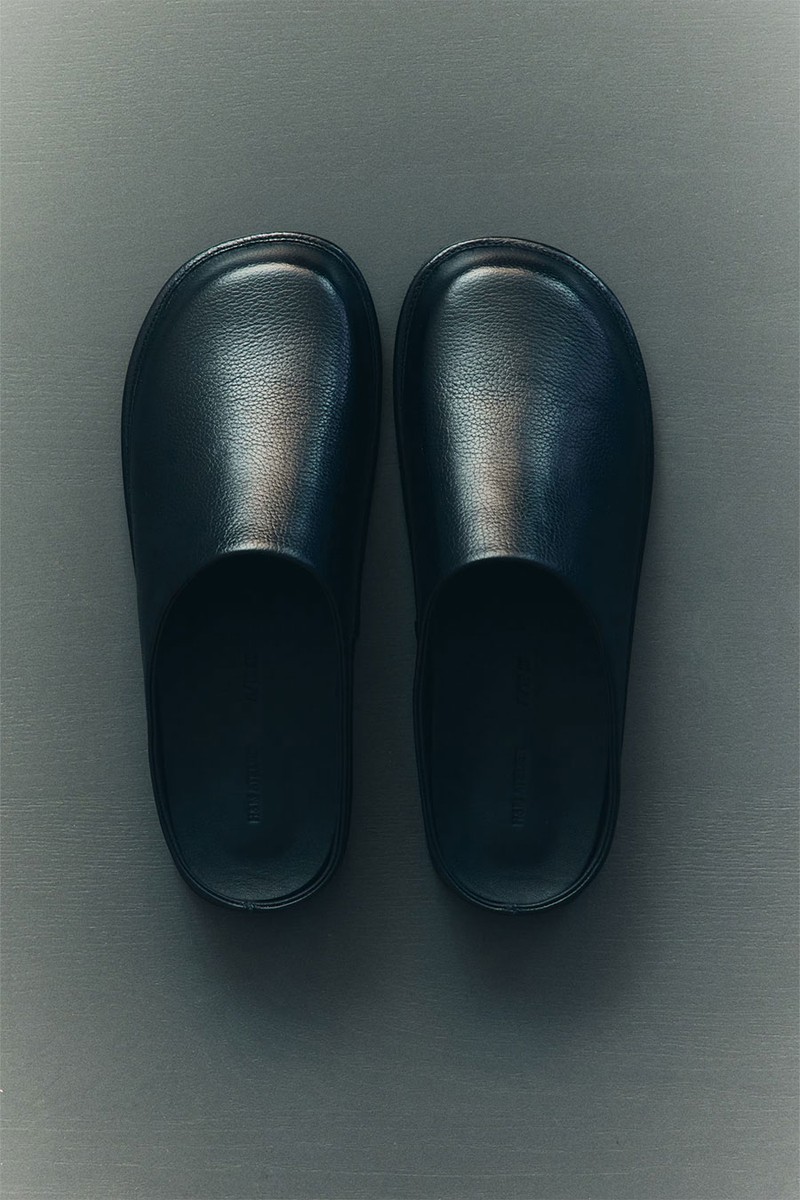
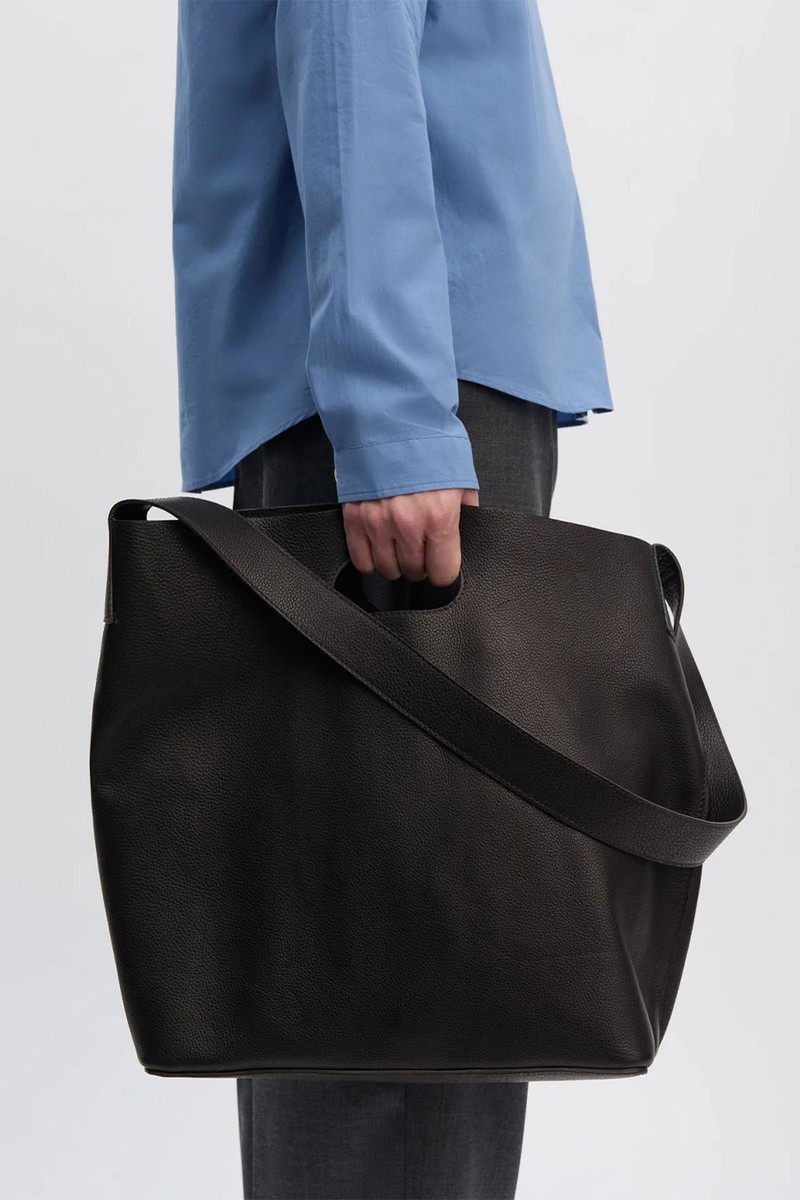
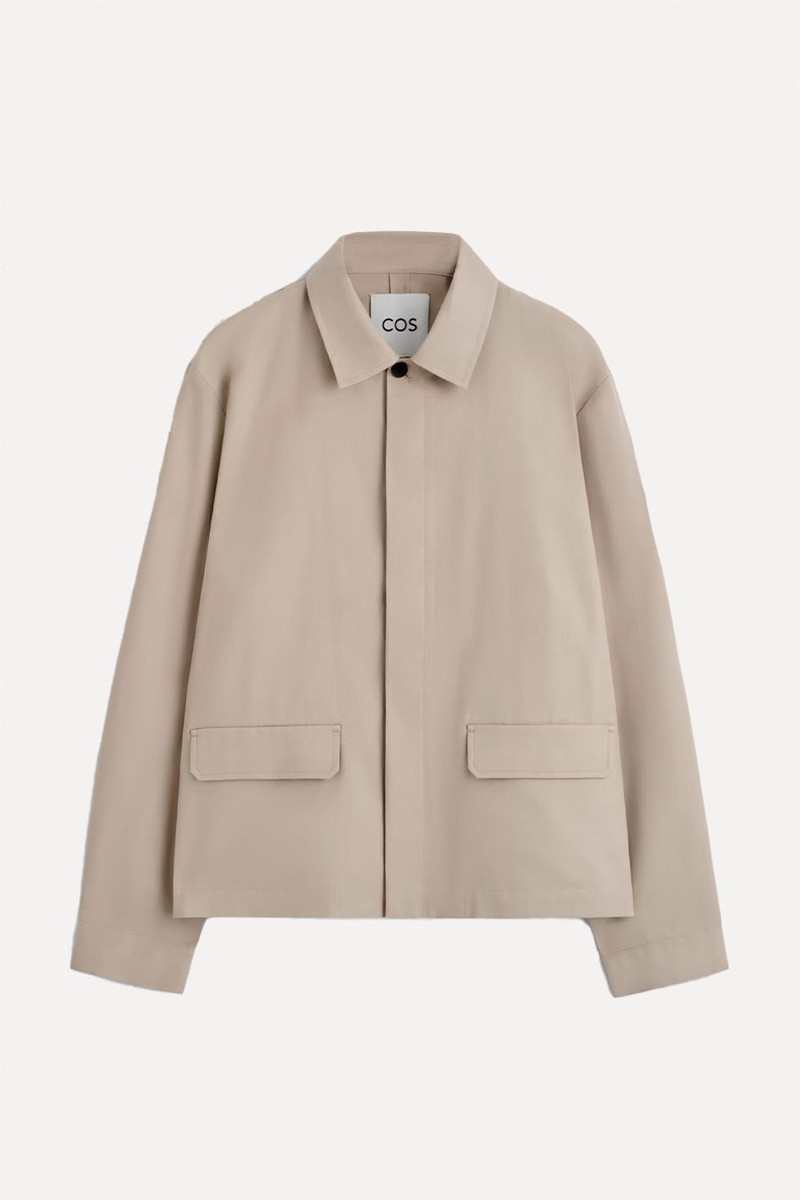
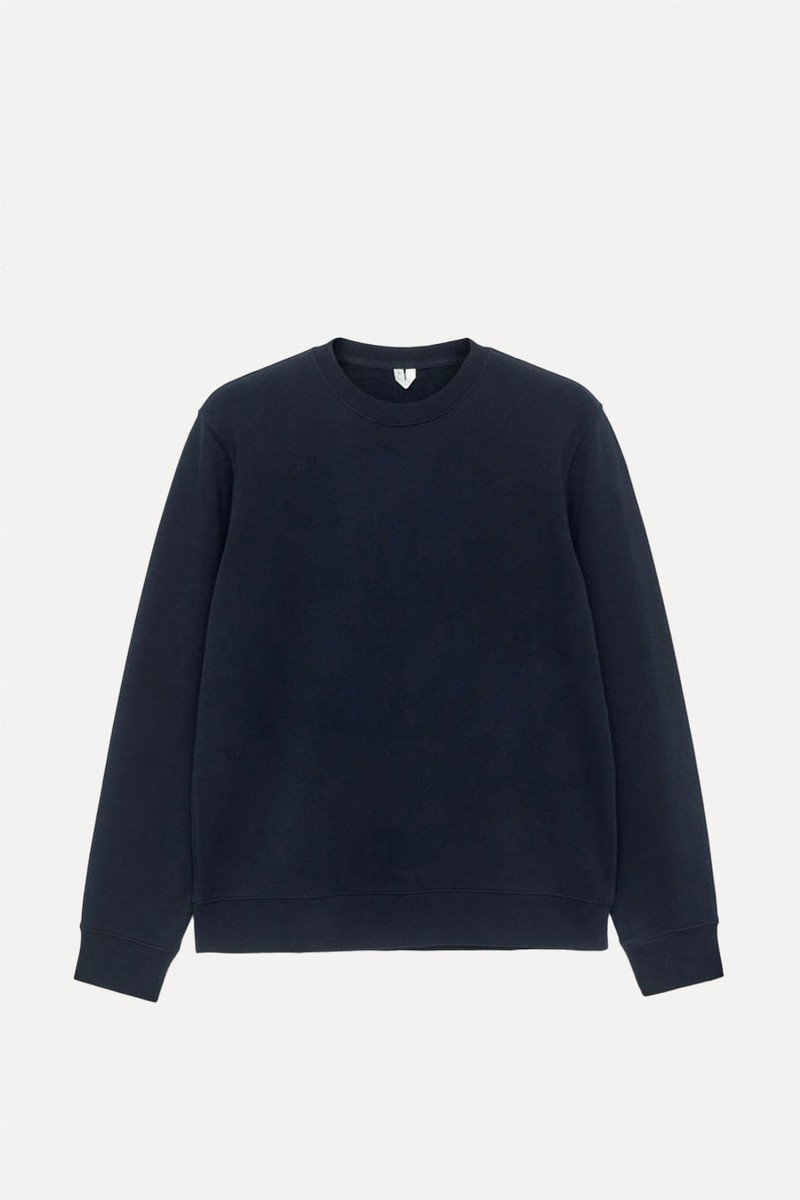
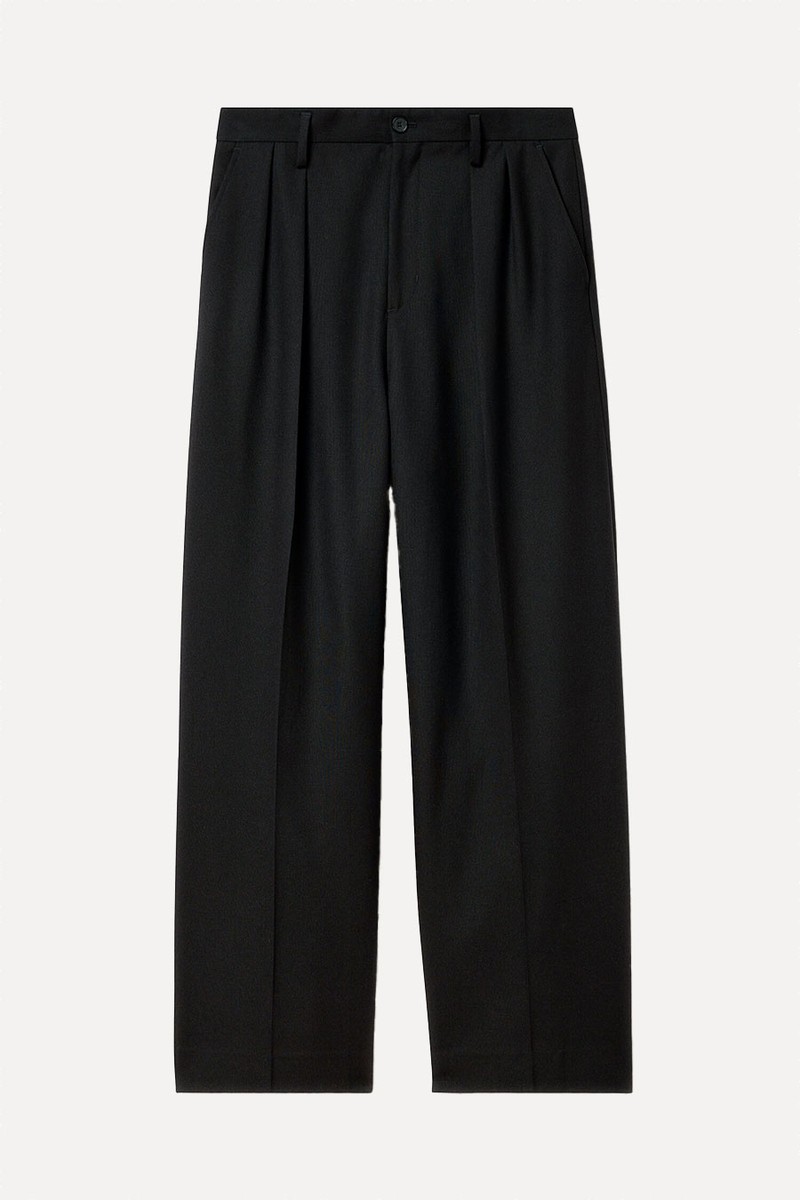
SHOP THE EDIT
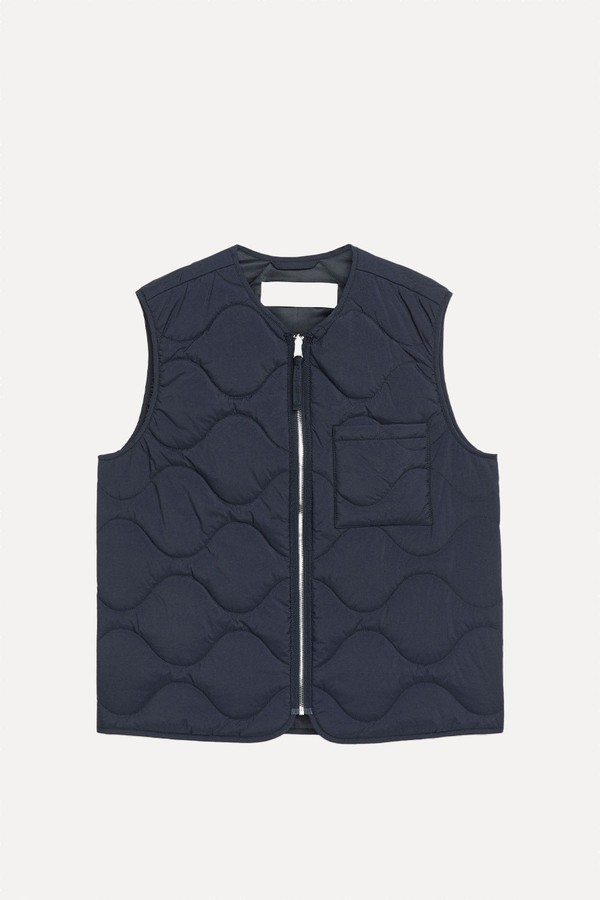
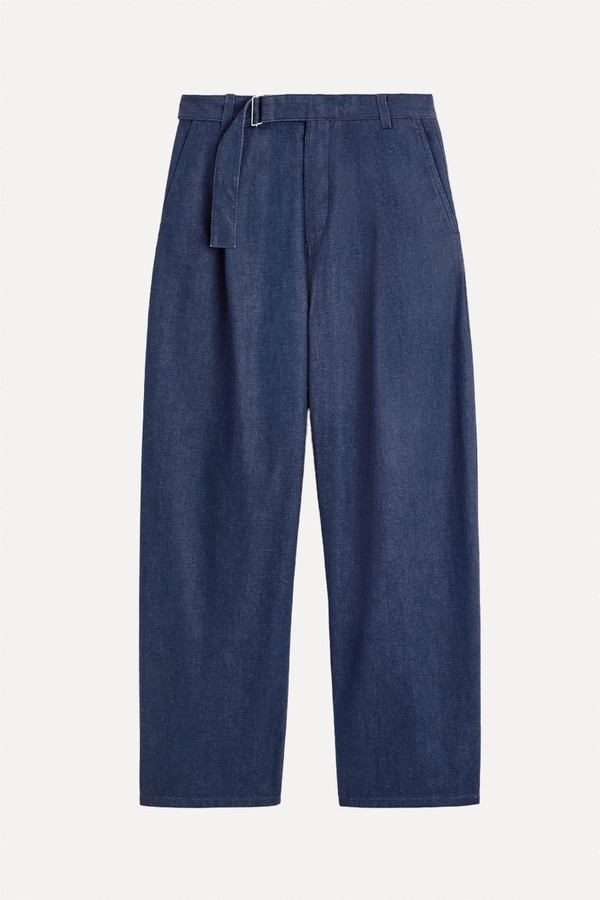
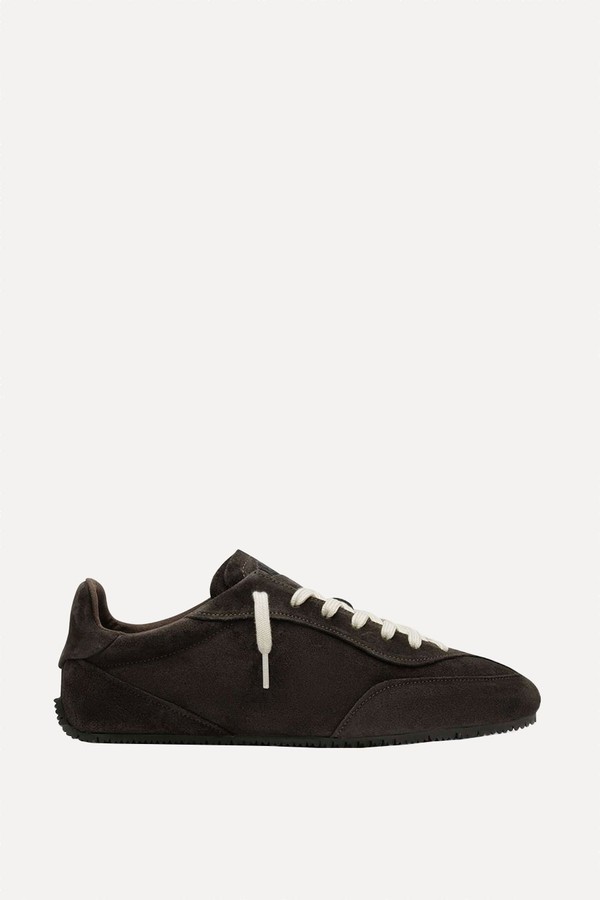
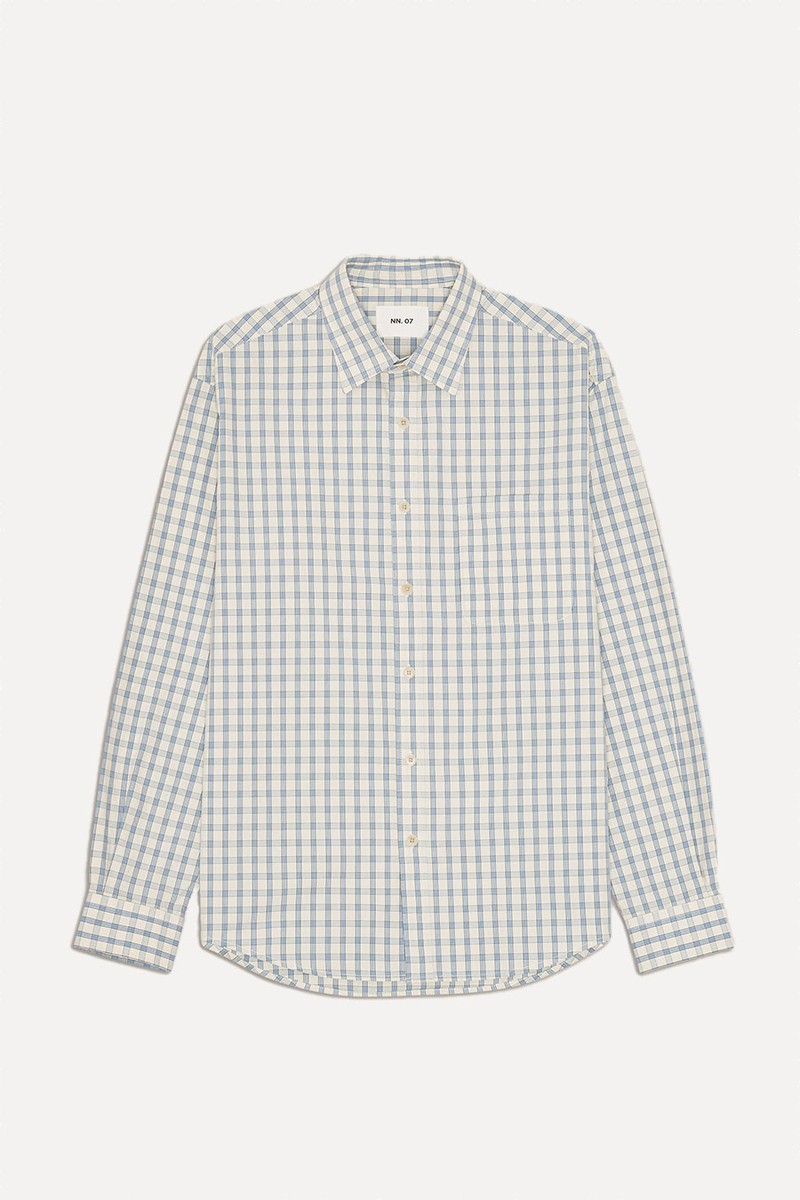
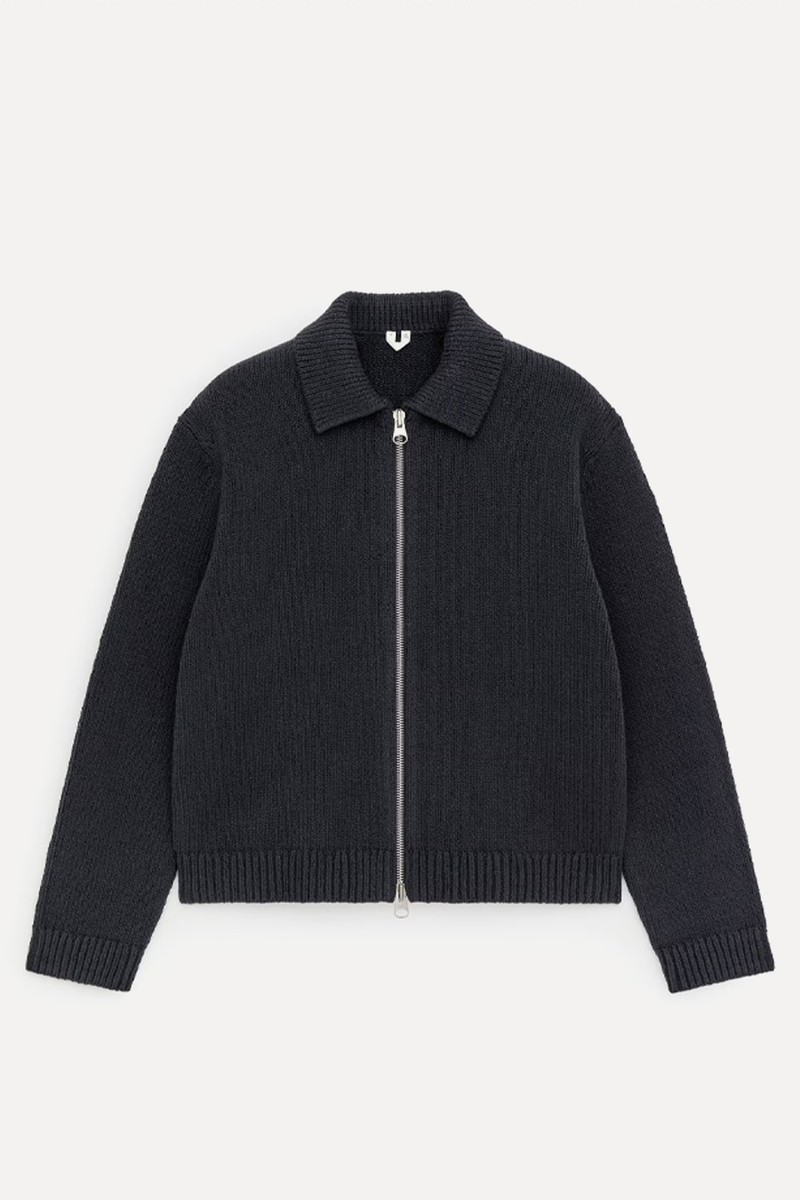
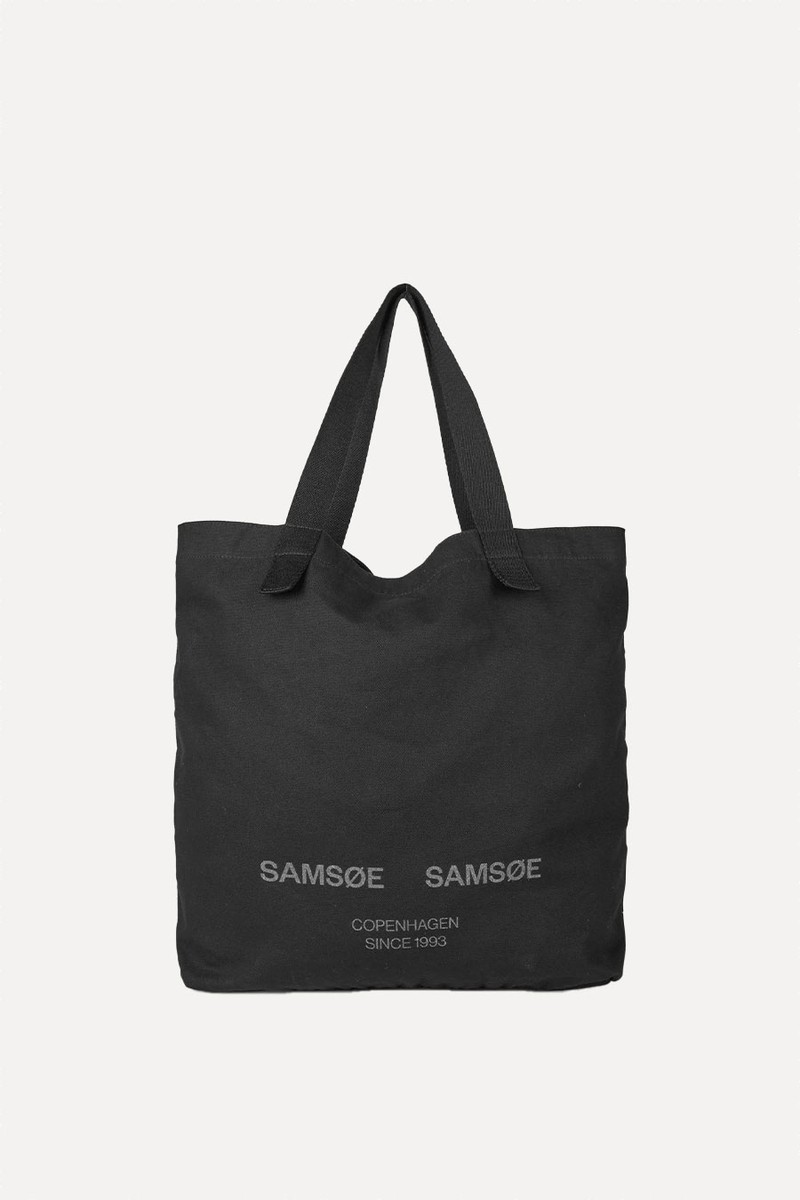
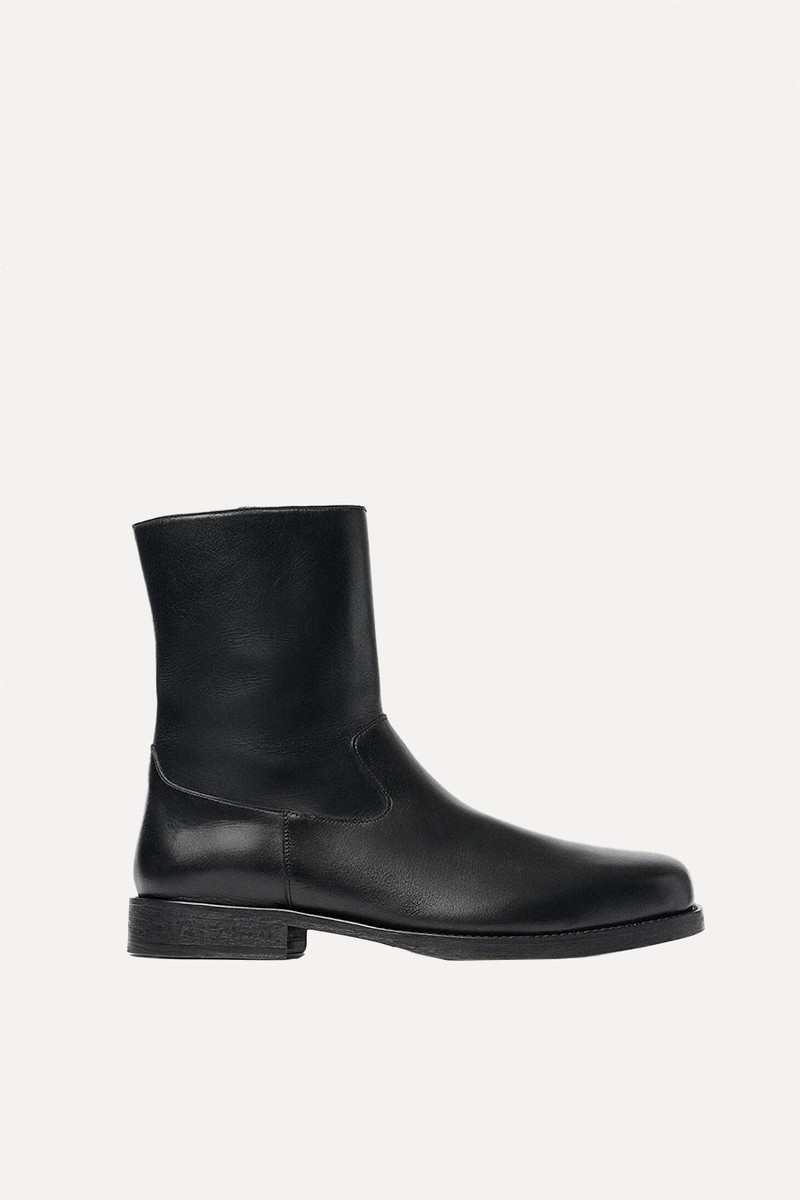
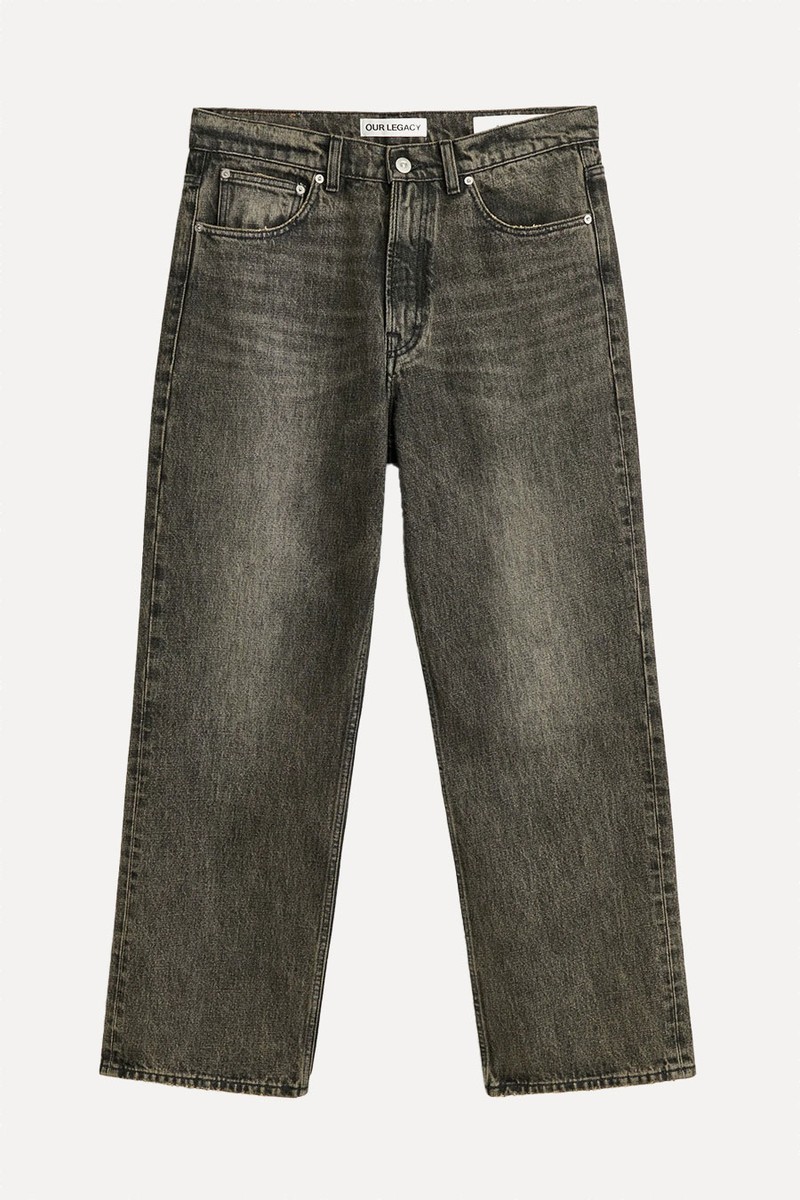
All products on this page have been selected by our editorial team, however we may make commission on some products.
DISCLAIMER: We endeavour to always credit the correct original source of every image we use. If you think a credit may be incorrect, please contact us at [email protected].
/https%3A%2F%2Fslman.com%2Fsites%2Fslman%2Ffiles%2Fwebsite-images%2F2026%2F10%2Fslman-full-bleed-reversed.jpg)
