Trend Report: How The Countryside Became Cool
What’s going on?
Crunchy gravel drives, sprawling formal gardens, family trees with their roots in the Domesday Book – British country life has often been aspirational, but it’s rarely been cool. Not even when Britain’s been cool.
Noel Gallagher in Downing Street. New Labour taking over Islington. Hugh Grant in Notting Hill. The Three Lions at Wembley. The Cool Britannia of the 90s was really a London phenomenon. The city and everyone in it was going places. The countryside, when it appeared, was a punchline. Exhibit A: Blur’s ‘Country House’.
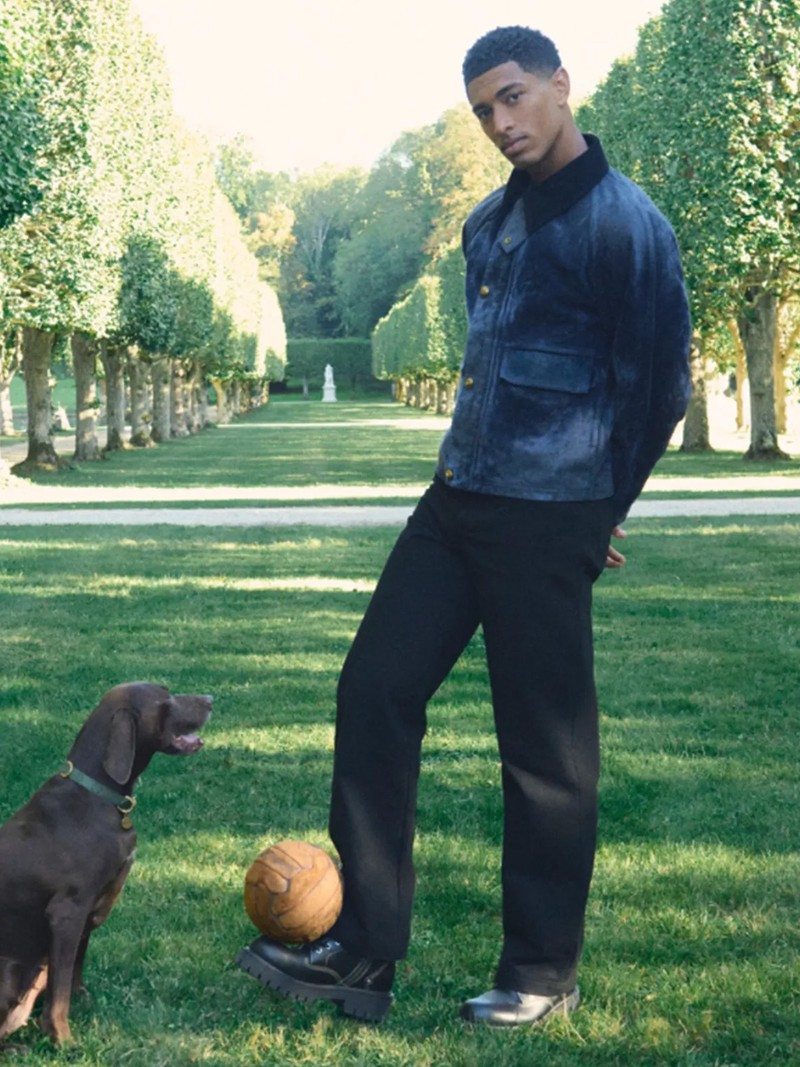
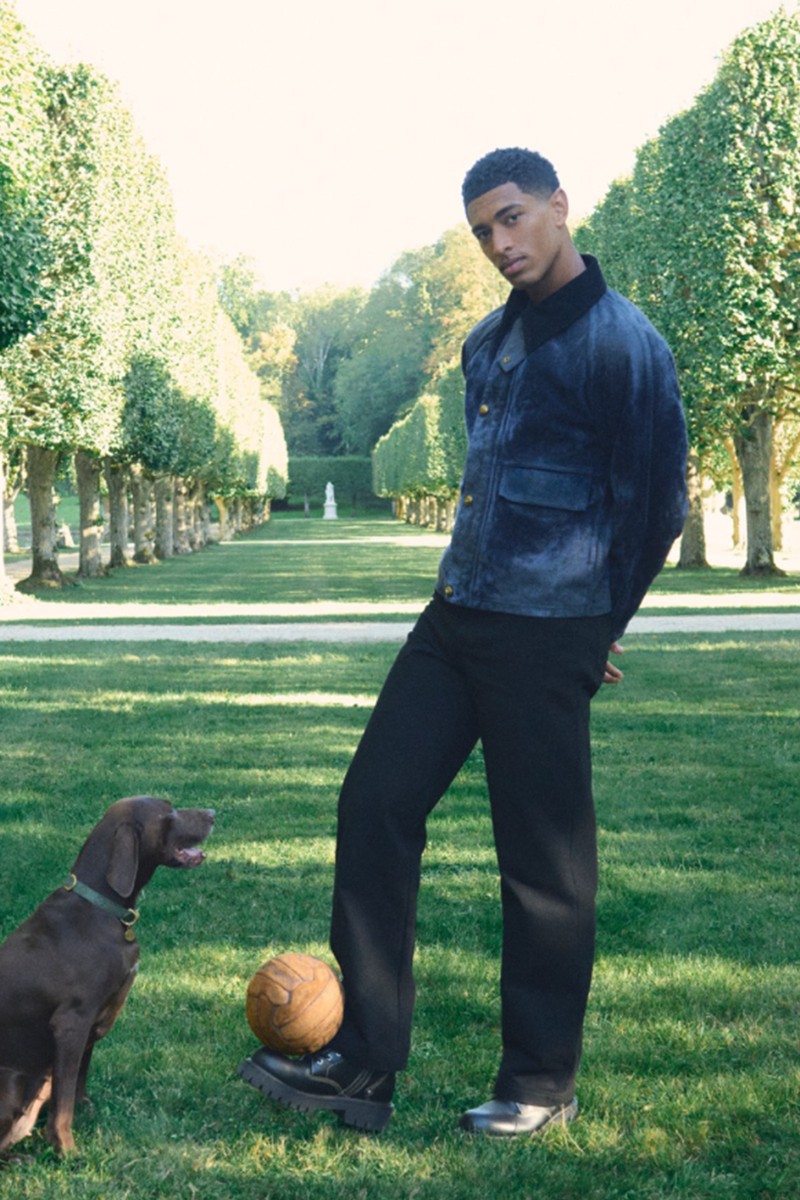
Cut to the present. Louis Vuitton has just packed one of today’s Three Lions off to a country house for its SS26 pre-collection campaign. A luxury fashion brand tapping into aristocratic British style isn’t new, but Jude Bellingham isn’t out on his own in the sticks.
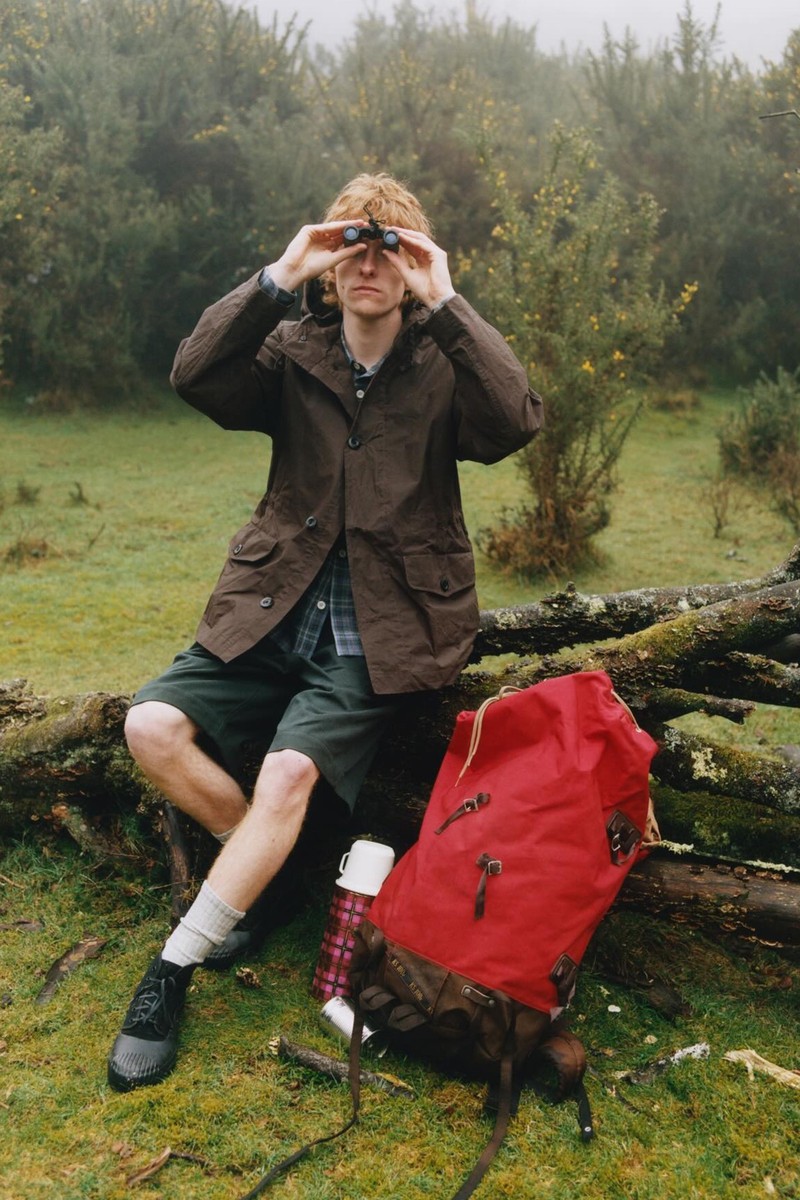
Cult indie designer Kiko Kostadinov recently marked the opening of his east London store with a new sub-line, Dante, named after his dog and inspired by the British countryside. Riding jackets, Balmacaan coats, Hunting trousers and even Gaiter trousers featured. Another Dover Street Market staple, Junya Watanabe, has made a splash this season with a trio of statement woollens. Andrew Garfield has been seen in SS Daley’s similarly wholesome cardis.
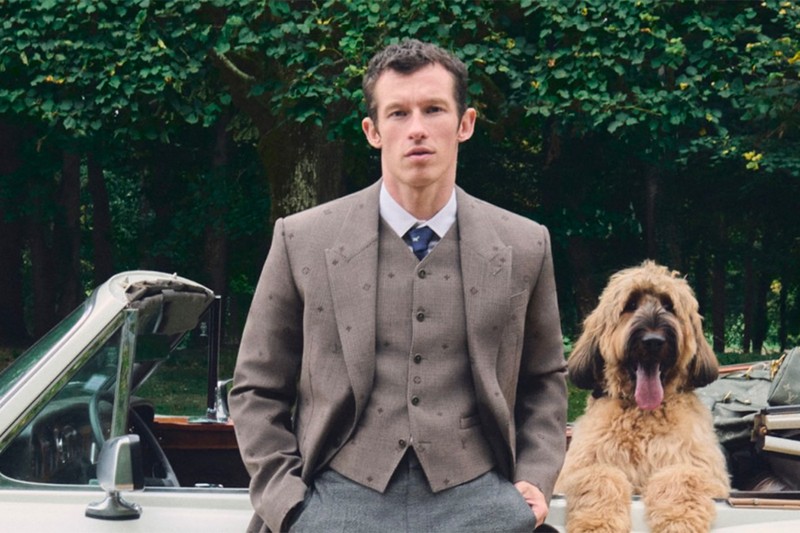
Conkers is a young London brand that doesn’t just dedicate sub-lines to the countryside. Everything it does is inspired by the ‘essence of rural Britain’. Its signature Farmer shirts sell out fast, and the city’s menswear cognoscenti are now across its Rambler blazers too.
Rather than an outlier, Conkers feels like the latest, coolest expression of something wider and deeper than the usual fashion trend. In recent years, best-of-British ingredients have replaced finicky, classical technique in east London restaurants. Land Rover Defenders have replaced Teslas in west London driveways. And weekends in the Cotswolds have replaced city breaks to the Continent. Each of the usurpers has drawn us a little closer to the British countryside, whose offline appeal only grows stronger in an online age.
Why’s it happening?
That appeal is easy to see. The countryside exists beyond the hyperactivity and algorithms that define the urban everyday. It’s a place of freedom, but also of depth, longevity and substance. Clothes that are made for the countryside share these qualities.
With its re-wax and repair services, Barbour plans for permanence rather than building for obsolescence. The scars and scuffs of an older jacket become its war stories – unique to its owner, proof of a physical life lived. Those services aren’t part of a sudden sustainability pivot. They’ve been offered since 1921.
Suffolk-based Lavenham started out making quilts for horses in the 1960s. A few years ago, its commitment to quality, functionality and durability was noticed by a cool crowd in Japan. Streetwear-inflected collaborations with Beams and craft-led ones with Jackman have flowed ever since.
Made-in-England duffel coat specialist Gloverall is marking its 75th anniversary this year. Its age was a spur, not a barrier, to a hook-up with Japanese label Norbit for technical new takes on its classic Monty and Morris silhouettes.
Barbour isn’t short of collaborators either. Alongside studious Japanese partners like Kaptain Sunshine, even brands with rich British heritages of their own – Paul Smith, Margaret Howell, Baracuta – are tapping into its cachet.
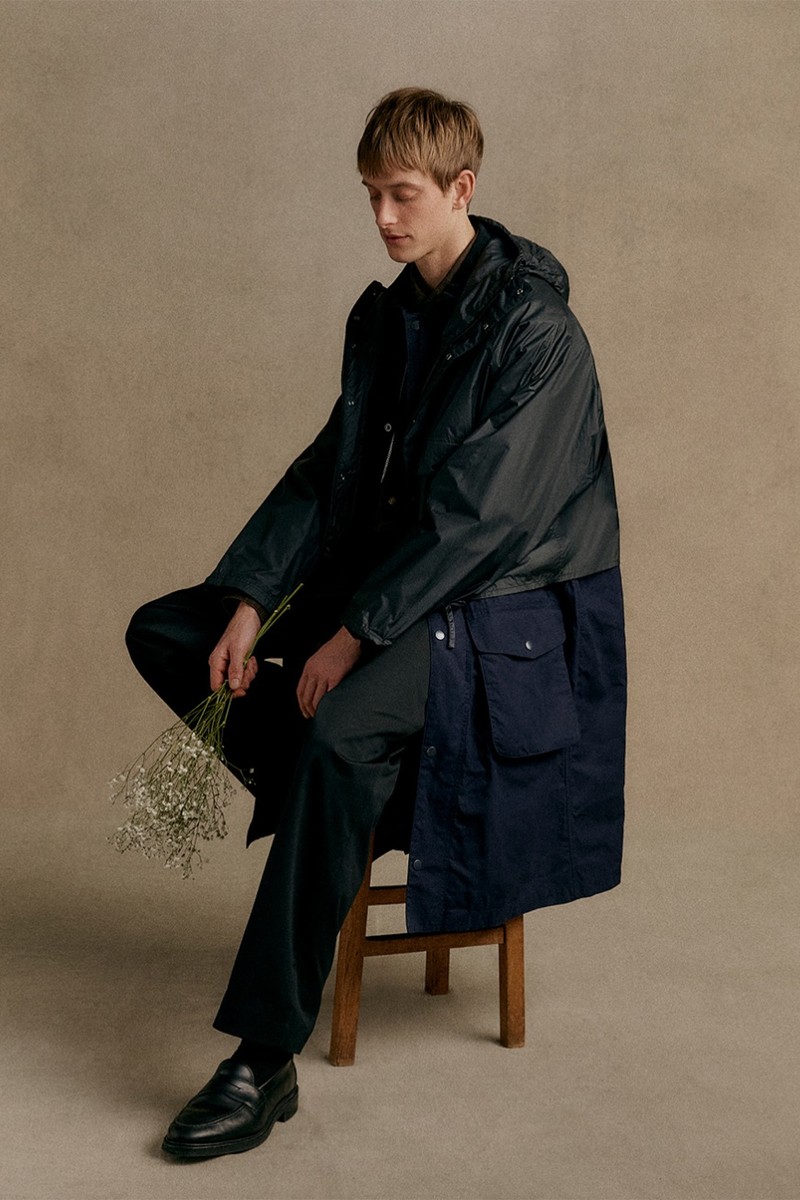
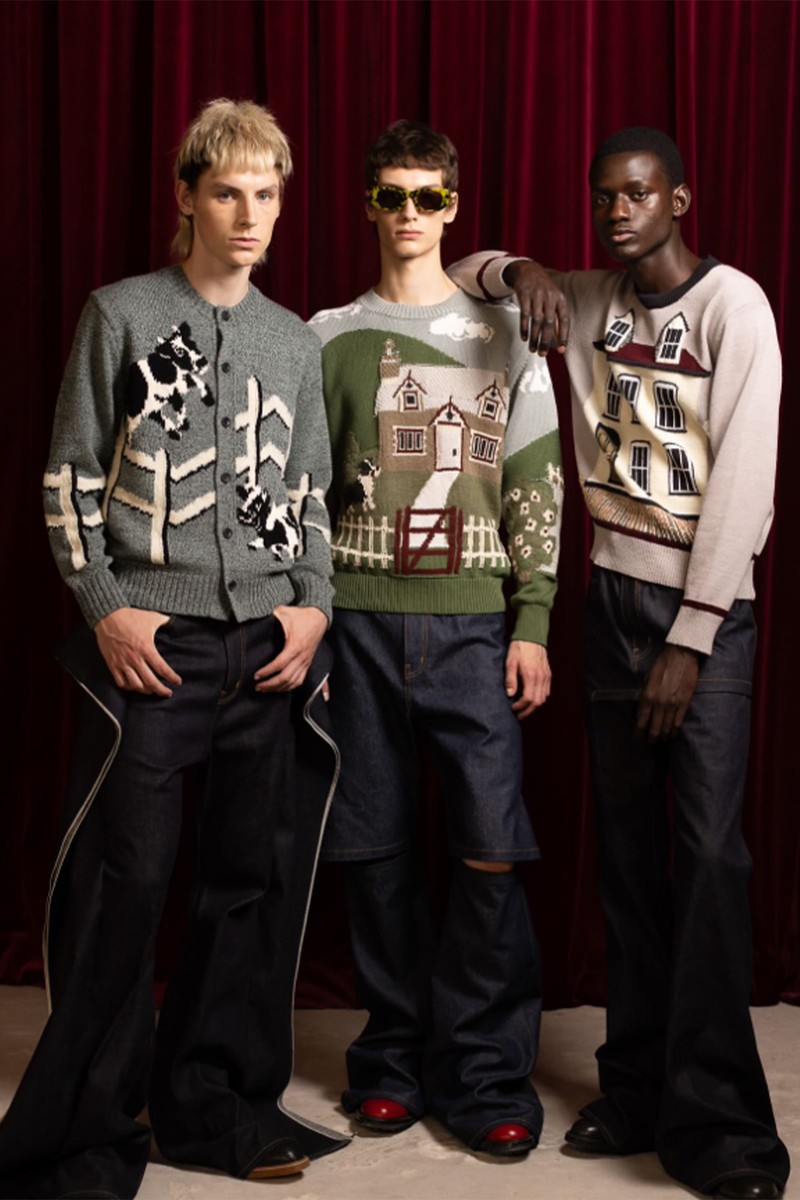
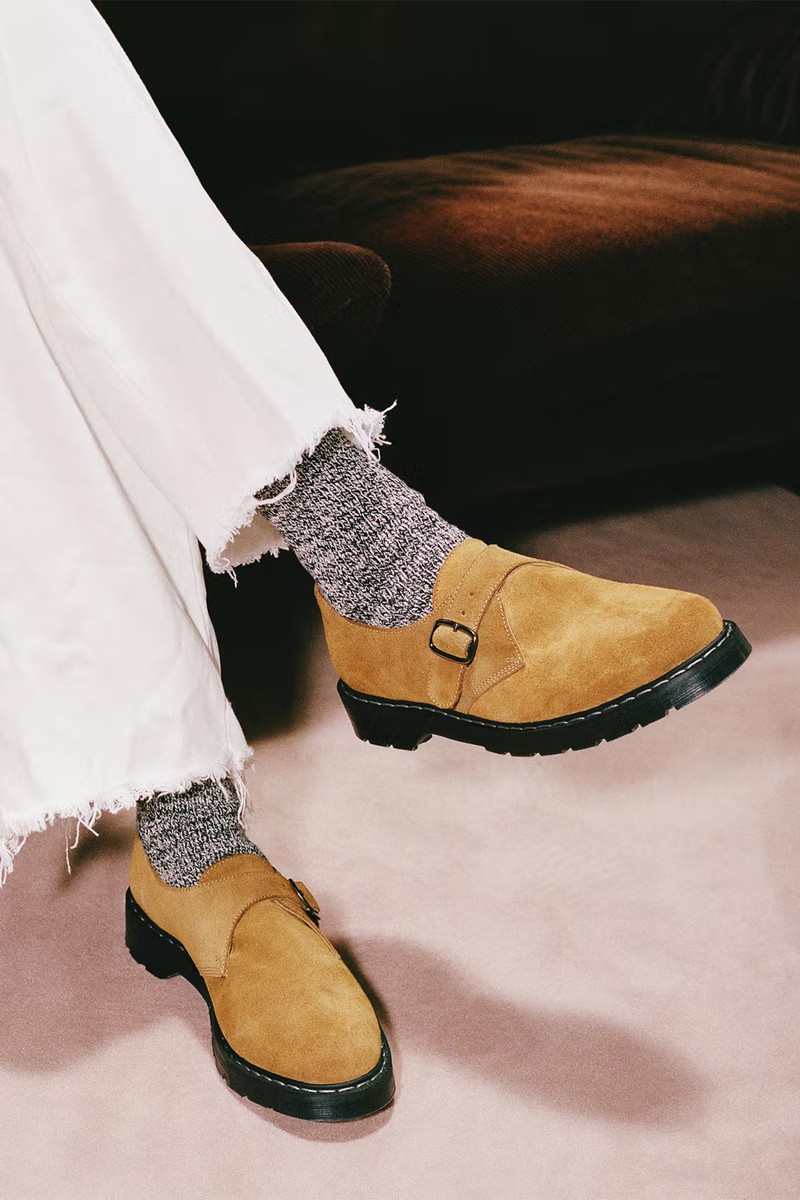
US-based labels are also chasing the allure of older, countryside-coded names. Nepenthes x Tricker’s, Engineered Garments x Joseph Cheaney, Carhartt WIP x Solovair – Northamptonshire’s classic shoemakers have all found transatlantic partners in recent seasons. Meanwhile, the best Scottish woollen mills have been kept busy with white-label work for the likes of Drake’s, Howlin’ and YMC. English counterpart John Smedley started its year with a Wales Bonner collab.
Driving these partnerships is an appreciation not just for the craft and tradition of Britain’s heritage makers, but for the substance of the British countryside that defines their work.
What happens next?
Fleeces, cords, tweed jacket, even fishing vests – they’ve all enjoyed moments in the sun as the countryside has been mined for sartorial inspiration in recent years. At some point, it will need a rest. The collaborations will ease, but the makers will carry on.
Last week, Paul Smith unveiled its own Made in the British Isles collection. Scottish weavers, Welsh sock makers and English cutters have hand-crafted the pieces. From the herringbone field jackets to the fisherman sweaters, they are designed to stand up not just to the British elements but to the trends too. The British countryside is an influence that’s built to last.
All products on this page have been selected by our editorial team, however we may make commission on some products.
DISCLAIMER: We endeavour to always credit the correct original source of every image we use. If you think a credit may be incorrect, please contact us at [email protected].
/https%3A%2F%2Fslman.com%2Fsites%2Fslman%2Ffiles%2Fwebsite-images%2F2024%2F06%2Fmaiya03-1.jpg)