
3 Pros Reveal How They’re Replacing UPFs
Rob Hobson
nutritionist
Not all processed foods are bad. Baked beans are a great example. They’re high in fibre, provide decent protein and are incredibly versatile. Some brands use modified starch, which technically pushes them into UPF territory, but nutritionally they still stack up. The same goes for Weetabix. I usually have soaked oats for breakfast, but I always keep Weetabix in the cupboard for days I forget to prep. They’re filling and far better than many ‘healthier’ breakfast swaps.
The swaps I’ve made are simple upgrades to everyday staples. Bread was one of the first. I used to buy Hovis Seed Sensations, but now I choose Jason’s Sourdough. It’s fermented, simpler and easier to digest – a small upgrade when it’s something you eat most days. Ketchup is another example. I’ve swapped Heinz for Hunter & Gather – it has no emulsifiers or preservatives, just a short, recognisable ingredient list.
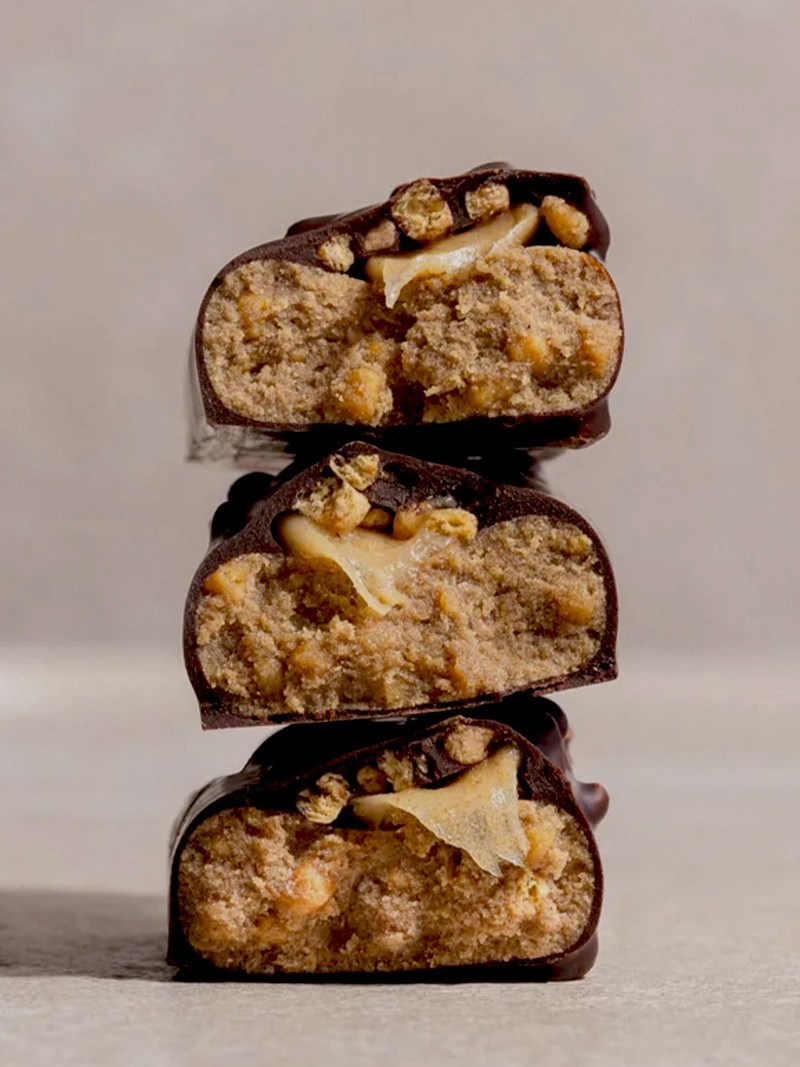
Protein bars were the biggest shift for me. I used to eat them regularly, especially when I was busy. There’s nothing wrong with them occasionally, but not so much if they’re a daily habit. Now, I make my own snacks or grab boiled eggs from the supermarket or Pret for a protein hit. I still use protein powder, but only very simple whey with nothing added. Try making your own trail mix with nuts, seeds and dried fruit – great for snacking on the go.
When it comes to breakfast, I keep things low-UPF by default. Scrambled eggs take minutes – I’ll throw them into a wholemeal roll with sliced tomatoes if I’m heading out. I also prep soaked oats and keep them in the fridge, as they double up as breakfast or snacks through the day and are a great way to boost fibre. Smoothies are hard to beat too – frozen fruit, spinach, oats and plain unsweetened protein powder is my go-to, especially post-gym. After very hard training, when my appetite can be a bit blunted, yoghurt with berries, nut butter and chia seeds works well.
Most of my main meals are low in UPFs. Stir-fries, including egg-fried rice with a good protein source, are on repeat. One-pot meals like chilli, bolognese or curry are easy, and I always add a tin of beans for an extra hit of fibre.
Snacks don’t have to come from a packet. Cheese on rye crackers, dates stuffed with walnuts, cottage cheese with crackers, shop-bought edamame beans or small packs of roast chicken or prawns are all easy wins. If I want crisps, I avoid ‘healthy’ options like processed lentil crisps and instead have proper ready-salted ones with minimal ingredients alongside a handful of nuts.
If there’s one thing I actively look out for, it’s emulsifiers. There’s growing research around emulsifiers and gut health, but much of it is focused on people with existing inflammatory conditions. The two I check for on labels are E466 and E433 – worth avoiding if you’re looking to reduce your UPF intake.
There’s no need to change everything overnight – just start with the things you eat the most. Small, consistent swaps really do add up. Also think about what you can add in. For example, if everyone ate just one serving of beans or lentils a day – around half a tin – it would have a huge impact. It’s a simple way to get a third of your daily fibre intake, plus a host of other long-term health benefits.
Visit RobHobson.co.uk. Rob’s book, Unprocess Your Life, is available now.
Jason Mackson Adetola
founder of The Electric Tribe
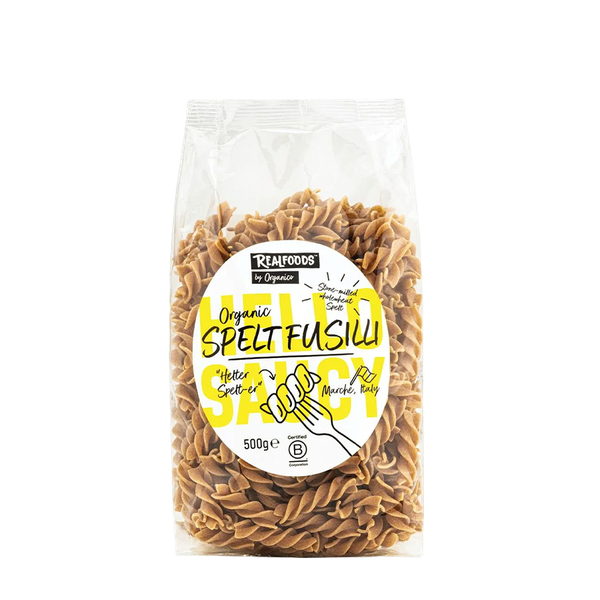
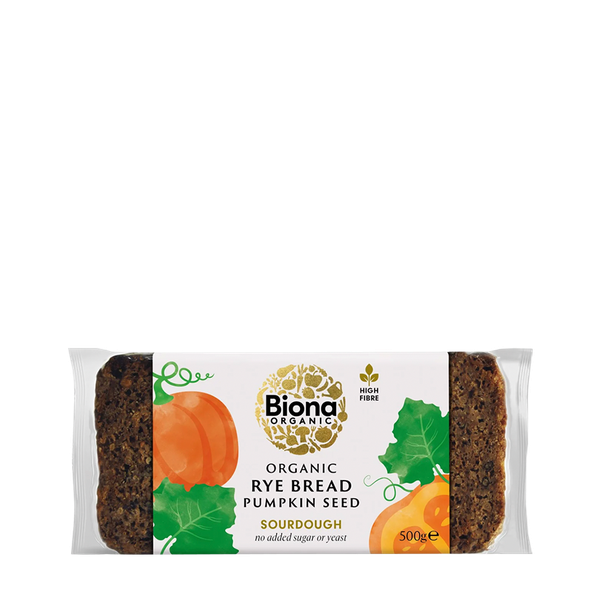
Swapping white carbs for brown varieties is one of the most impactful changes I’ve made. Most modern health issues aren’t driven by deficiencies, but by excess. When you look at food through that lens, one ingredient stands out – refined white flour. Bread and pasta were my first targets. I swapped white pasta for wholemeal, spelt or buckwheat varieties, and white bread for dark rye or ancient-grain sourdough. Even heavier carb-based meals got a makeover – now I opt for sweet potatoes, quinoa or wild rice. Biona’s pumpernickel is a standout: dense, satisfying, and just two slices will keep you going for hours. The impact of switching from white to brown carbs is immediate – more stable energy, better blood sugar balance and genuine satiety, instead of the spike-and-crash cycle that refined carbs create.
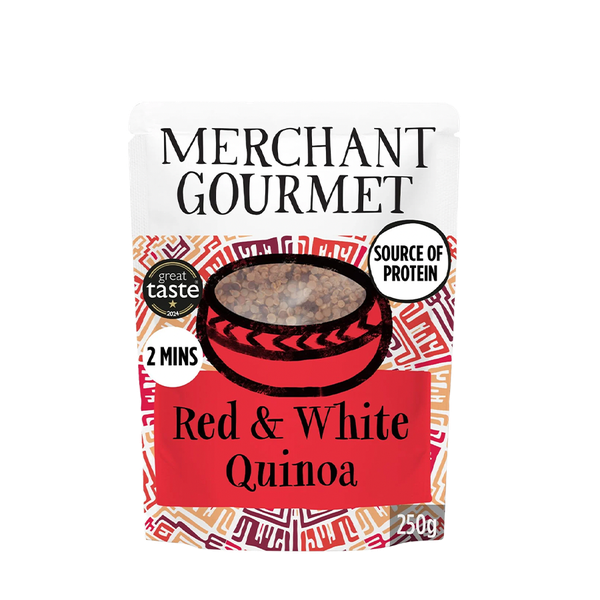
For convenience, I rely on Merchant Gourmet pouches. They do great pre-cooked lentils, chickpeas, quinoa and chestnuts with no additives. They’re a staple for me when I’m working late or need something fast. You get real food, no prep required.
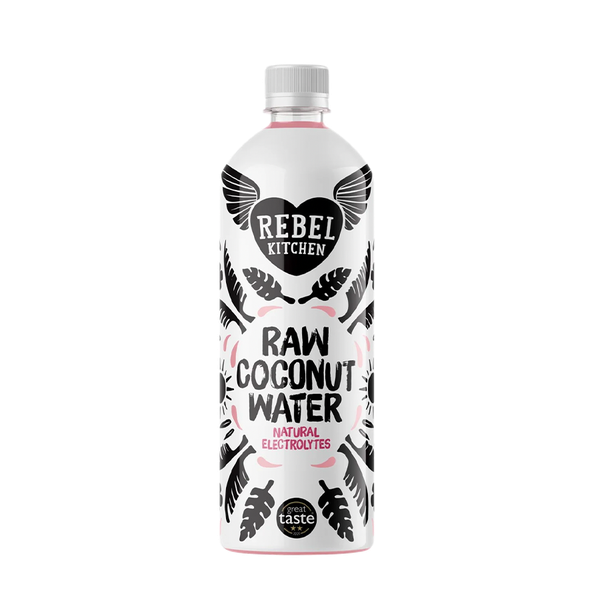
Drinks are another area I’ve refined. Take coconut water – most supermarket options are heat-sterilised to extend shelf life, which kills many of the nutrients, especially vitamin C. Rebel Kitchen is one of the few brands offering raw, unpasteurised coconut water that retains its natural pink hue – a sign it’s oxidised, not overprocessed.
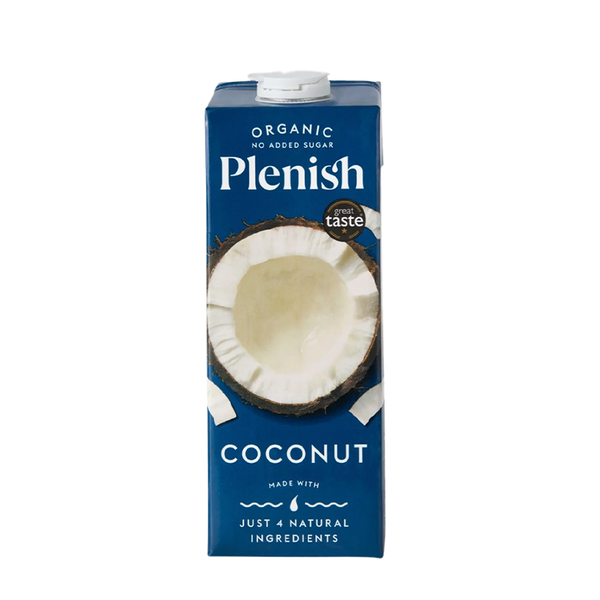
I’m also selective with plant milks. Many are full of gums, emulsifiers and oils, which most people don’t realise. Plenish is my go-to – it’s just water, nuts or grains, and a pinch of sea salt.
I’ve ditched sugary cereals entirely. My go-to is quinoa porridge – I blend cooked quinoa with banana, walnuts, nut butter or tahini, cinnamon and milk, then warm it through and top with seeds. It takes ten minutes and is packed with protein, fibre and slow-release energy.
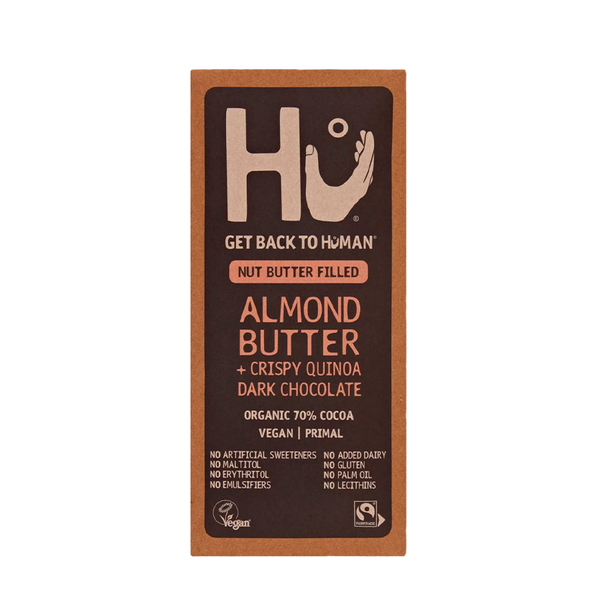
I still eat chocolate and crisps, but I’m careful with what I choose. For chocolate, I go for Hu – minimal ingredients, organic and high in cocoa. For crisps, Torres is my pick – just potatoes, olive oil and sea salt.
If you’re going to change one thing in your shop, make it your carb source. Most people already get plenty of protein – what’s doing the damage is refined carbs. Swap your white loaf for something darker and denser. Ask yourself how many slices of white toast you could eat – then compare that to a heavy rye. Fibre creates a natural stopping point.
Follow @TheElectricTribe. Unprocess by Jason Mackson Adetola is available now

Jeffrey Boadi
author of Plant Fuel
UPFs aren’t a black-and-white issue. Food processing exists on a spectrum, and context matters far more than the label on the front of the pack. Oreos are processed, but so is sourdough bread – and we know which one supports health long term. The difference comes down to ingredients, fibre content, how the food behaves in the body, and how often it shows up in your diet. For me, it’s less about avoiding UPFs altogether and more about choosing foods that offer real nourishment rather than empty convenience.
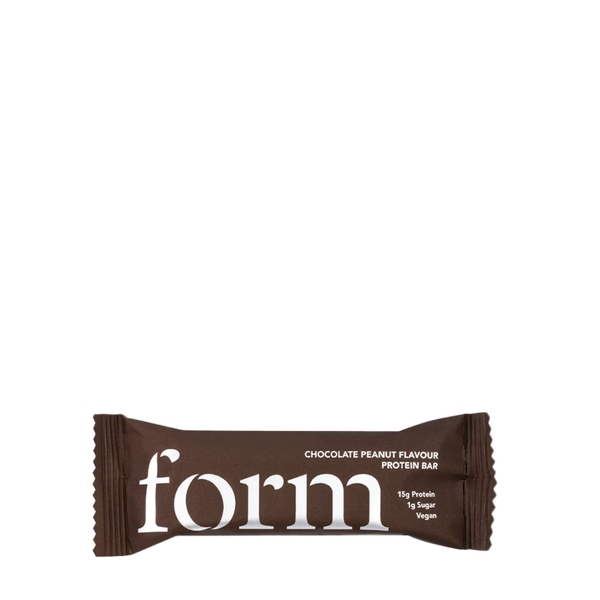
One of the biggest shifts I made was with protein bars. I used to grab them regularly, especially on the go. But when I started reading labels properly, I realised many of the ‘high protein’ options – Trek bars included – were closer to confectionery than fuel. These days, I carry leftovers when I can. And if I do buy a bar, I look for ones with real fibre and meaningful protein – Form Nutrition is one I trust.
My weekly shop is built around a few high-quality staples. I always buy Bold Bean Co. beans and chickpeas – they’re cooked in seasoned stock that adds depth to whatever I’m making. Oats are another non-negotiable – I go for Flahavan’s organic wholegrain rolled oats. For plant milk, it’s Plenish all the way – no gums or added sugar, just a few ingredients done properly.
My breakfasts are consistent and nutrient dense. I make overnight oats with wholegrain oats, banana, blueberries, walnuts, hemp and pumpkin seeds. I stir in a scoop of protein powder and finish with coconut milk. It takes three minutes the night before and adapts to whatever I’ve got in the fridge.
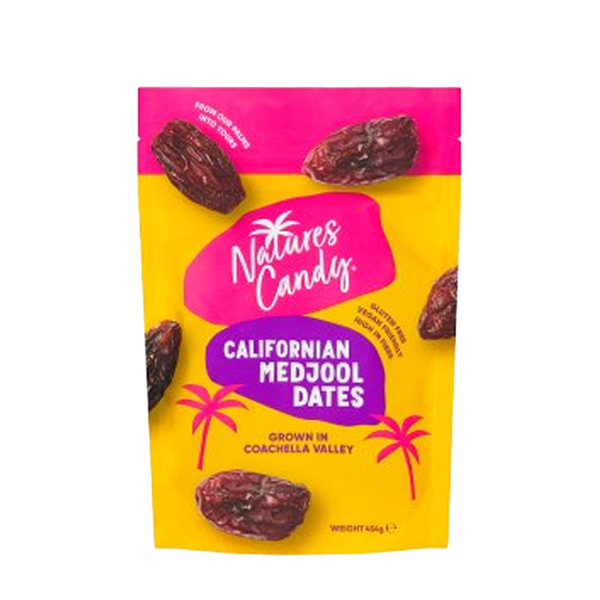
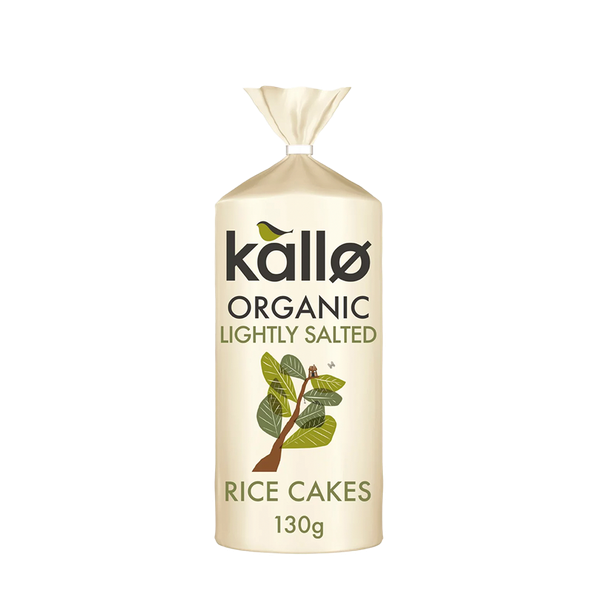
When it comes to snacks, I want things that satisfy. Rice cakes with hummus are a regular, as are pistachios. Medjool dates are another staple, especially when I need something quick. And again, a well-formulated protein bar earns a place in my gym bag or hand luggage when I’m travelling – the key is choosing ones low in sugar and high in fibre and protein.
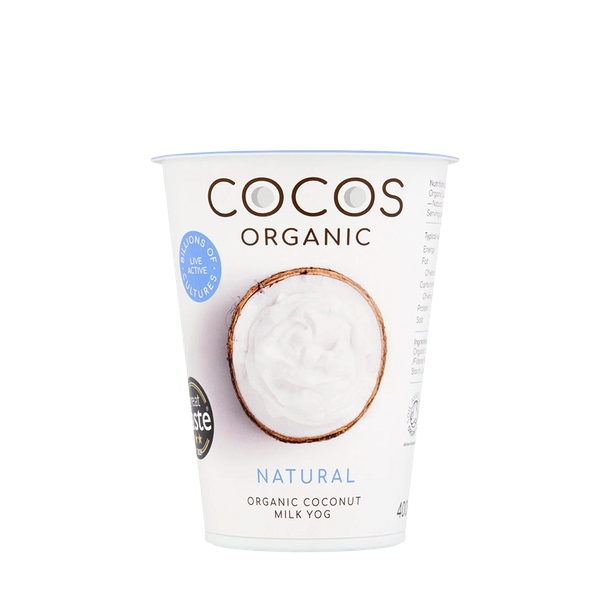
A big wake-up call was plant-based yoghurts. Just because something’s vegan doesn’t mean it’s healthy – a lot are packed with sugar and additives. I now stick to plain coconut yoghurt, which I’ll mix with fruit or oats depending on the time of day.
Most of my meals follow a simple power bowl format. Plant protein (tofu or tempeh), a smart carb like sweet potato or quinoa, greens like spinach or broccoli, avocado for healthy fats, and a fermented element like kimchi. A quick tahini dressing brings it all together – just lemon, olive oil, sea salt and water.
If I could get people to rethink just one thing, it would be their idea of what’s ‘processed’. Frozen fruit and veg, for instance, are minimally processed – just washed and frozen at peak ripeness. They retain nutrients, reduce waste and help you eat more plants consistently. Swapping a few fresh items for frozen is one of the easiest, most effective upgrades you can make.
Follow @JeffReyBoadi. Plant Fuel is available now.
SHOP THE EDIT

All products on this page have been selected by our editorial team, however we may make commission on some products.
DISCLAIMER: We endeavour to always credit the correct original source of every image we use. If you think a credit may be incorrect, please contact us at [email protected].
/https%3A%2F%2Fslman.com%2Fsites%2Fslman%2Ffiles%2Fwebsite-images%2F2026%2F10%2Fslman-full-bleed-reversed.jpg)
