
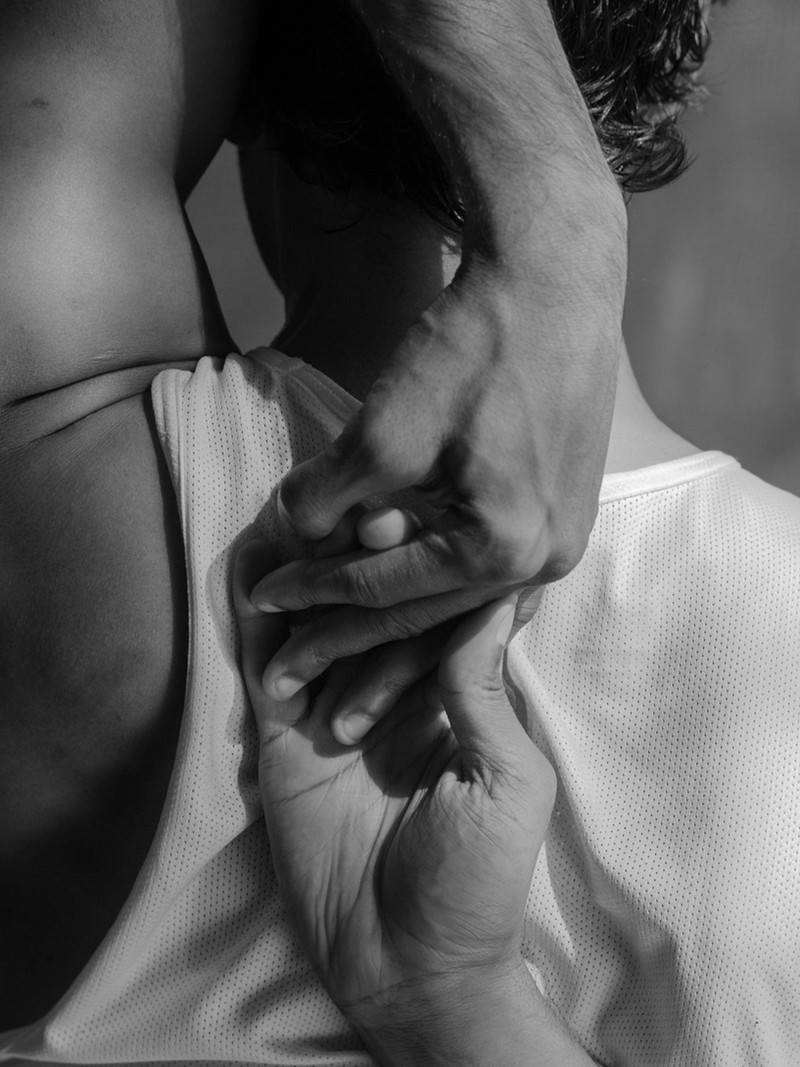

The Movement Rules Every Man Should Follow
James Davies
osteopath & author of Back in 10
The first win of my day happens before I get out of bed. Lying on my back with my hands on my ribs, I take a few slow breaths into my diaphragm. Most of us wake up and immediately switch to shallow chest breathing, which tightens the neck and loads the lower back. Two minutes here reduces that tension, improves rib mobility and sets a calmer baseline before emails, travel or training start pulling you forward.
I schedule recovery – I don’t leave it to chance. At home that usually means some combination of heat, cold and water: sauna to relax tissues, cold to wake the system up, and time in the jacuzzi to switch off mentally. When travelling, I finish every shower with 30 seconds of cold water. It’s quick and effective.
I prioritise the fundamentals. If you’re travelling frequently, training hard or using saunas, electrolytes make a noticeable difference to energy and focus. I also use IM8 as a broad-spectrum foundation, alongside vitamin D – which most of us in the UK need – plus fish oil for joint health and collagen to support connective tissue.
I use a massage gun daily. Most people only reach for one when they’re sore, but it’s far more effective as prehab. A minute on the glutes, lower back or legs before a gym session improves circulation and helps muscles do their job properly. Waiting until something hurts is usually too late.
I train for tomorrow. I lift relatively heavy, keep my reps around five and stop before fatigue tips into strain. The goal isn’t to win one session and lose the week – it’s to train again tomorrow. Consistency builds strength.
Working with athletes has taught me to pay attention to small signals. A low-level ache is often your body asking for recovery or a change in load. Address it early and it rarely escalates.
Time is the excuse I hear most. Which is why I come back to this – there are 144 ten-minute blocks in a day. That could be ten minutes of strength work, mobility or simply checking in with how your back and hips feel. Done consistently, those small inputs keep the spine strong and stop niggles becoming injuries. Ten focused minutes a day delivers one of the highest returns you’ll get on your time.
Visit JamesDHealth.com
James Dabbs
founder of Dabbs Fitness
I can tell a lot about someone before they touch a barbell. Watching a client warm up reveals almost everything – control, mobility, coordination. You see how the hips move, whether the thoracic spine extends properly, how stable the shoulders are. You also see mindset. The men who approach those first minutes with patience and attention to detail are usually the ones who progress steadily and stay injury-free. Training isn’t just physical – it’s behavioural.
Getting older has shifted my perspective. I used to think every session had to be big to count. Now I know consistency beats intensity. Some days, 30 focused minutes is more than enough. I’d rather complete a shorter, deliberate session than skip it entirely. Stack enough of those sessions together and the results take care of themselves.
Ego is often the biggest obstacle in the gym. Too many men train to impress rather than improve – loading the bar too quickly, chasing numbers and rushing warm-ups. That might feed the ego short term, but it rarely builds resilience. I treat each session as practice, focusing on precision and clean reps. The aim isn’t one great workout – it’s to be strong, capable and pain-free for decades.
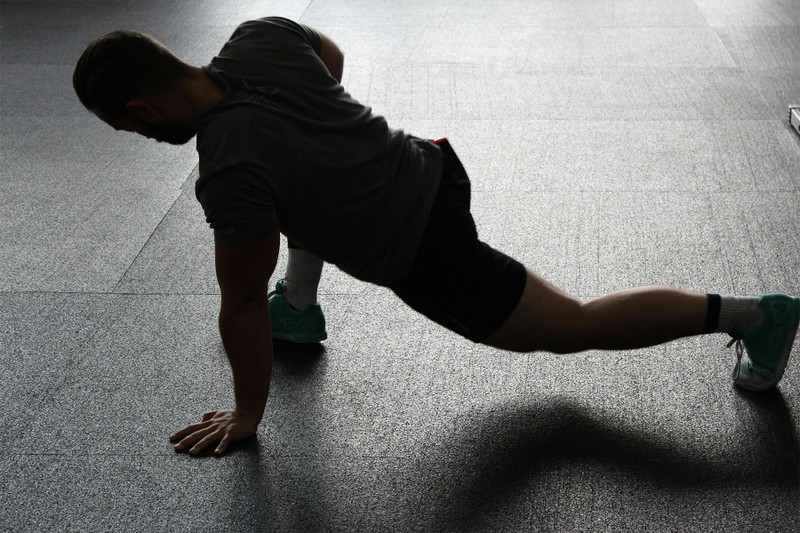
Never skip your warm-up. Even with five minutes, mobility comes first – hips and thoracic spine, often with downward dogs or a world’s greatest stretch. Then I activate what the session demands – glutes for lower body, scapular control for upper. A small prehab element like band work, core control or single-leg stability finishes it off. Those deliberate minutes set the standard for everything that follows.
If you’re only going to prioritise one move, make it the squat. It’s hard to beat for building real-world strength. It trains the legs and trunk together, demands coordination and mirrors movements we rely on daily. Done well, it reinforces healthy mechanics and strengthens joints. If I had to keep one move for life, that would be it – not just to stay strong, but to stay robust.
Visit DabbsFitness.com
Aynk Vigneswaran
specialist sports & musculoskeletal physiotherapist at KXU
The trap bar deadlift is a move I use time and again with clients. The more neutral hand position and centred load reduce stress, while still allowing you to build serious lower-body and upper-back strength. It’s simple, scalable and carries over well into sport and daily life.
Preparation shapes a workout. My warm-up is short but purposeful – a light jog to raise heart rate, focused mobility through the spine, hips and shoulders, then dynamic compound movements with bands or kettlebells. I’ll often finish with a few short speed or plyometric drills. The aim is to feel switched on and ready to lift – not fatigued before the session has started.
Daily movement matters as much as gym work. I start each morning with a walk and a short mobility flow, even on rest days. It clears stiffness, keeps joints moving and prevents that locked-up feeling before the day begins. Over time, those habits make training smoother and recovery more effective.
The most common issue I see is men pushing hard in training without planning recovery. Workouts are structured, but recovery is left to chance. I programme it into my week with the same intention as training because that’s what allows progress without injuries creeping in.
After long days sitting or travelling, I don’t force intensity. An easy jog or long walk followed by mat-based mobility or yoga does far more good. I’ll often add a few minutes of simple breathwork – just enough to calm the system without leaving me sluggish. It’s about resetting the body, not shutting it down.
Sleep is non-negotiable. That’s when muscle repair happens, hormones rebalance and the nervous system resets. Training and nutrition matter, but without quality sleep, progress slows quickly.
Most injuries don’t come from one bad workout. They build from too much stress everywhere at once – heavy sessions, long workdays, poor sleep and daily pressure. Training makes you stronger, but only if the rest of your life isn’t already maxed out. Paying attention to mental load as well as physical strain is what keeps progress moving without things breaking down.
Visit KXU.co.uk
Erol Umut
physiotherapist & recovery expert at Pillar Wellbeing
Recovery is integral to training. One of the biggest mistakes I see is men assuming progress happens during the workout. The gym provides the stimulus, but the real improvements happen afterwards – when the body has the chance to recover properly. If recovery is inconsistent, you’re not building resilience, you’re just carrying fatigue from week to week.
Most injuries I treat aren’t dramatic one-off events. They’re usually the result of load creeping up; a sharp jump in training volume; getting enthusiastic after a few good sessions and adding too much too quickly; or trying to train hard while work, travel and sleep are all working against you. The body can handle a lot, but it needs time to adapt. When total stress outweighs recovery capacity, something starts to niggle.
That’s why I look at the bigger picture. Not just yesterday’s session, but how the last few weeks have stacked up. Has intensity increased gradually? Have new movements been introduced sensibly? Longevity isn’t about holding back – it’s about managing load so you can train consistently without setbacks.
Breathwork is often overlooked. Many men carry low-level tension all day without realising it – shoulders slightly elevated, ribs flared, always a bit switched on. A few minutes of slow, controlled exhales can calm the nervous system, improve trunk support and reduce background tension. It’s simple, but done consistently it makes a difference.
Visit PillarWellbeing.com
DISCLAIMER: We endeavour to always credit the correct original source of every image we use. If you think a credit may be incorrect, please contact us at [email protected].
/https%3A%2F%2Fslman.com%2Fsites%2Fslman%2Ffiles%2Fwebsite-images%2F2026%2F10%2Fslman-full-bleed-reversed.jpg)
