

5 Ways To Biohack Your Skincare Routine
What Is Biohacking?
At its core, ‘biohacking’ is about making small, strategic changes to optimise how your body performs. In skincare, it signals a shift away from quick fixes towards a more considered, long-term approach – one that supports the skin at a deeper level, helping it regenerate and function more effectively in the long run.
“It’s essentially a proactive, science-led approach to maintaining healthier, stronger and more resilient skin over time,” explains Dr Jonathan Dunne, consultant plastic surgeon and founder of Montrose London. “Rather than simply reacting to ageing once it appears, the focus is on optimising the skin’s natural function at a cellular level. This can include everything from medical-grade skincare and collagen stimulation to sleep, nutrition, exercise, stress reduction and protecting the skin barrier. In many ways, it’s preventative medicine for the skin. By protecting collagen reserves and maintaining overall skin quality early on, you can slow visible ageing and preserve healthier, more resilient skin for longer. For many men, it is less about looking ‘done’ and more about looking well-rested, healthy and confident as you age.”
The 5 Ingredients To Have On Your Radar…
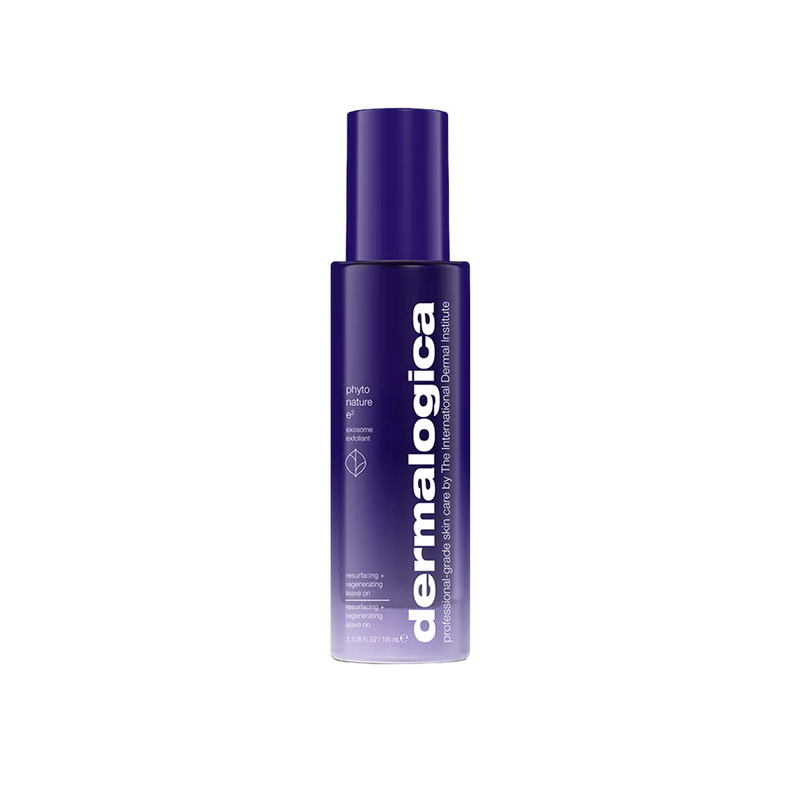
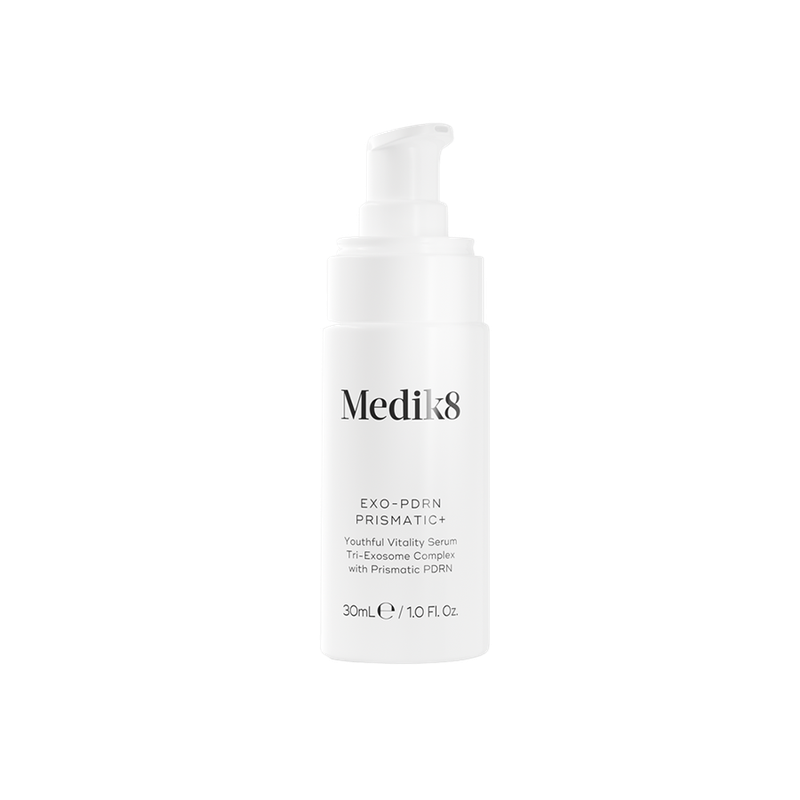
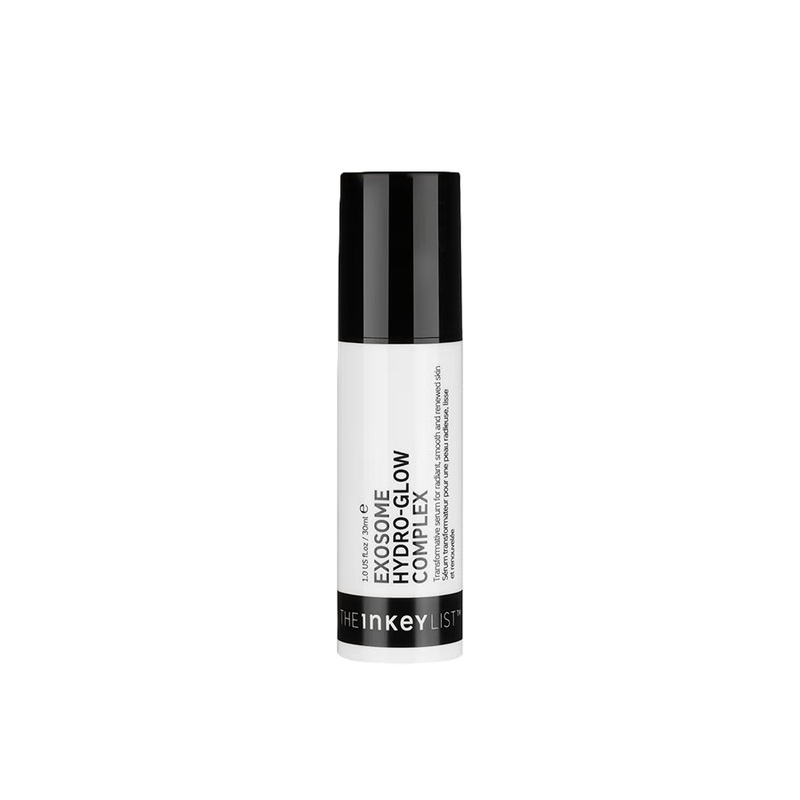
Exosomes
One of the most talked-about innovations in skincare right now, exosomes are essentially tiny messenger particles. Naturally present in the body, their main function is to carry important ingredients – such as growth factors, peptides and proteins – and signals between cells, helping them communicate more effectively. “Exosomes can stimulate collagen and elastin production, accelerate healing, reduce inflammation and support overall skin regeneration,” explains Dr Mo Hamed, aesthetic doctor and founder of Dr Motox Clinic. Collagen and elastin are essential proteins that support your skin’s structure, giving it its natural firmness. Your body naturally produces less of them both as you age, so by boosting production levels your skin appears bouncier for longer.
For a two-pronged approach, exosomes come into their own when paired with certain in-clinic treatments – think injectables, microneedling or those involving devices – because of their ability to speed up the body’s healing processes. “These are great for future-proofing your skin as they can reduce inflammation and dramatically increase wound healing capabilities of your tissues,” explains Dr Ash Soni, plastic and reconstruction surgeon, and founder of The Soni Clinic. “Post-procedure, exosomes can be applied topically to virtually any treatment which can minimise downtime and quicken the healing – which every patient wants.”
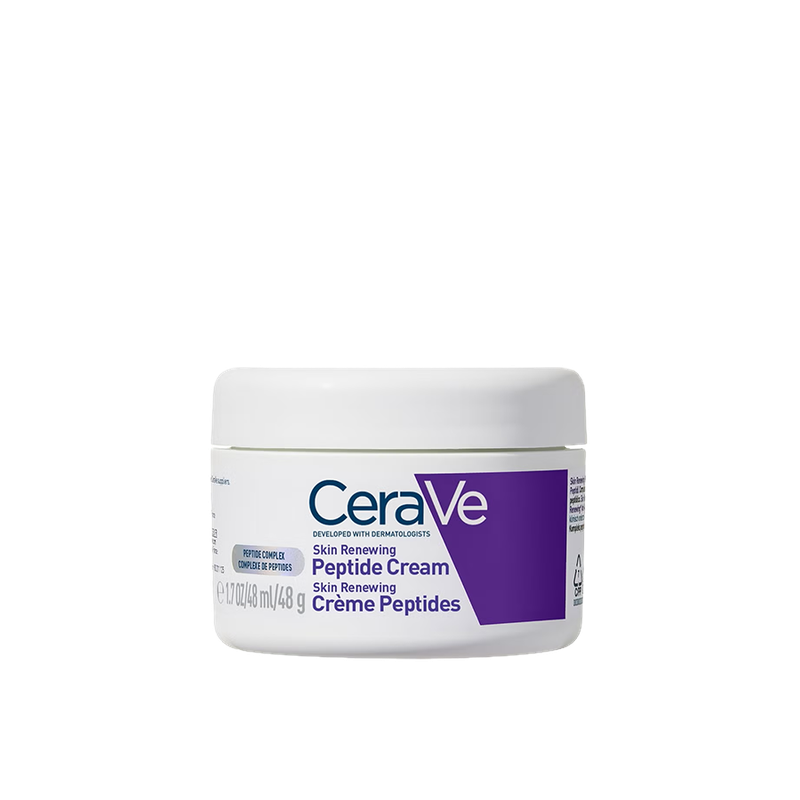
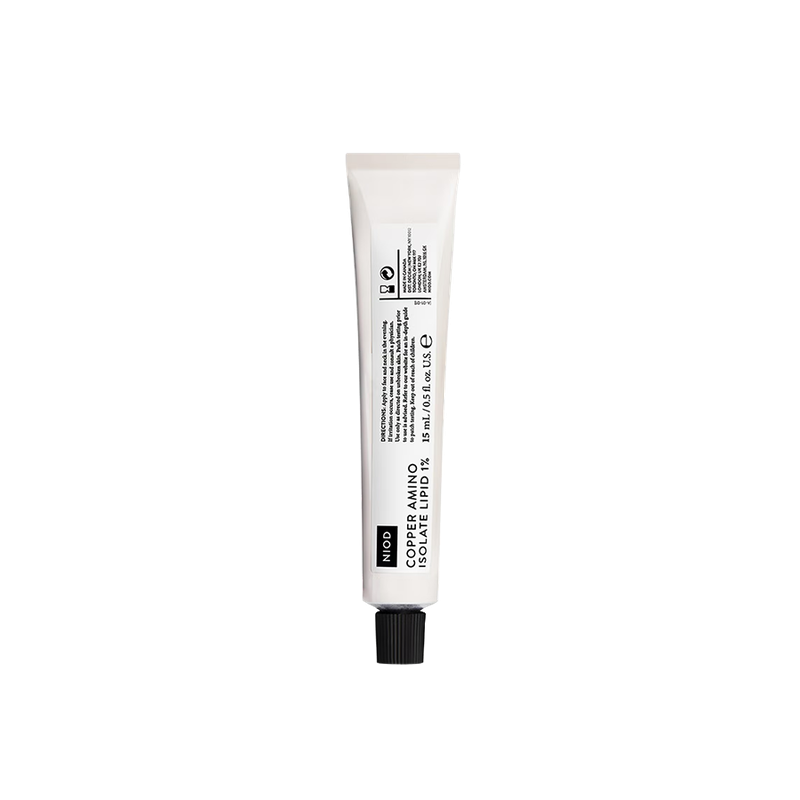
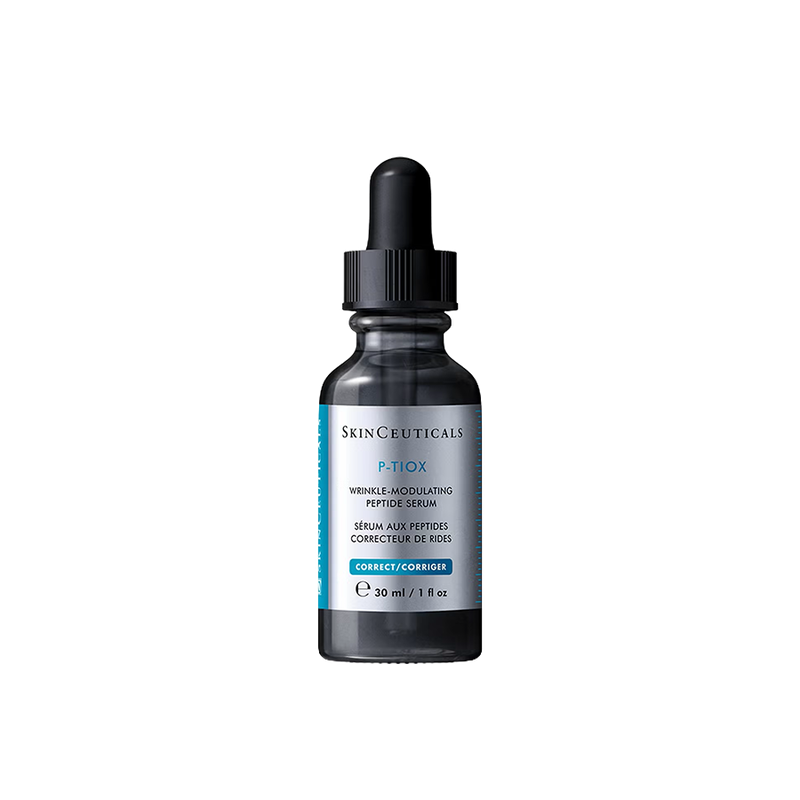
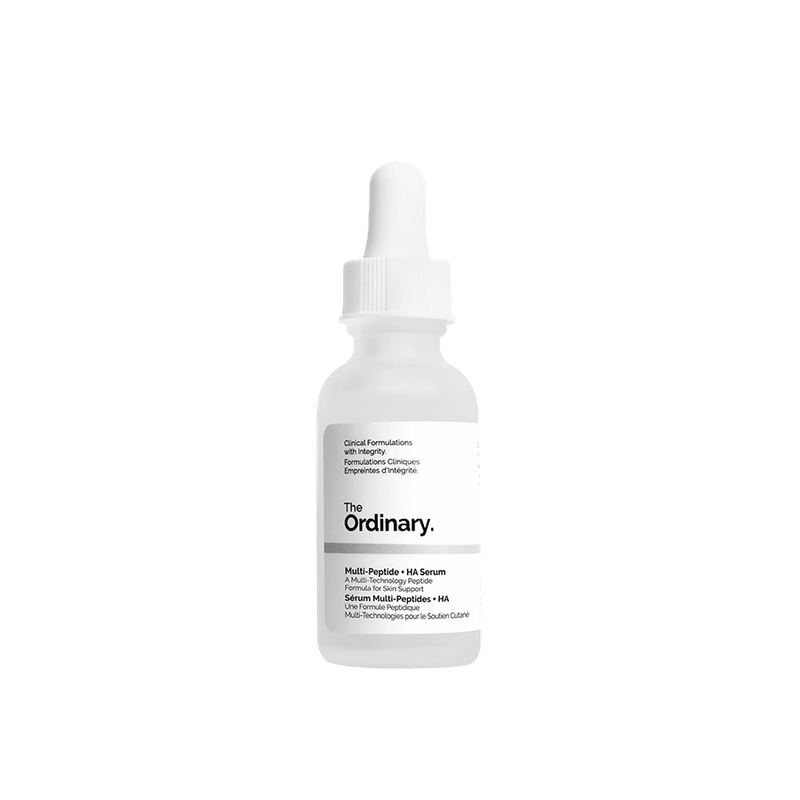
Peptides
Popular among biohacking influencers and skincare experts, peptides are perhaps best known for their ability to smooth wrinkles and lines. Acting as the building blocks to key structural proteins, these short chains of amino acids work hard to help you appear fresher and better rested. Different types perform different functions. “Many act as signalling molecules, telling the skin to produce more collagen, improve elasticity and strengthen the skin barrier. Whereas some others actively help reduce inflammation or improve hydration,” explains Mo. “They’re one of the most versatile and well-tolerated anti-ageing ingredients because they work with the skin rather than aggressively forcing turnover. Long term, peptides help maintain firmness, resilience and overall skin integrity, making them ideal for preventative skincare.”
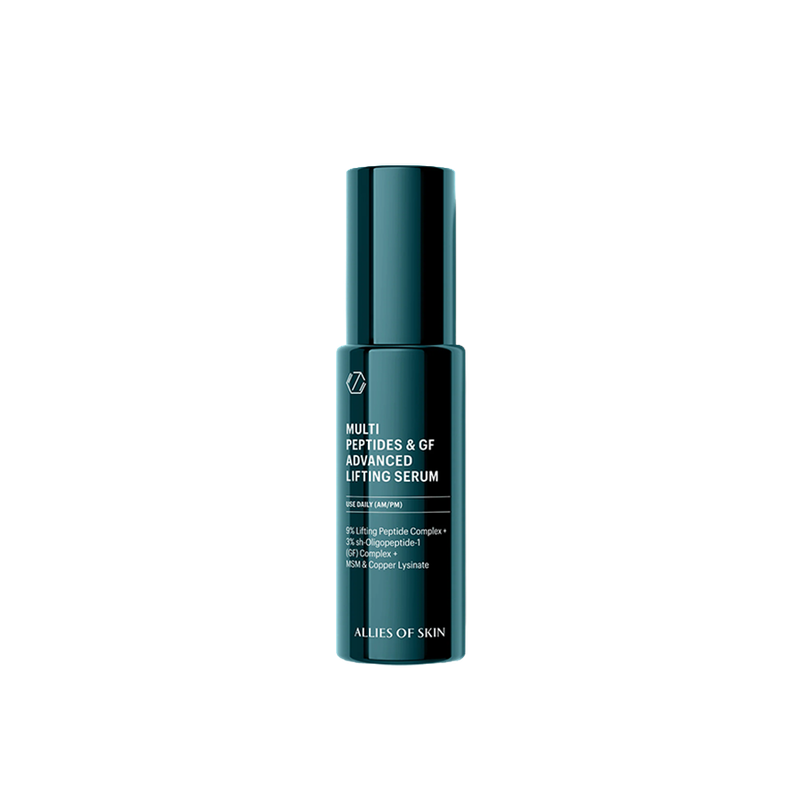
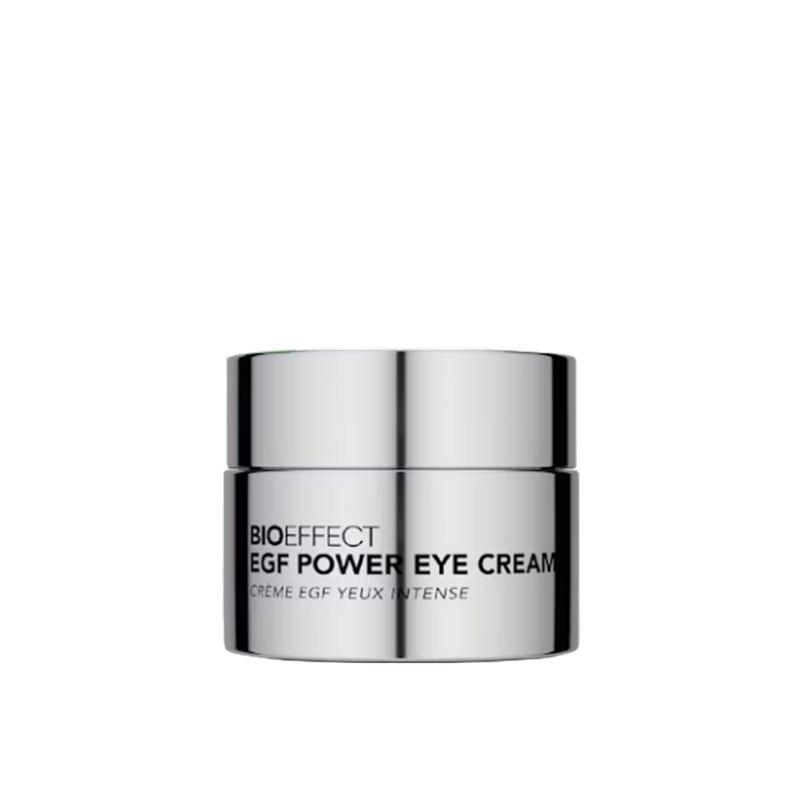
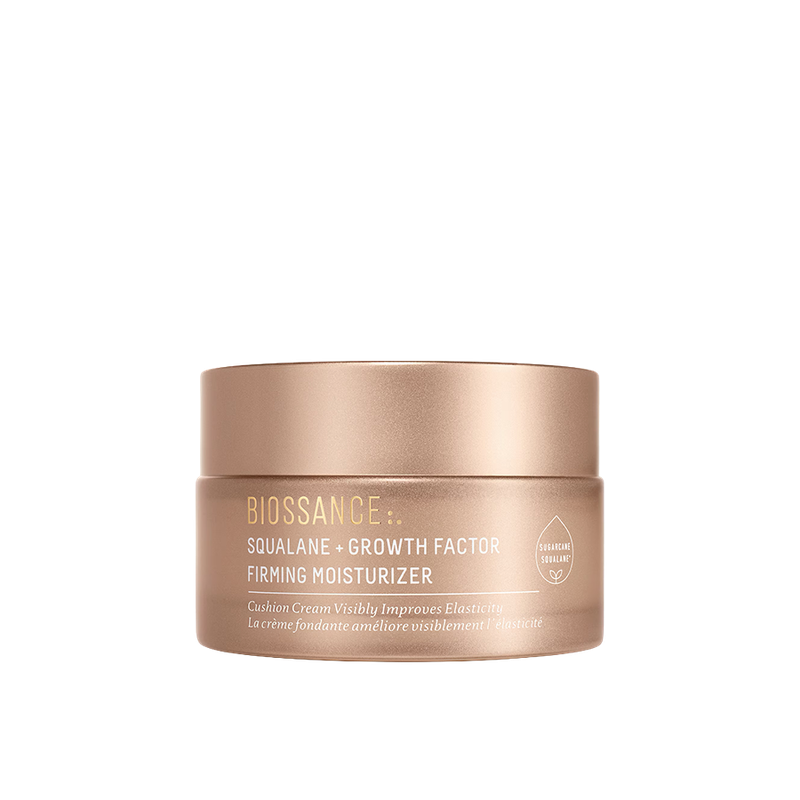
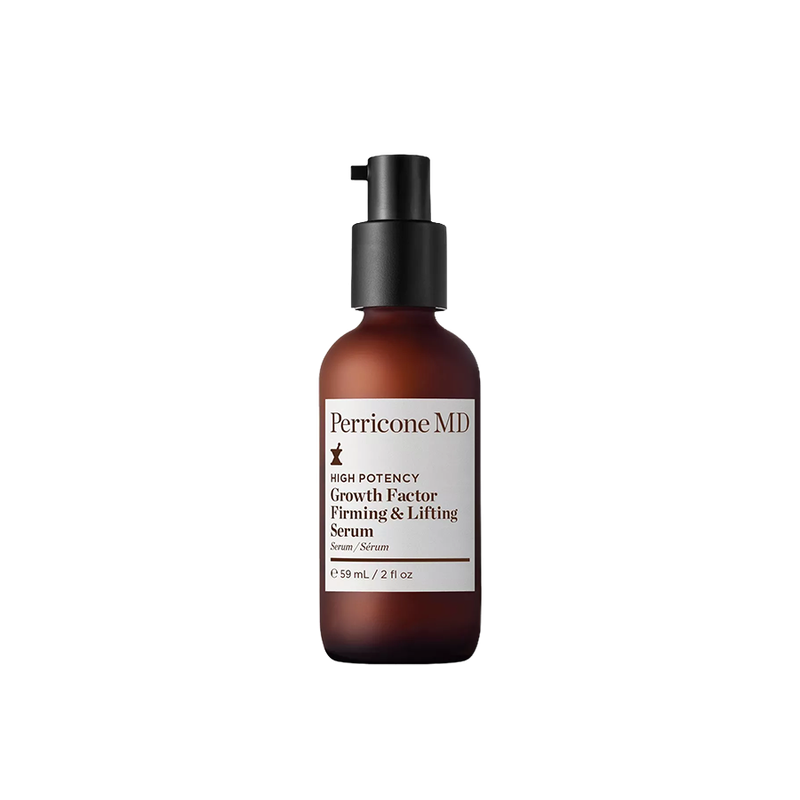
Growth Factors
Growth factors are naturally occurring proteins which play an important role in cellular communication. Often found in high-performance serums and regenerative treatments, they are effective at supporting the skin’s repair and renewal processes. “They work by stimulating the fibroblasts, which in turn can boost production of collagen and elastin, and help with tissue repair and regeneration,” says Ash. “As we age, our growth factors decrease. As a result, the skin appears less youthful and its ability to repair itself is delayed. Therefore, they can be really useful for helping switch those metabolic and cellular pathways on, resulting in an improvement in overall skin health, quality and texture.”
NAD+
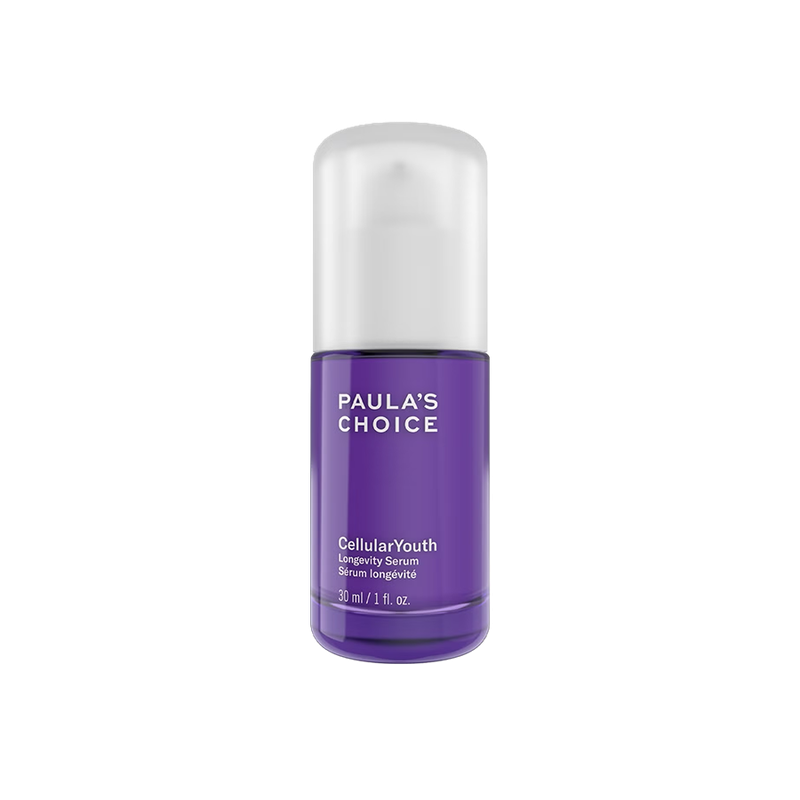
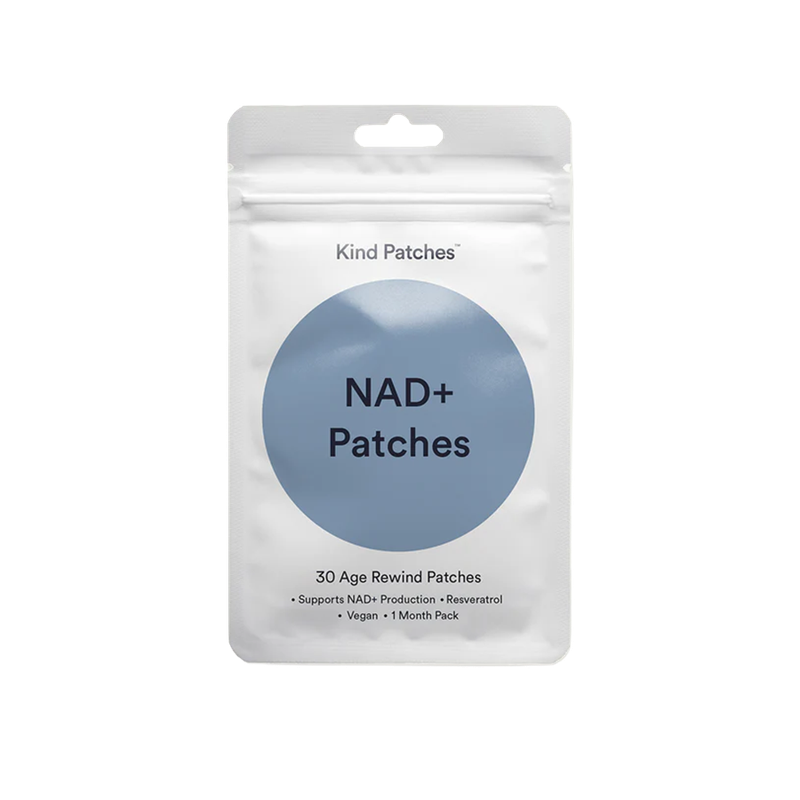
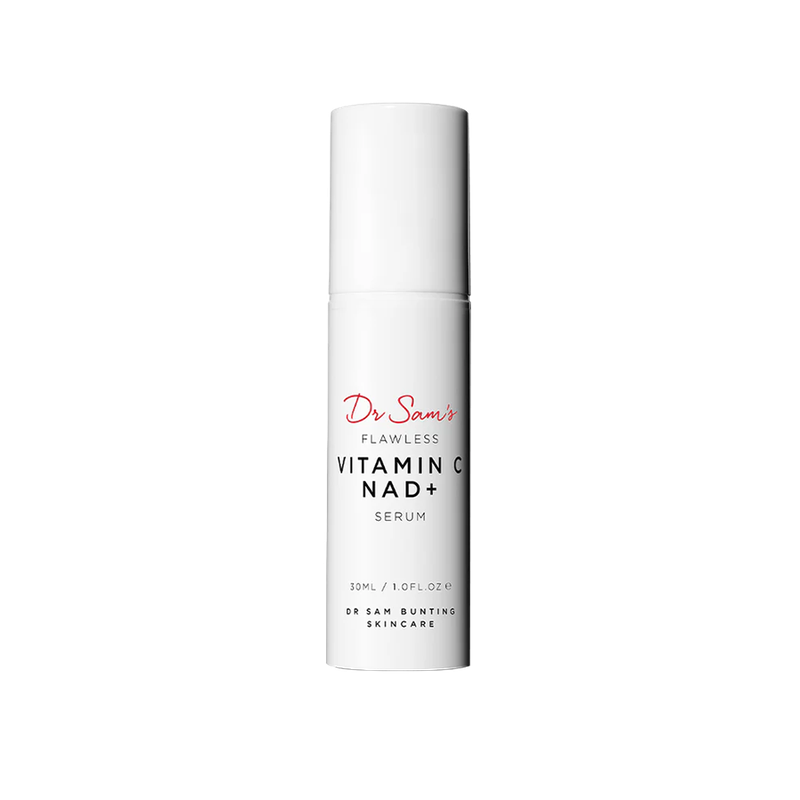
NAD+ – otherwise known as nicotinamide adenine dinucleotide – is everywhere right now, but what exactly is it? In essence, it’s a coenzyme, found naturally in the cells, that has been attracting attention because of its link to mitochondrial function. It can be delivered in several ways – from oral supplements and topical skincare to intravenous drips and at-home injections – each designed to help boost NAD+ levels within the cells. “Often described as the ‘cellular battery’, it helps to convert nutrients into energy and supports essential cellular functions, including DNA repair, cell signalling and optimising metabolism,” explains Ash. “Our natural NAD+ falls with age, and therefore we have a decreased cellular energy production, more inflammation and more oxidative stress. With this decline, our cells have less energy and it’s harder for the skin to repair itself. That loss of resilience means the barrier can in turn become disrupted, leading to a change in skin quality.” By supporting cellular energy and repair processes, maintaining healthy NAD+ levels may help improve overall skin function and resilience over time.

Vitamin A
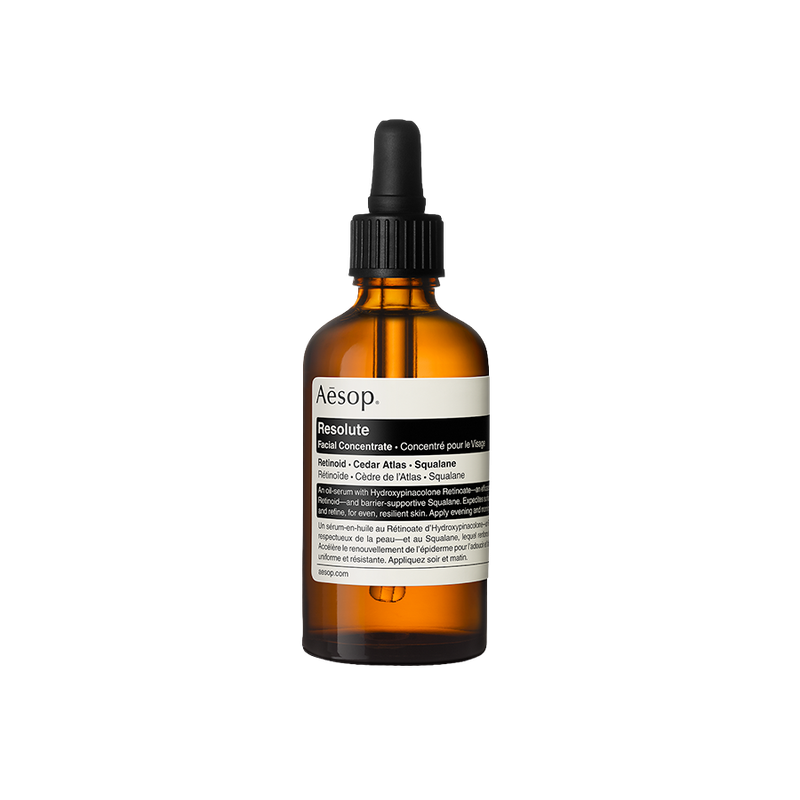
It’s been around for a while, and has impressive clinical backing. That’s why vitamin A remains the gold-standard ingredient for both preventative and corrective ageing – and one of the best horses to back within skincare. Vitamin A – an umbrella term for a group of compounds known as retinoids, including retinol, retinal and prescription tretinoin – is known for addressing multiple age-related concerns at once. “It works by increasing cellular turnover, stimulating collagen production and improving skin texture and pigmentation,” says Mo. “Consistent use can help maintain collagen levels, minimise fine lines, improve pigmentation and keep skin functioning more efficiently over time. It’s one of the few ingredients with decades of robust clinical evidence behind it.”
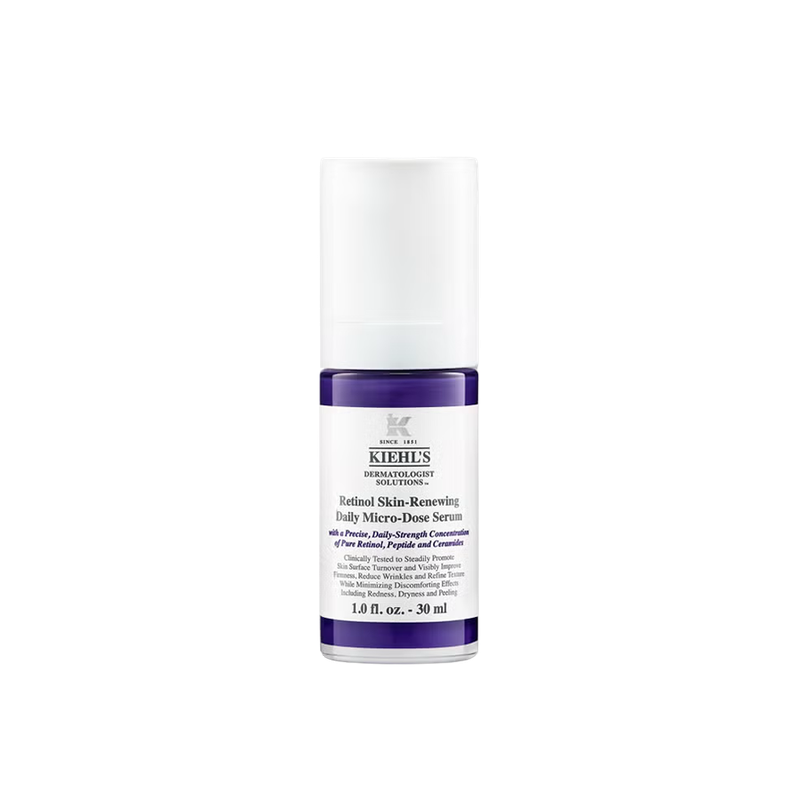
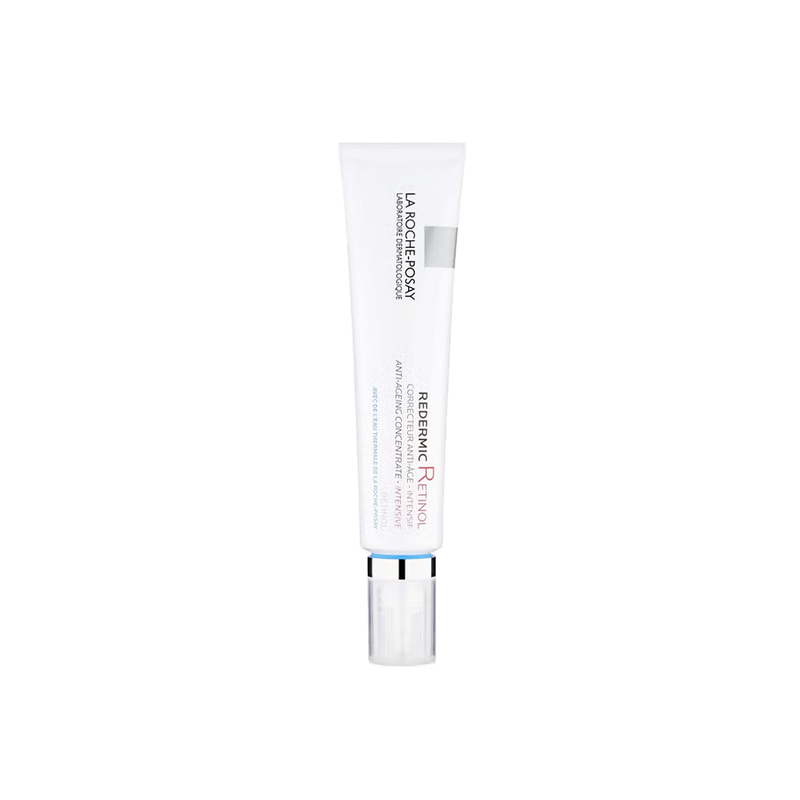
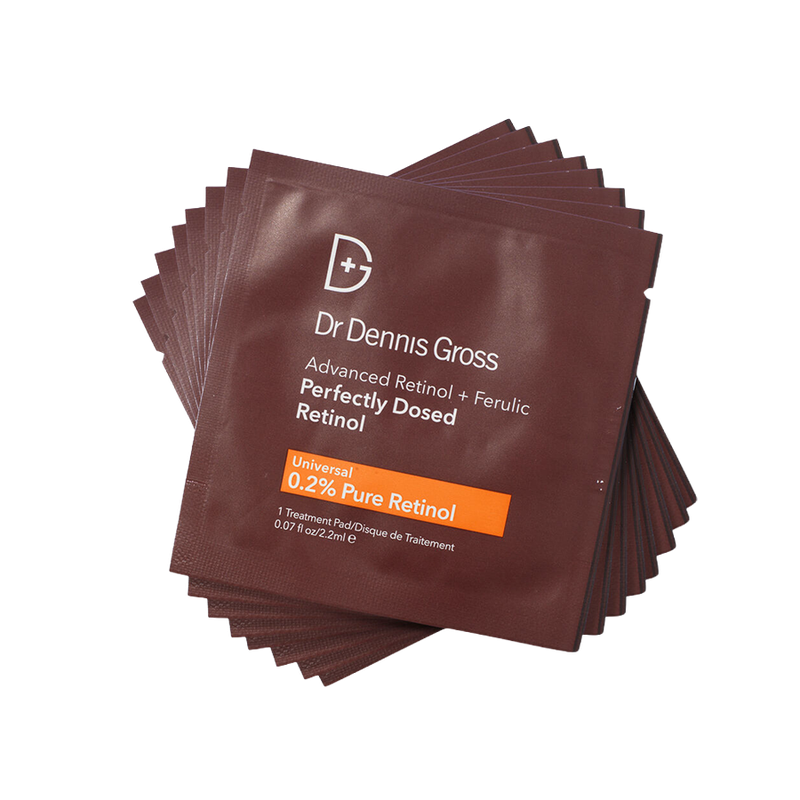
All products on this page have been selected by our editorial team, however we may make commission on some products.
DISCLAIMER: We endeavour to always credit the correct original source of every image we use. If you think a credit may be incorrect, please contact us at [email protected].
/https%3A%2F%2Fslman.com%2Fsites%2Fslman%2Ffiles%2Fwebsite-images%2F2026%2F10%2Fslman-full-bleed-reversed.jpg)
